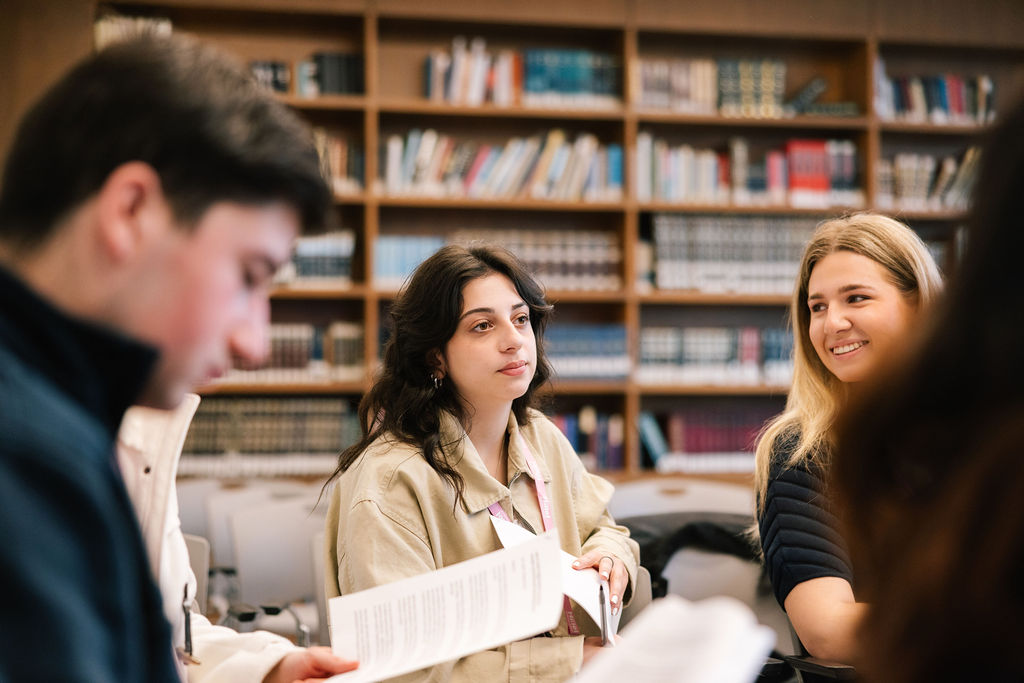
Highlights from Hillel Hanukkah Happenings
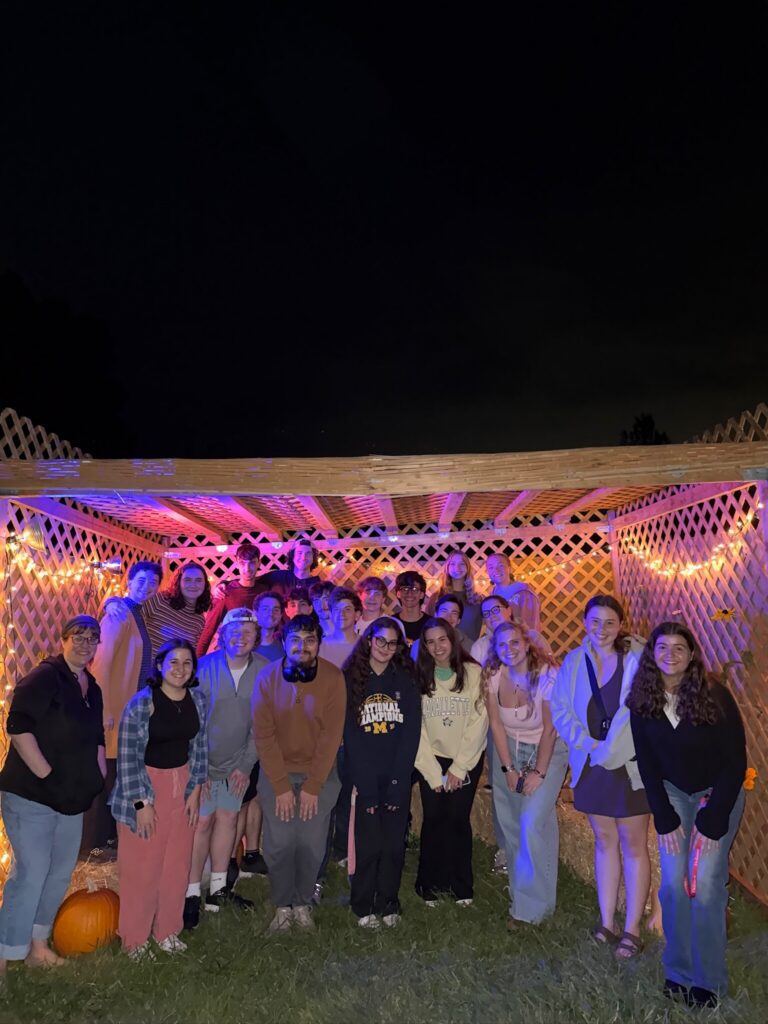
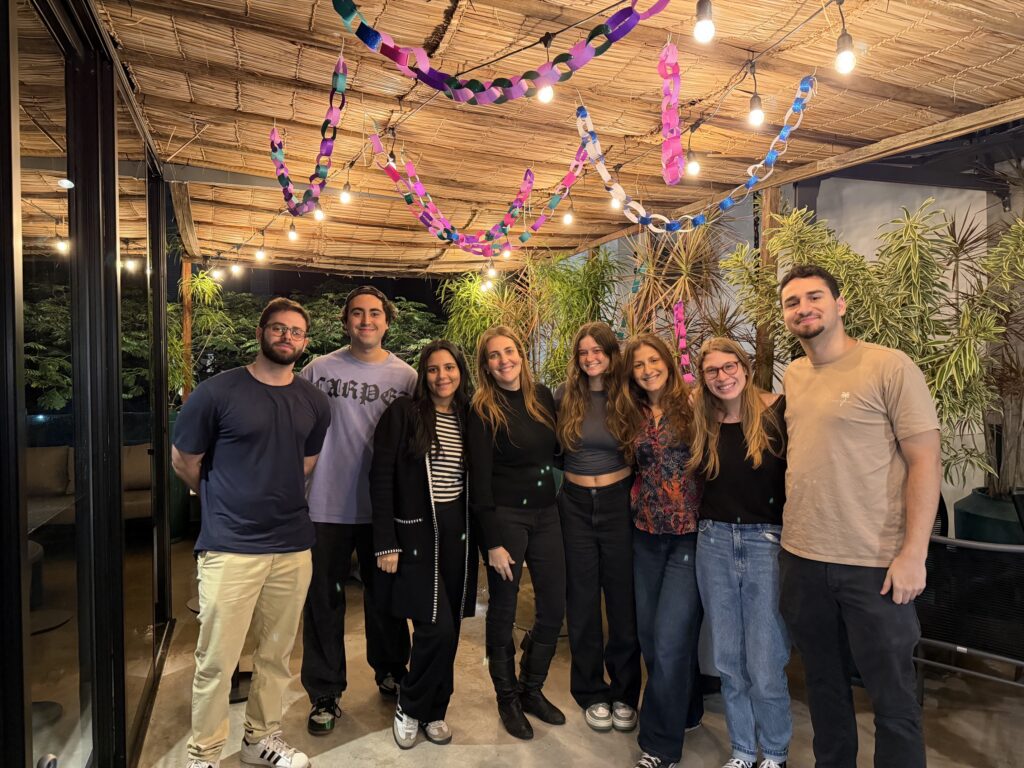
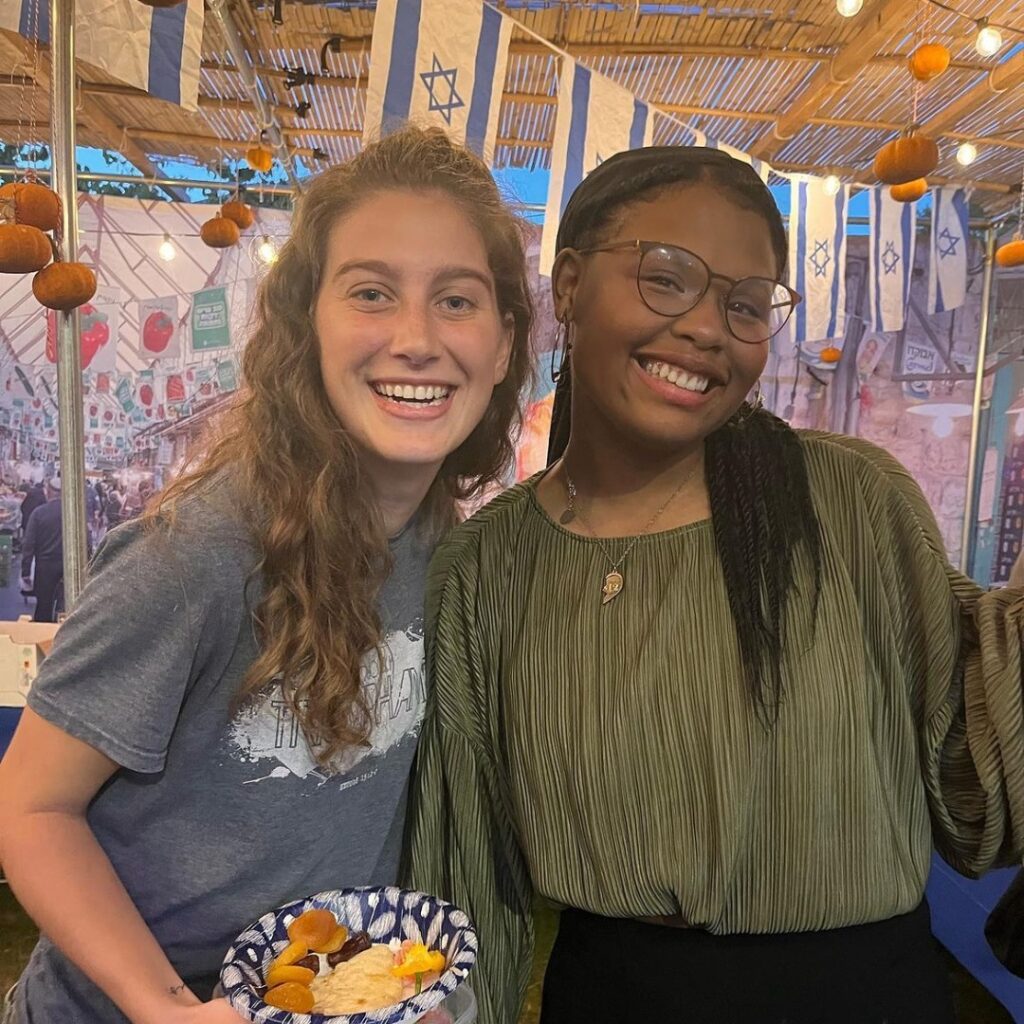
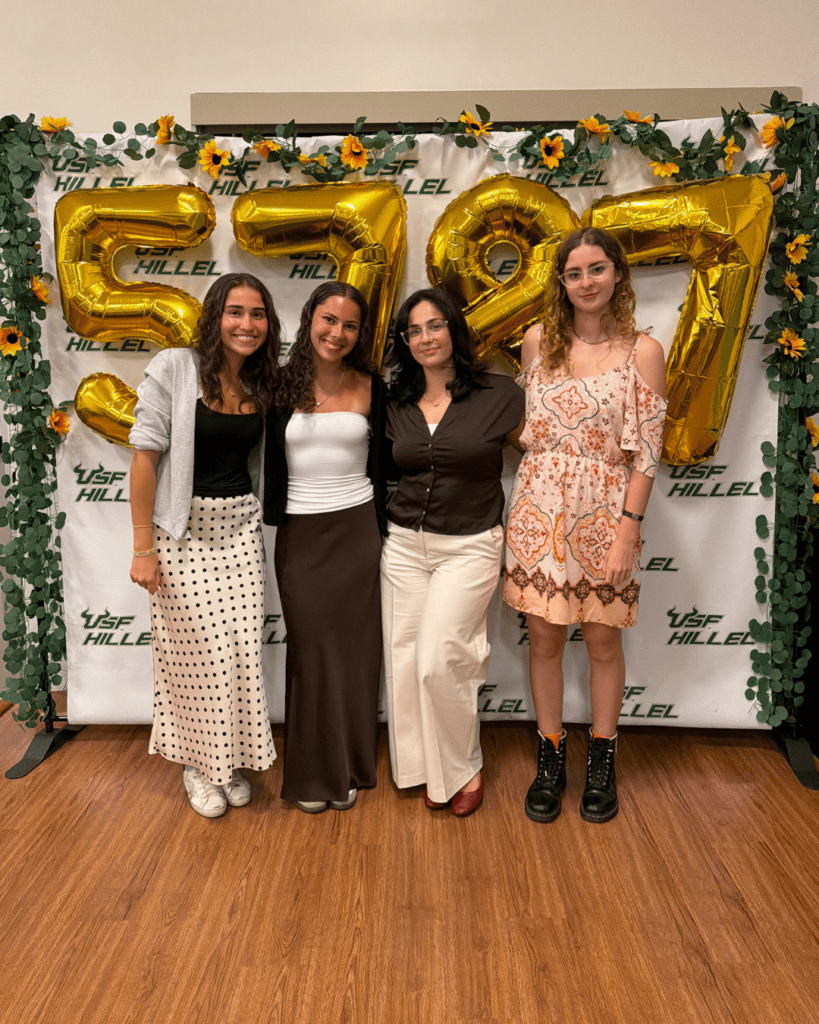
Here are just a few highlights from Hanukkah celebrations at campus Hillels this year.
Author
35 results
Here are just a few highlights from Hanukkah celebrations at campus Hillels this year.
Over the weekend, more than 300 Jewish college students attended a late-night Hanukkah Discotheque in New York City
1. Create a latke bar with different types of toppings and sauces. Offer classic toppings like sour cream and applesauce, but also include unique options like smoked salmon, avocado, and various flavored creams. 2. Hanukkah is all about light, so make that the focus of your decor. Combine candles, clear strung holiday lights, and even […]
During Hanukkah, our homes become microcosms of the Temple. For each of the 8 nights, we gather together, light candles, and eat foods fried in oil to remember this miracle. These acts of community and ritual strengthen our resolve to bring light into the world, and to celebrate our collective resilience and unity.
Sigd (pronounced sihgd with one syllable) is celebrated on the 29th of the Hebrew month of Cheshvan, exactly 50 days after Yom Kippur (this year it’s on November 19-20).
Last week, Hillel campus communities welcomed the festival of Sukkot, a holiday named for the structures (“sukkot” in Hebrew) that Jews have traditionally built to represent the temporary dwellings the Israelites lived in after their escape from Egypt.
Beginning five days after Yom Kippur, Sukkot is one of the three major holidays during the Jewish calendar (the other two are Passover and Shavuot). The word “Sukkot” means “booths” or “huts,” and refers to the structures many Jewish families and communities build to represent the temporary dwellings the Israelites lived in after their escape from Egypt.
Imagine taking 365 days of self-reflection, and compressing it into one, single day. That, in essence, is Yom Kippur.
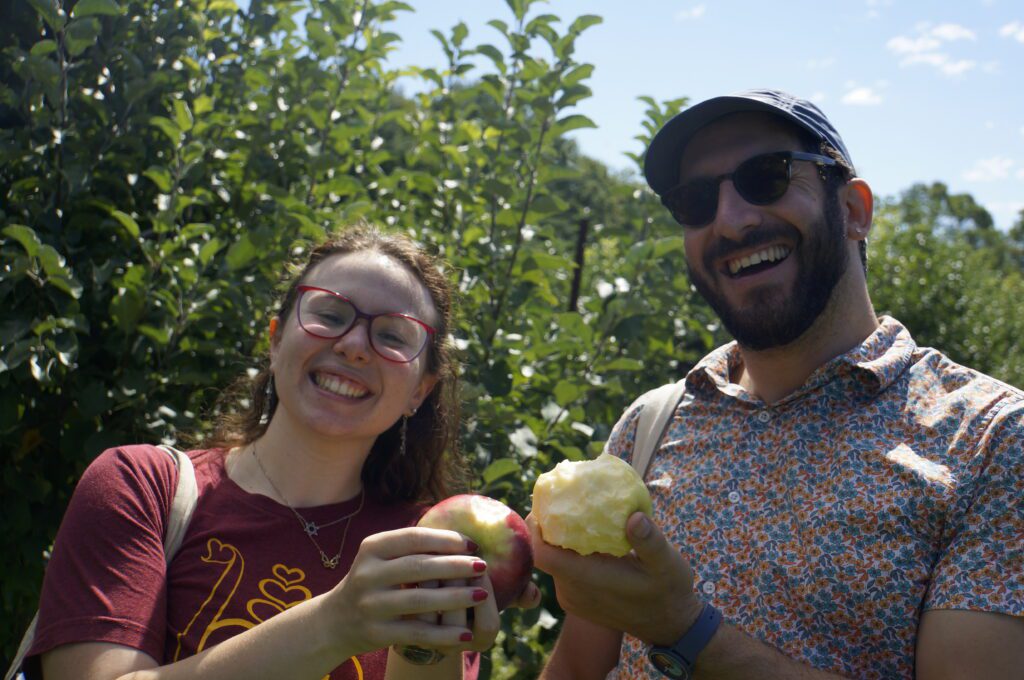
Every year, Jewish communities around the world celebrate Rosh Hashanah — the Jewish New Year. This is a time of year full of sweetness and joy, often represented by images of apples and honey and other delicious seasonal foods.
Rosh Hashanah marks the beginning of the Jewish calendar, which is entering the year 5784, and is celebrated as the Jewish New Year. The Jewish year begins in the fall with the month of Tishrei, and Rosh Hashanah occurs on the first and second days of the month of Tishrei.
Lorem ipsum dolor sit amet, consectetur adipiscing elit. Sit morbi nulla morbi arcu pellentesque phasellus a. Et odio sed adipiscing lorem orci purus ultrices nisi. Eget venenatis, elit, et massa eget adipiscing donec consequat.
Compare Colleges