Israel at Last: Building Friendships and Belonging Through Birthright Israel
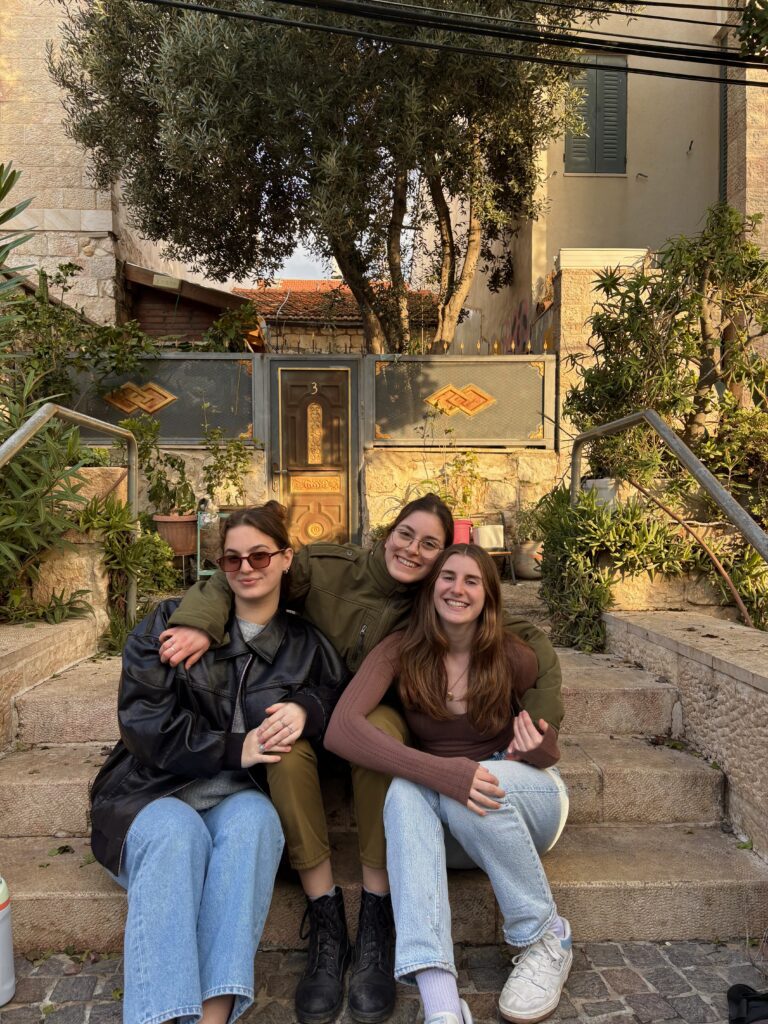
Kylie Miller is a fourth-year student at Roosevelt University, studying musical theater dance. She is president of Roosevelt Hillel and a member of the Hillel International Student Cabinet. Kylie recently traveled to Israel as part of a Birthright Israel trip organized by Hillel International. Here are her reflections from her trip:
I grew up with a strong Zionist identity, in a household and synagogue where Israel was always part of the conversation. From a young age, I heard about Birthright Israel trips and understood them as a meaningful opportunity to connect more deeply with our history, our people, and our land. Long before I ever applied, I knew that going to Israel through Birthright Israel was something I wanted for myself. And after many cancellations and uncertainties in the aftermath of October 7th, finally making that journey this winter felt especially powerful.
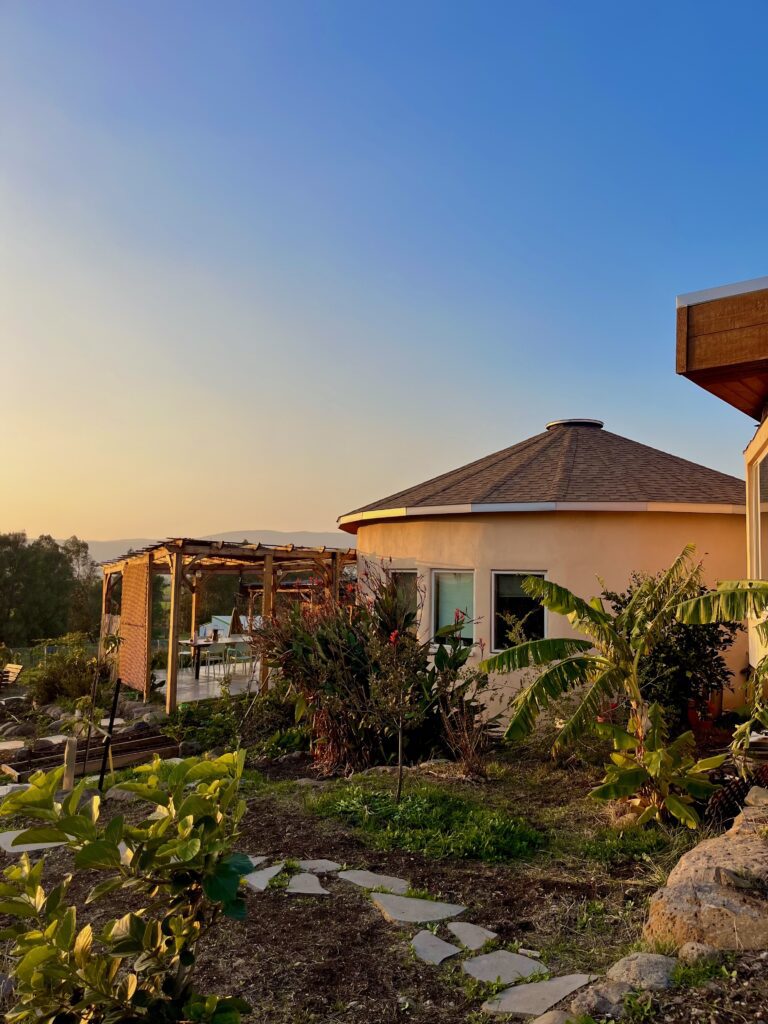
Though all 10 days of the trip were impactful, there were a couple of notable moments along the way. One of the most impactful moments of the trip was visiting Kibbutz Gonen, in Northern Israel, and spending time with resident Mayan Lesh and his family in their home, which they call the “House of Inspiration.” They welcomed our group inside, shared the story of building their home using environmentally friendly materials, and invited us to experience their space not as visitors, but as guests. While there, we learned about sustainable building practices, and even made our own small bottles of za’atar to take home.
Being welcomed into a family’s home, even briefly, was grounding. It reminded me that Israel is so much more than the historical sites or headlines — it’s people, families, and lived values. That sense of warmth and intentionality stayed with me long after we left, along with the za’atar I brought back to the United States.
Another defining part of the trip was the time we spent with the Israeli soldiers who joined our group. For five days, they traveled with us, through Tel Aviv for Shabbat, down south for a Bedouin tent experience, and eventually to Jerusalem. Some of my favorite memories of the entire trip came from conversations with them: talking about where they’re from, their military service, their friendships, and their hopes for the future. They became more than people accompanying us, they became friends.
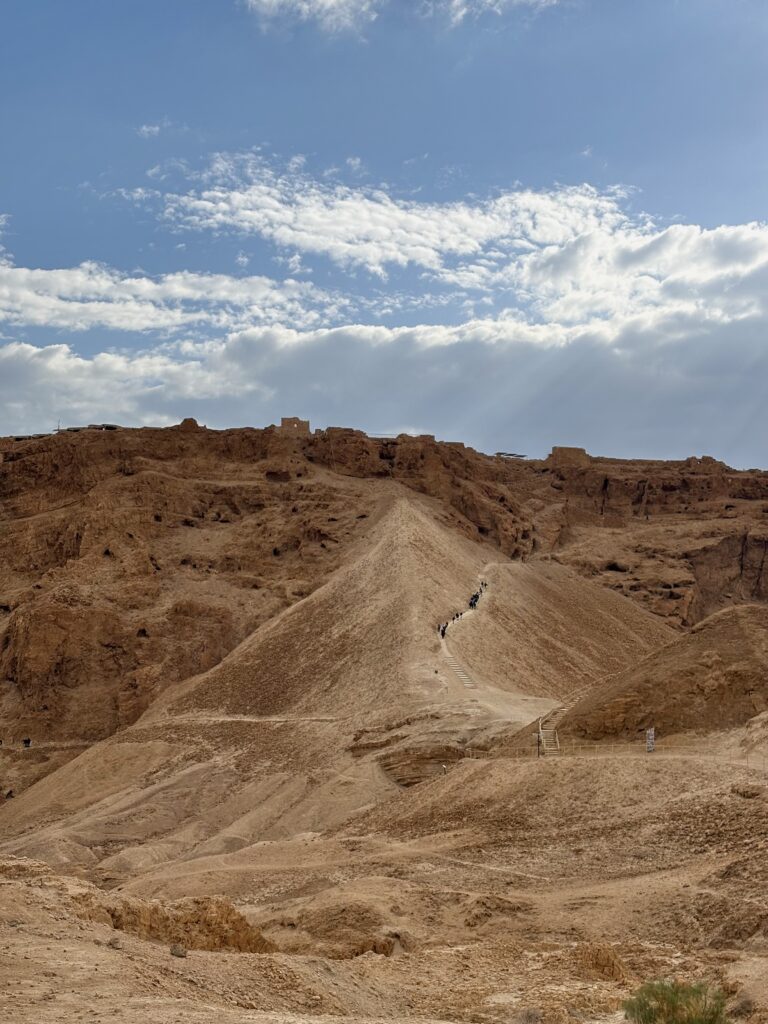
Another moment that stayed with me was our visit to Masada. I had been there once before, but this time felt completely different. As we explored the fortress, our tour guide, Talia, brought history to life by sharing the story of Masada throughout our journey. Standing at the top, looking out over the desert, and even seeing a rainbow stretch across the sky was unexpectedly powerful. The combination of physical effort, storytelling, and shared experience made Masada feel less like a historical site and more like a moment of connection with both the past and the present.
Similarly, our visit to Yad Vashem, the World Holocaust Remembrance Center, was a deeply meaningful experience. I grew up in the Washington, D.C. area and visited the Holocaust Museum there often, so I thought I knew what to expect. But Yad Vashem was different. The structure of the museum, the way the tragedy of the story unfolded, and the emotional weight of walking through it were unlike anything I had experienced before.
Our tour lasted several hours and began outside, among trees planted in honor of those who risked their lives to save Jews during the Holocaust. Throughout the entire museum, the roof had a strip of glass that allowed you to see the trees at any moment if you simply looked up. Our guide told us this was meant to serve as a reminder of the incredible people who helped the Jews escape, as you were seeing that garden memorializing those brave people. Having that glimmer of hope, if you ever needed a breather from the intensity, was a beautiful touch. Inside, the exhibits pulled me into the historical reality and the emotional impact of the Shoah in a way that felt deeply personal. Even with my prior knowledge, the experience challenged and moved me, reminding me why memory, education, and responsibility are so central to Jewish life.
After years of waiting and uncertainty, this Birthright trip felt like coming home. Returning to Israel — especially in this moment — deepened my sense of responsibility to Jewish peoplehood and leadership. As a member of the Hillel International Student Cabinet, I’m carrying these experiences back to campus with me, using what I learned about connection, resilience, and community to help strengthen Jewish life for my peers. This trip shaped how I see Israel and Jewish identity, and will no doubt influence how I show up as a Jewish leader.