Inspired by Jewish Women Past and Present
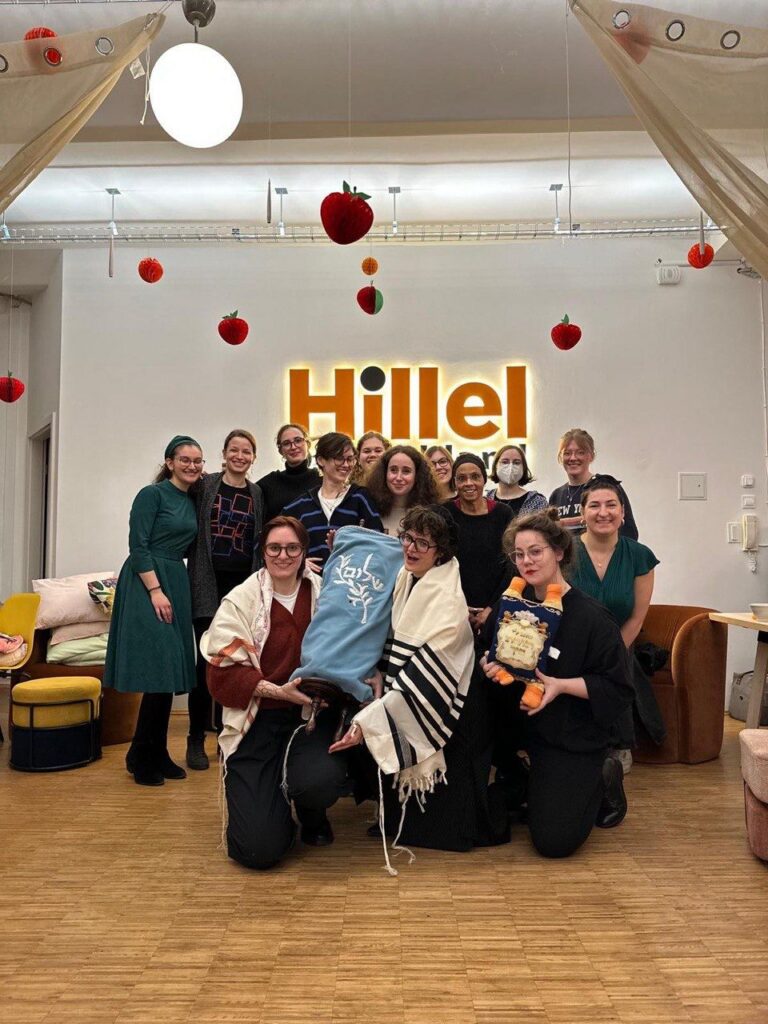
Elina Shikher is a student at the University of Potsdam and a member of the Hillel International Student Cabinet. In honor of International Women’s Day and Women’s History Month, Elina shared her inspiration for creating unique spaces for Jewish women through her involvement with Hillel Deutschland.
“God has placed abilities and callings in our hearts, without regard to gender.”
— Rabbi Regina Jonas, Central-Verein-Zeitung, June 23, 1938
Regina Jonas was the first modern woman to become a rabbi. And every time I walk to the Hillel building in Berlin, I walk past a street named for her.
Born in Berlin in 1902, Jonas grew up in a strictly religious family in Germany and studied to become a religious education teacher. But Jonas wanted more. She was determined to become a rabbi, a role that, until then, had been reserved only for men. When the Nazis came to power, Jonas’ work became increasingly difficult. Still, she refused to give up on her dream. In 1935, Rabbi Max Dienemann gave Jonas her oral exam and ordained her as a rabbi.
Rabbi Jonas continued her work even after being deported to concentration camp Theresienstadt during the Holocaust, where she preached sermons and provided pastoral care to fellow prisoners. She was murdered in October 1944 at Auschwitz. After the Shoah, Rabbi Jonas’ name largely faded from memory. It was only after German reunification that her writings were rediscovered and published. And in December 2025, a street in Berlin was named after her.
Every time I see her name on that sign, I feel a sense of awe. I am reminded that the spaces we gather in today, at Hillel and elsewhere as Jews, would not exist without women like Regina. Her service to her community made it possible for me, a Jewish woman in modern Berlin, to have a Jewish space where women are called up to read the Torah, lead services, and study Talmud.
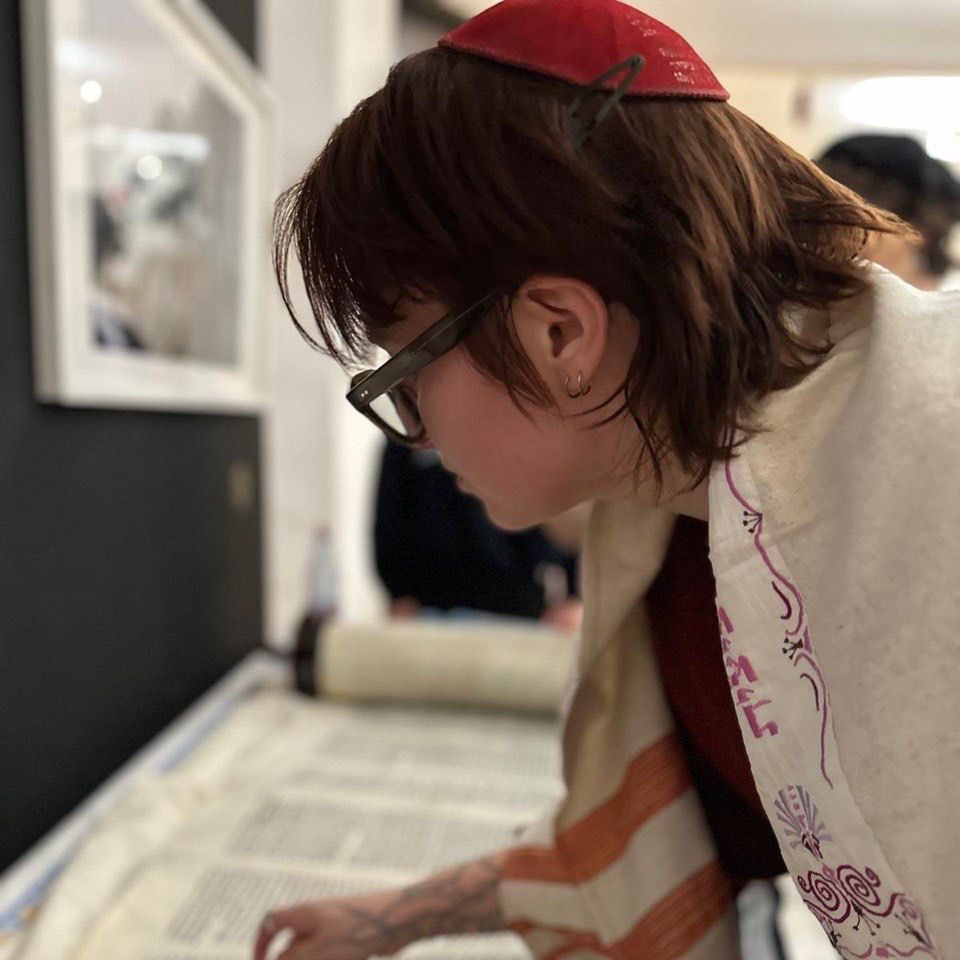
But even more than that, Rabbi Jonas lay the groundwork for a community where my friends and I find sisterhood, and a safe environment to explore what Judaism means to us.
At Hillel Germany, we regularly host FLINTA* events including Shabbats, brunches, and learning gatherings. (FLINTA is a German abbreviation meaning women, lesbians, intersex, nonbinary, trans, and agender people. The asterisk represents all nonbinary gender identities and explicitly includes queer individuals.) We come together to learn with and from each other, to discuss everything from university policies to our favorite books, and to enjoy each other’s company in an environment that feels intentional and supportive.
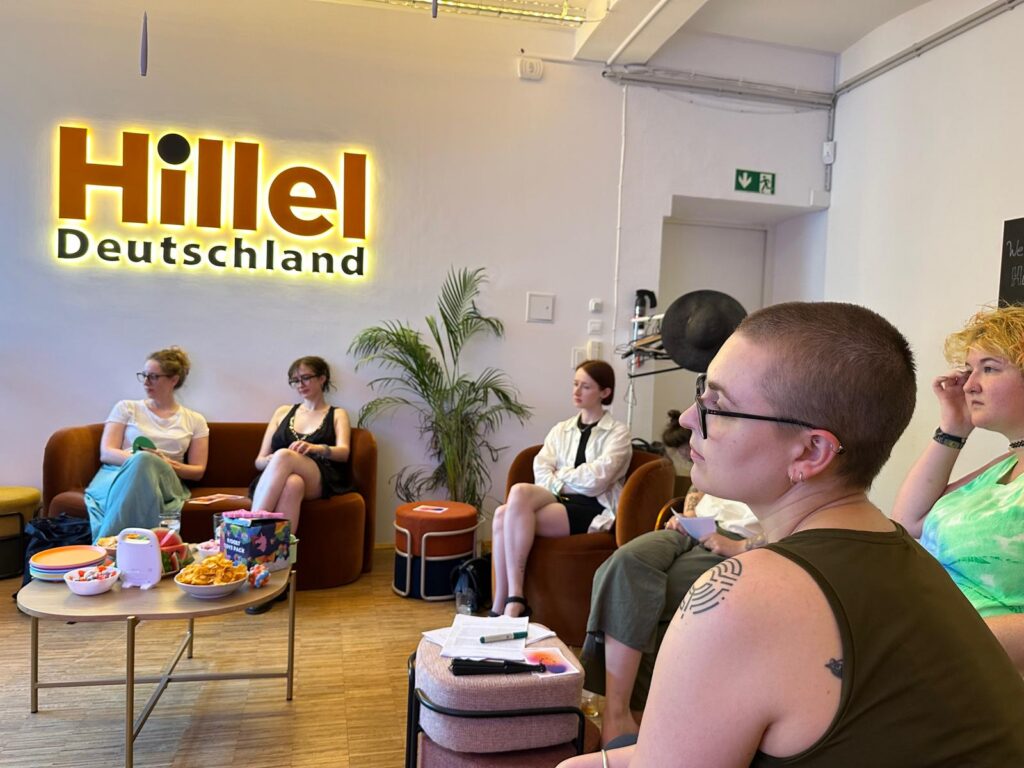
At one of our recent FLINTA network brunches, we invited inspiring speakers — psychologists, activists, and Jewish theology students — who spoke about resilience, Jewish philosophy, queerness in Judaism, and how we can embrace all voices in Jewish spaces to make them more inclusive. It was truly inspiring and empowering to witness these conversations unfold.
At another Shabbat program, my colleague and I created a fun quiz highlighting remarkable Jewish FLINTA figures. We shared lesser-known facts and invited everyone to guess who we were describing.
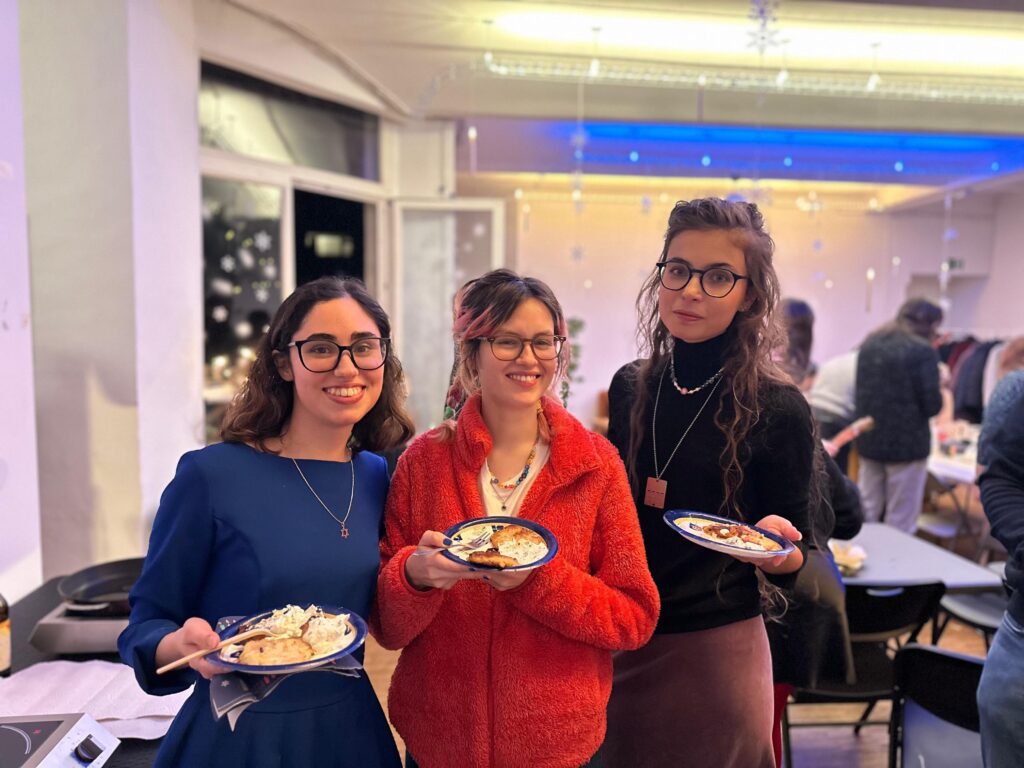
Of course, we included Rabbi Regina Jonas, focusing on details many people may not know, such as how she made intentional choices to always assert her own identity with pride and joy. .
Sometimes I wonder what Rabbi Jonas would think if she could see us now. Women leading the Friday night prayers of kabbalat Shabbat in Berlin. Jewish students studying together and debating Jewish philosophy over brunch. Jewish women laughing, questioning, and building community.
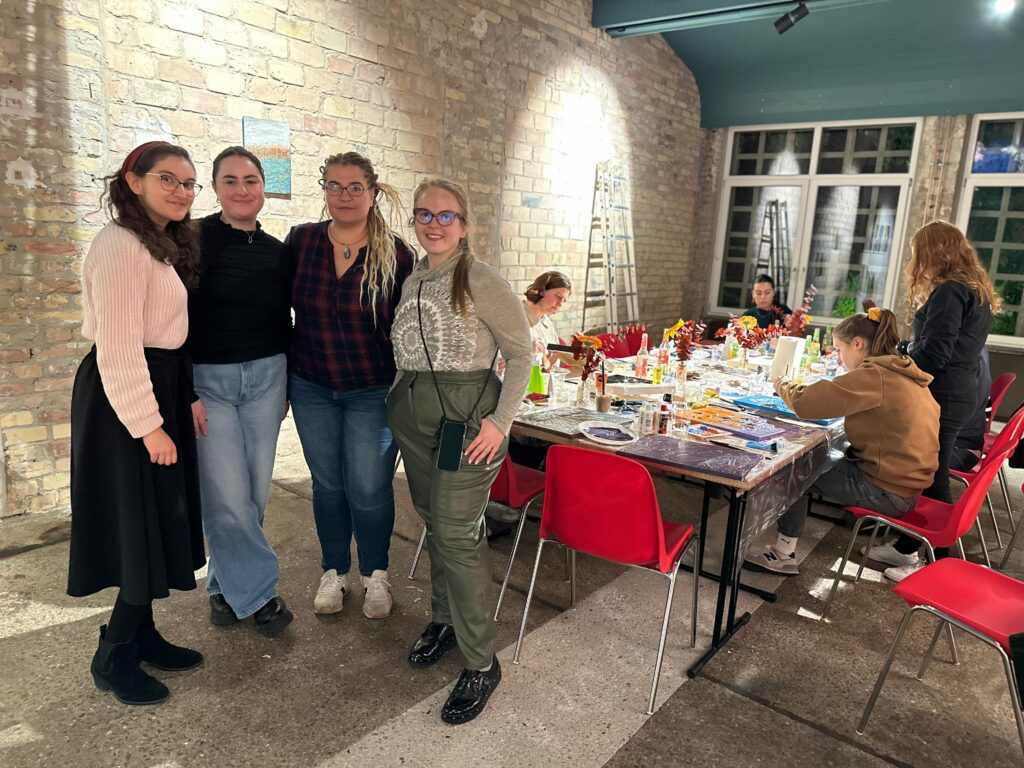
For me, being a Jewish woman in Berlin today means being part of a Hillel community where my questions, my doubts, and my voice are valued. It means knowing that the spaces I move through so naturally today have been fought for by generations of Jewish women.
And it means continuing to create Jewish spaces where all voices belong and can help shape the future.