All Who Are Hungry, Come and Eat: Kosher Turkeys Bring Sustenance and Belonging to Jewish Students at Hunter College
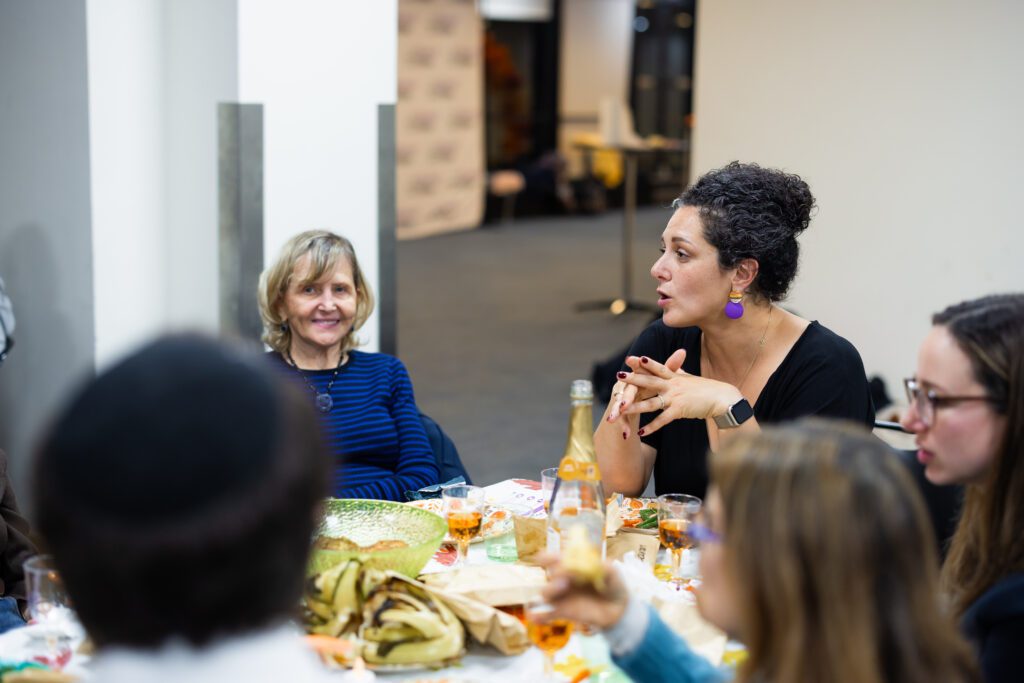
Heading into Thanksgiving, I’m thinking about a Jewish text I turn to over and over again. It comes from Pirkei Avot (Ethics of the Fathers), and goes like this: “Without bread, there is no Torah; without Torah, there is no bread.”
In my work as executive director at Rita Levine Rabin Hillel at Hunter College, this is a teaching I think about every single day, as many of our students come to campus hungry or uncertain about where their next meal will come from. In fact, a 2019 study from the UJA-Federation of New York found that more than 40% of Jewish CUNY students report some level of food insecurity.
How can our students learn if they’re hungry? How can they thrive if they don’t know where or when they’ll have their next meal? How can they discover who they are, find their passions, and become the next generation of Jewish leaders if they’re worried about meeting their basic daily needs?
At Hunter Hillel, we have made this teaching the center of our work. We show up to be the people taking care of these students, and to meet as many of their needs as we can, including through our digital kosher food pantry, which gives students access to fresh, nutritious, kosher meals.
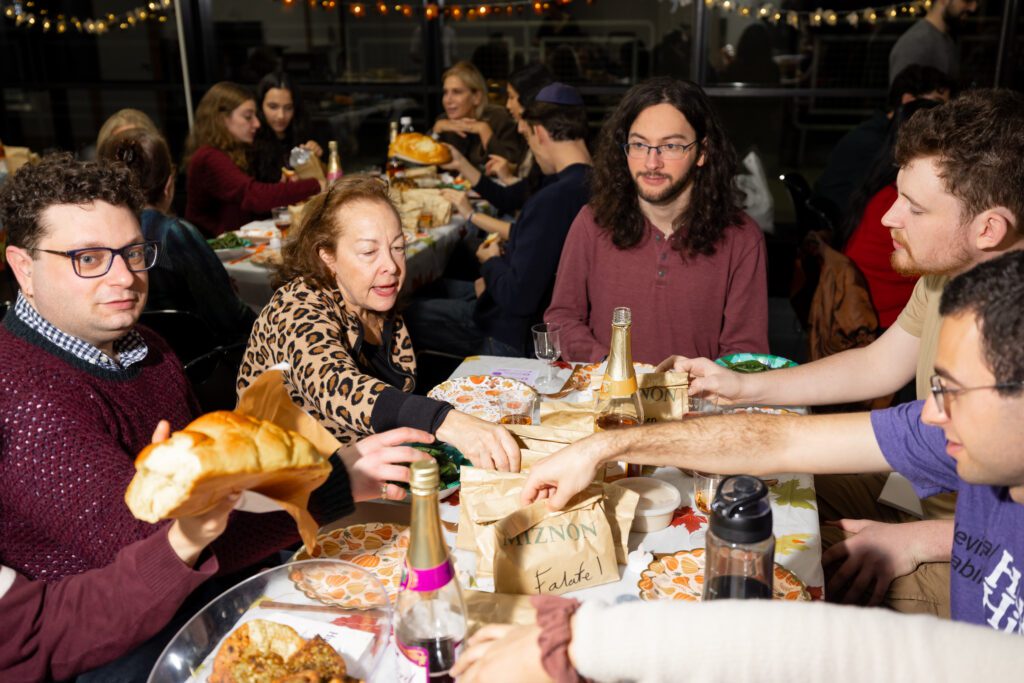
In partnership with the Met Council, the largest Jewish charity dedicated to fighting poverty, we provide a stigma-free way for students to get the nourishment they need; students submit a confidential request, then they receive food through an easy pickup system.
Every time I meet with a student, the question I’m always keeping in the back of my mind is, “What is the sustenance that you need?” Sometimes it’s quite literally sustenance for their bodies. But sometimes it’s sustenance for their hearts — a place to be where they know they’re safe and welcomed. And sometimes it’s sustenance for their minds, to talk through the stress of an upcoming exam. In that teaching from Pirkei Avot, the word “kemach” is translated to mean bread or flour, but it’s also sometimes translated as sustenance — and that’s the spirit of my interpretation of what we, as Hillel professionals, provide.
Many of our students come from cultures where pride and self-sufficiency are incredibly important to them, so it takes a lot of individual outreach and follow-up to bring those students to a place where they feel comfortable admitting they need help, particularly with food insecurity. Even if they know they do need help, they’re more likely to insist that our support would be better off given to someone else.
It might take me 10 asks or meetings to move a student from insisting that everything is fine to being able to open up about their needs — but during each of those conversations, I can make sure they have a sandwich, coffee, and some water – and they know that I’m a safe person they can come to, no matter how long it takes.
So when our friends at Hunter College Student Life and Student Affairs started planning to give away turkeys for Thanksgiving, I asked whether they would have kosher turkeys. It turned out they were having trouble finding kosher turkeys, — but we drew on our amazing partnership with the Met Council through the UJA Federation to make sure kosher turkeys would be available. Now, our Jewish students will be able to take home turkey to enjoy with their families from the general student community pantry and fridge.
That inclusion of kosher food into the mainstream student pantry was about more than the turkeys themselves — but about belonging. Jewish students whose cultures make it difficult to ask for help can access this resource without standing out. Non-Jewish students will see the kosher symbol, and maybe they’ll ask questions, or learn more about what kosher food means. Creating that conversation and that familiarity normalizes the inclusion of Jews and Jewish practices in their world. That, in turn, fosters the belonging that our students are seeking as they move through their time at Hunter.
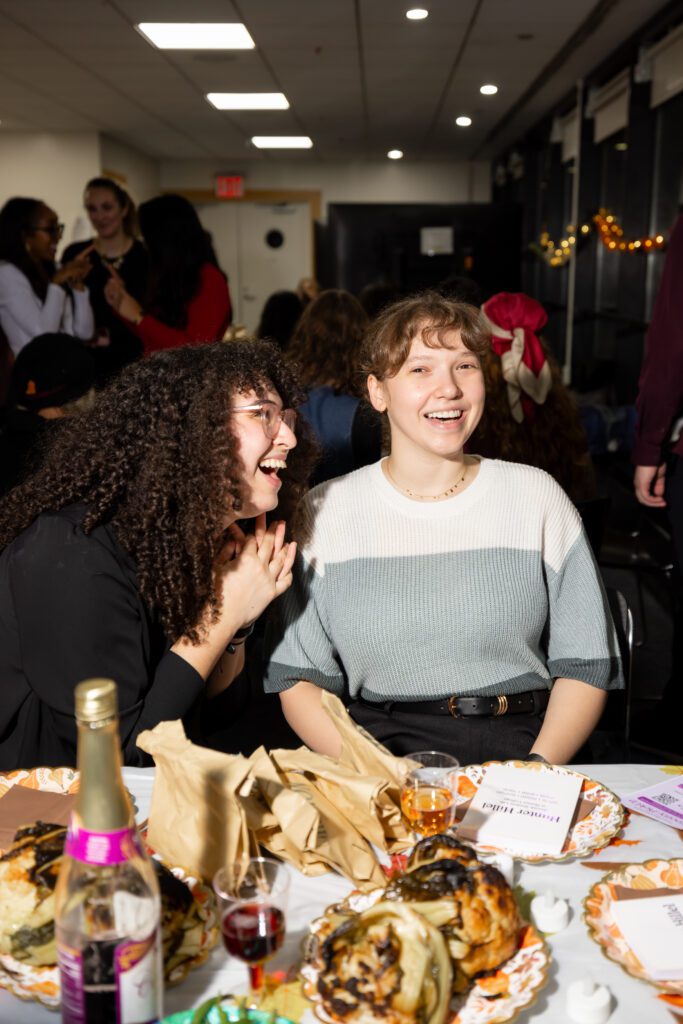
Through it all, we hold onto the belief that the experience of being Jewish should be joyful. For us, at Hillel at Hunter, that means supporting our students to not just be secure, but to help make sure that they have the ability to fully take part in the experiences that every student should have.
Part of building a joyful Jewish community is sustaining one another: in our hearts, in our minds, in our spirits, and yes, in our bodies, too. Experiencing joy — in Jewish community, and everywhere else — is how we care for ourselves and others. What could be more important than that?