Creating a Ritual Toolkit to Support Students Through Challenges and Joy
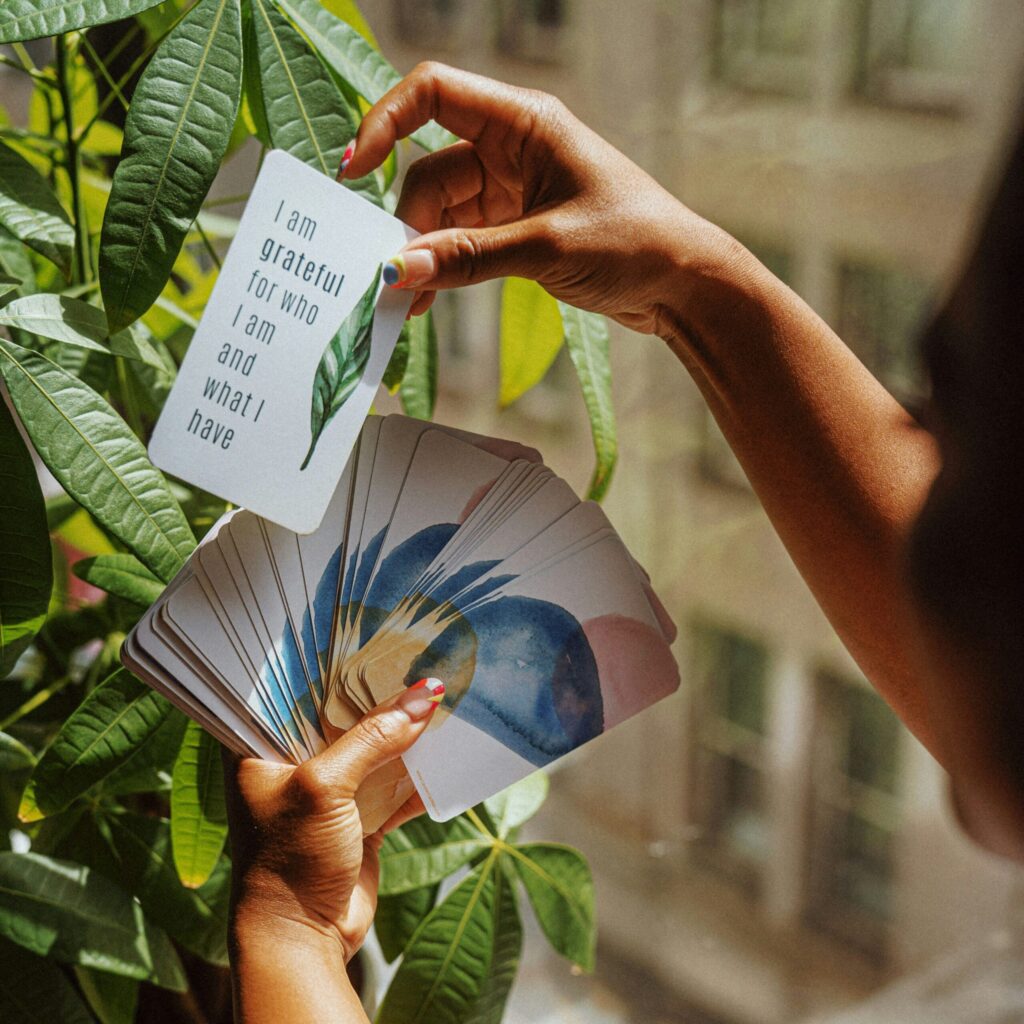
As Jewish students return to campus this semester, many of them are carrying joy, stress, grief, hope, and uncertainty — often all at once. And as Hillel professionals, we are often called to support students through these moments, not by fixing what’s hard, but by helping them feel like they belong and they are cared for.
Jewish ritual offers a powerful framework for this work: it gives shape to complex emotions, creates a time to pause during moments of intensity, and helps students navigate transitions with intention. By building flexible ritual “toolkits” — collections of practices, objects, and approaches we can adapt as needed — we are able to respond creatively to both joyful and challenging moments, supporting students’ mental health and well-being in ways that are deeply Jewish and deeply human.
In the fall, I had the chance to bring my ritual toolkit to the table during a campus tashlich ritual I was leading for students. We planned to walk together to a creek at night, journal, and meditate at picnic tables, then cast stones and leaves into the water as a way of letting go. But just before we left, it began to rain. No one was walking to a dark creek in stormy weather.
Ritual educator Rabbi Marcia Prager teaches that “ritual doesn’t mark change; it makes change.” Jewish ritual helps us name what we are experiencing and move through it — especially in moments of emotional intensity. Rituals externalize what’s happening inside us through water, words, light, movement, and sound. For students navigating stress, grief, anxiety, and uncertainty, rooting those emotions in an external ritual can help center and anchor them.
Some rituals are also meant to be repeated. They draw strength from tradition and memory. But even though repetition can be challenging when circumstances force change, Jewish students continue to seek out rituals, both ancient and modern, to help process change and challenge.
Back on campus, I pivoted. I remembered that I had dissolving paper in my office — one of my favorite ritual tools. My colleague filled a bucket with water. I laid a mandala tapestry on the floor, placed the bucket in the center, circled the chairs around it, dimmed the lights, and added jars of twinkle lights. It wasn’t the creek at night. But it was beautiful.
We sang a niggun, a song without words. I led the same guided meditation and journaling I had prepared. Then I passed out the dissolving paper. Students wrote down what they wanted to release — intrusive thoughts, self-doubt, beliefs that were weighing them down. We sang again, took a collective breath, tore the paper, and dropped it into the water.
As the words dissolved, silence fell. Some students cried. Watching the negative thoughts that no longer served them disappear felt deeply healing. We walked outside together in the rain and poured the water onto the grass, laughing as rain mixed with tears — a release and a renewal.
In our debrief, we talked about water in Jewish traditions such as tashlich and mikvah, of letting go and beginning again. Like the many Jewish leaders and thinkers before us, the rainy weather we encountered made space for innovation. Once I let go of what was “supposed” to happen, the ritual became something new and deeply supportive for students’ emotional well-being.
Having dissolving paper on hand made a difference. After all, when we equip ourselves with flexible ritual resources, we can respond creatively to students’ mental health and spiritual needs in real time.
Havdalah is another powerful ritual I have turned to, especially in moments when students are holding both joy and sorrow. Havdalah is a ritual of transition — a bittersweet goodbye that honors what was sacred while helping us step forward. It engages all five senses, through the touch and the light of the candle, the smell of the spices, the sound of the prayers,and the taste of the grape juice or wine. It grounds us in our bodies and helps us tolerate complexity. Even the braided candle teaches us to hold multiple experiences at once, as it twines together many strands of wax into one brighter light.
After Simchat Torah this past fall, I brought a Havdalah candle into a student space to talk about the return of the living hostages in Israel — joy woven together with grief for those who did not return alive. We created a paper weave, writing words and feelings on strips of paper and braiding them together. “Why can’t I trust this peace?” one student wrote. “Relief riding grief,” wrote another. The woven paper mirrored the candle and the emotional reality students were carrying.
Ritual, a powerful spiritual technology, gave these students the space to process complex emotions – and Hillel professionals have the privilege to incorporate ritual for reflection, connection, and healing. Sometimes that means innovating when plans fall apart. Sometimes it means expanding an existing ritual with a new element. And sometimes it means keeping a well-stocked ritual toolkit so we’re ready to react quickly when students bring us their most joyful and their hardest moments.
A Ritual Toolkit for Navigating Joy and Challenge
Created by Rabbi Heather
Rabbi Heather Paul is the campus rabbi and senior Jewish educator at Hillel at the University of Illinois Urbana-Champaign.