Hillel Asks the Experts: Navigating Antisemitism on Campus
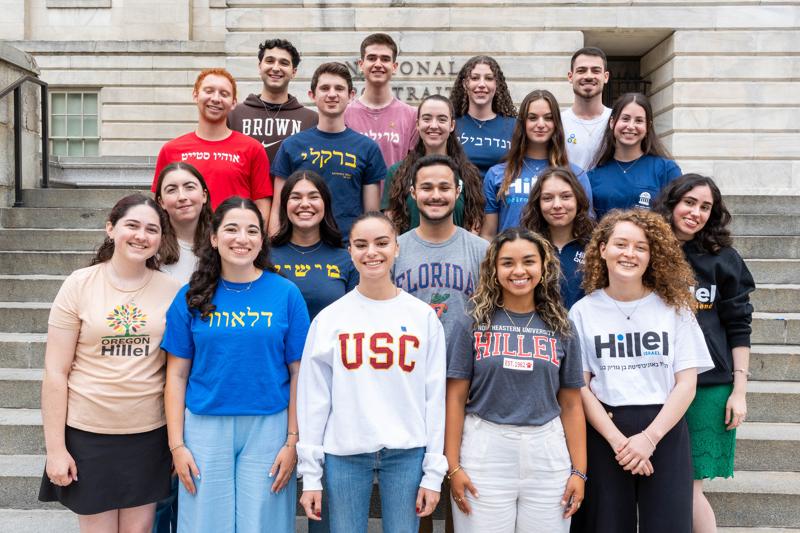
Over the past three years, more than 200,000 Jewish students and young adults have participated in Hillel programs and relationships, from leading Shabbat meals and activities to organizing holiday celebrations to attending leadership programs and joining volunteer service opportunities.
At the same time, antisemitic incidents on college campuses in the United States. and Canada have reached alarmingly high rates following the October 7, 2023 attacks — the highest in history. While vandalism and physical assaults are down significantly this academic year, many prospective Jewish college students and their families are still apprehensive about their upcoming college experience.
As high school students and their families navigate the college search process, Hillel International is committed to ensuring you have the information you need about what Jewish life on campus is like right now and all the ways Hillel is helping students navigate the changing environment. The latest installment of Hillel International’s Virtual College Prep Series, “College Prep: Navigating Antisemitism on Campus” does exactly that. Here are five top takeaways from this session, offered by our community of experts!
1. Some of the most important work in combating antisemitism and changing campus climate happens behind the scenes.
One of the clear takeaways in the aftermath of October 7 and the immediate swell of antisemitic activity was that many colleges and universities didn’t have clear systems or mechanisms for enforcing the policies designed to keep their students safe. To address the issue, Hillel International expanded existing education and training programs for campus administrators and staff and launched new programs to meet the moment.
“We’ve now trained more than 3,000 [administrators] on the nature of contemporary antisemitism,” said Adam Lehman, president and CEO of Hillel International, in remarks during the session. “We’ve worked with them on how they can improve their policies around time, place, and manner restrictions for protest activity, disciplinary consistency… and also providing that education for professionals and students.”
. “One of the things that we did is we went out and educated universities to really understand their own rules and how to enforce rules,” added Jon Falk, vice president for Israel Engagement and Confronting Antisemitism. “[It has] also been vitally important when it comes [to educating]students in student government, fraternities and sororities… about antisemitism, but also teaching them about Jews, right? It’s really important to teach people who Jews are.”
Students feel the impact of these trainings over time, and having clearer policies and procedures for enforcement is making a difference in the amount of antisemitic incidents on campuses across the country.
2. Take a holistic view of each campus you’re considering — sometimes campuses that made the biggest headlines for antisemitic incidents also have some of the most vibrant Jewish communities.
“Take a college tour and really talk to people about what’s going on” is one of our most frequently repeated tips on these webinars — but there’s a reason for it!
There are Hillel communities, Falk said, that his team has supported through numerous incidents, but the amount of Jewish programs they offer far exceeds those incidents. For example, Falk noted that some campus Hillels have one hundred times as many students at Shabbat dinner as they do students who have experienced an antisemitic incident. He reiterated the importance of looking at the entire campus experience, and thinking about the overall community each student is looking for.
Sophie Kalmin, a fourth-year student at Emory University who serves as the president of Emory Hillel as well as a representative to Hillel International’s Israel Leadership Network, agreed. “Don’t let a headline or a social media post you saw about a school intimidate you from applying there,” she said.
3. Hillel professionals aren’t your only resources on campus: There are student leaders at every level of the Hillel community who have your back.
Campus Hillel professionals make a difference every single day in supporting Jewish students on campus, and they work in partnership with more than 10,000 students engaging in active leadership roles — on campus, at the regional level, and even on the national level.
“[These students are] enthusiastic, they have energy, they’re committed, and they care about what’s inspiring to them and about inspiring each other. We’re seeing more and more students raise their hands. They want to lead, they want Hillel as their place for leadership,” said Jillian Juni, executive director at Syracuse Hillel. “ They see the value in what Hillel has to offer, and they’re able to articulate that value — to stakeholders, to their peers, to each other, and to prospective students.”
4. Forming your own opinions through real-life experience is important for students and parents.
One of the things that makes college so unique is that campus environments are always changing. Often, a school’s past track record of antisemitic incidents or insufficient administrative response is not indicative of what it will be like in the future – or even the reality today.
Rather than relying on past years’ incidents, Rabbi Kenny Weiss, executive director of Houston Hillel, and the other panelists emphasized the importance of building joyful Jewish communities in the here and now. By taking that approach, Weiss says, “ [The] energy has actually been funneled into creating a more vibrant Jewish life on our campuses.”
Taking it a step further, Juni shared that it’s not just important for students (and parents) to form their own opinions about their campus environments, but to do so in real life — outside of what they read online. “We’re always encouraging students… to just spend more time with people,” she said. “Spend less time on social media, helping them develop their skills to think critically, [and] engage in conversations with their peers and their teachers.”
One great Hillel resource to support students in building those skills and feeling more confident exploring those conversations is Campus For All, an award winning, one-stop-shop for educating and empowering Jewish college students to build safer, more welcoming campus communities.
5. Don’t let fear define your college journey. No matter what, Hillel will be there for you.
At the end of the day, students must decide for themselves what role a school’s historic approach to antisemitism or prevalence of incidents plays in their decision. What’s most important, said Kalmin, is putting what you want from your college experience ahead of the what-ifs.
“Don’t let your detractors, don’t let your worst fears determine what these four years are going to be like for you,” she said, recounting that much of her college experience has been shaped by the environment on campus after October 7, when she was a second-year student. “I’ve had lots of really hard moments at Emory because of anti-Israel advocacy, because of antisemitism, but I learned so much… I had the support from Hillel… and it’s really shaped me to be who I am. It brought me here.”
“The one thing I’ve seen more than any… is that [Jewish students] continue to come to Hillel,” Falk said. “You would assume, oh, antisemitism is on the rise, I’m going to go hide in my dorm. We’re seeing the opposite, right? They’re coming to Hillel. They’re doubling down on Jewish life.”
And no matter what else is happening, on campus or off, Hillel will be there to help them find joy and belonging.
For all the insights and takeaways from our student and professional panelists, check out the full webinar recording. Good luck to all prospective students and families — and if you have any questions, Hillel is always here to help!