Top Five Moments from the 2026 Israel Summit
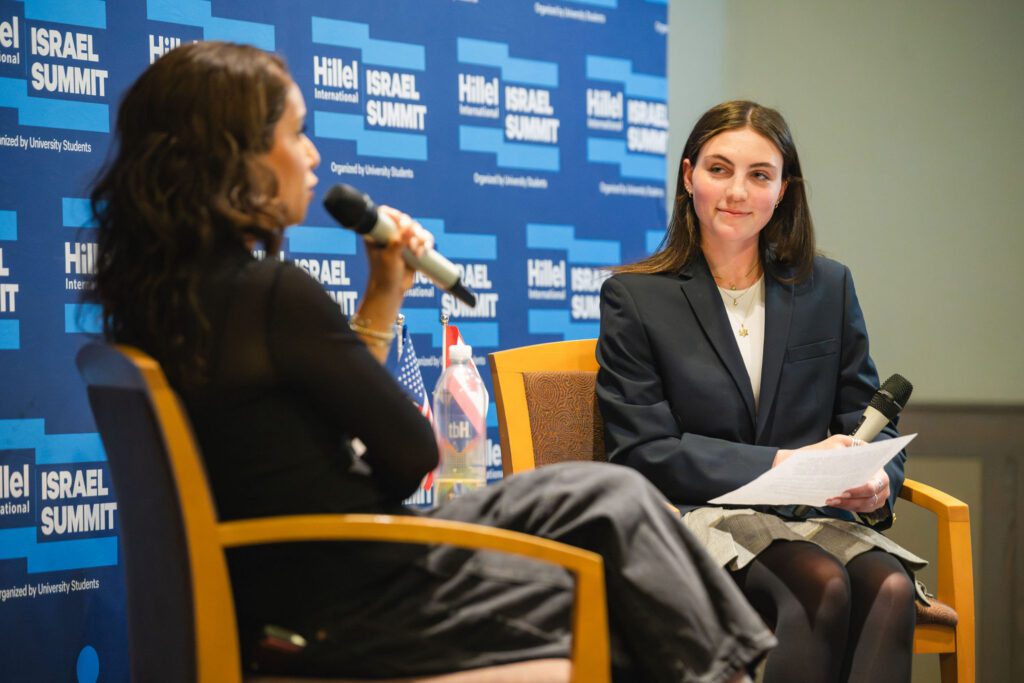
This past weekend, more than 150 Jewish student leaders representing over 150 campuses across North America gathered at the University of Pennsylvania for the eighth annual Hillel International Israel Summit.
“Penn Hillel is honored to be hosting the Israel Summit this year, said Rabbi Gabe Greenberg, executive director of Penn Hillel. “The Israel Leadership Network has been a source of great leadership development for many of our own students over the years, and we are excited to be able to participate in the summit in a more active way.”
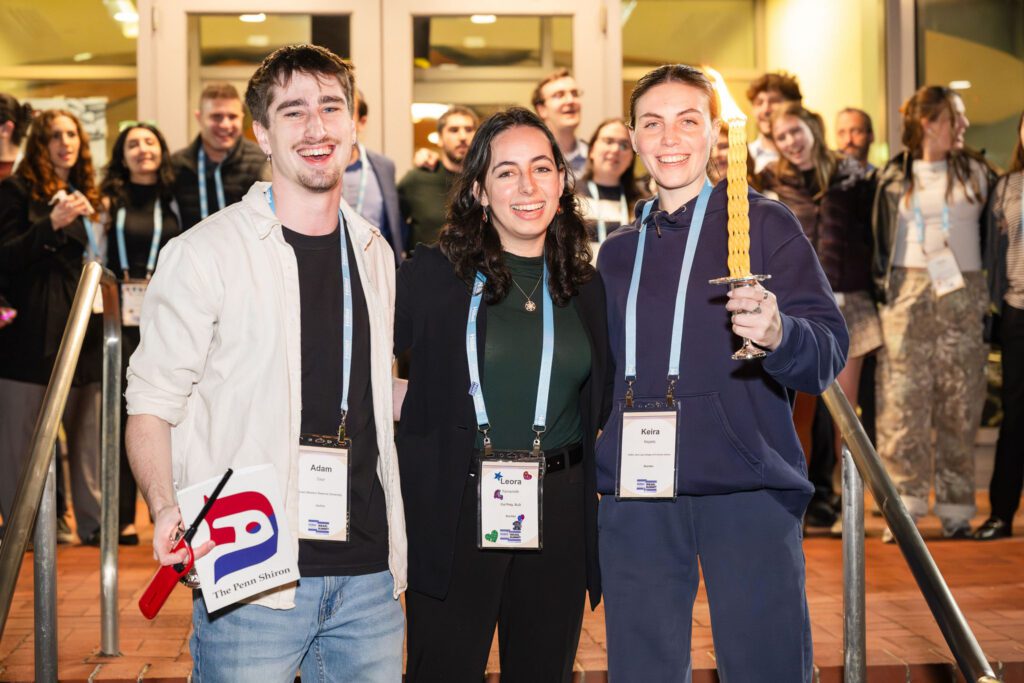
In a new approach to this annual conference, the 2026 Israel Summit brought together the full cohort of Hillel International’s Israel Leadership Network (ILN) — a new generation of Israel-focused student leaders from North American campuses empowered through education, leadership, and community engagement. This year’s summit also focused on Shabbat as a central point of connection and belonging for the ILN student leaders, in many cases introducing students to the power and meaning of a Hillel Shabbat.
Here are our top five highlights from this uplifting and educational weekend:
1. Empowerment, Joy, and Pride Took Center Stage
The tone and approach for Israel Summit this year actively celebrated how pride in Israel and joyful Jewish life reinforce one another, showing that connection to Israel can deepen cultural, spiritual, and communal experiences.
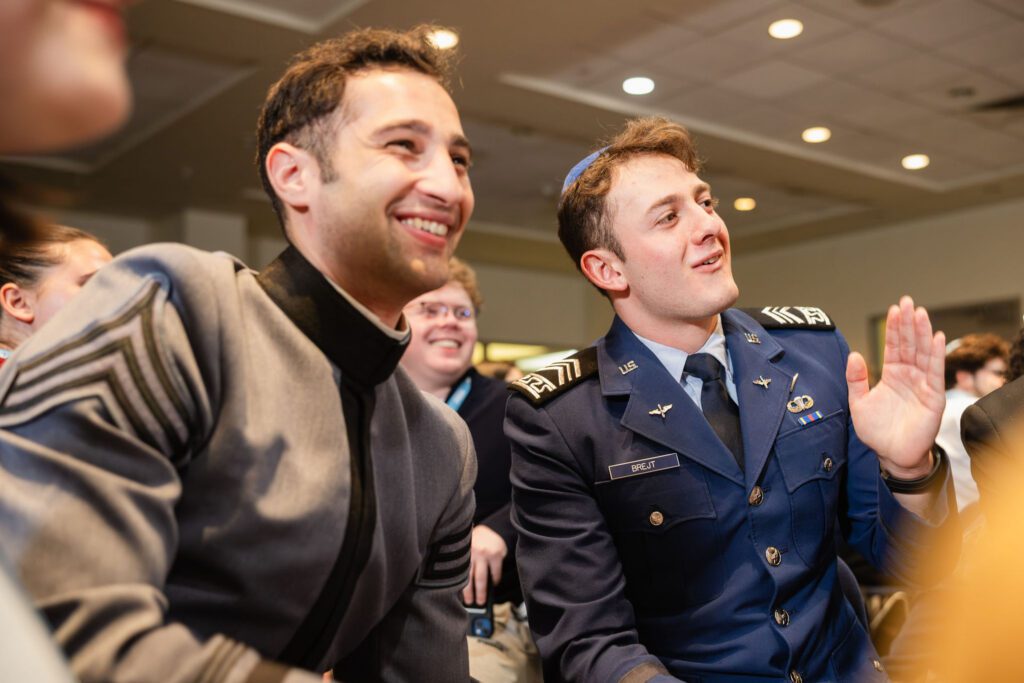
“I’m incredibly heartened to see 150 of the foremost leaders in the campus pro-Israel movement assembled here today.” said Adam Saar, executive chair of ILN. “Tonight’s plenary brings together voices who have been at the forefront of advocating for Israel in the face of real challenges on campus and diplomacy and in the media.”
The 2026 summit centered its plenaries and masterclasses on giving student leaders the practical skills and insights to model joyful expressions of solidarity and integrate Israel-focused content into their programming when they get back to campus. Notable speakers included Ambassador Dennis Ross; Israeli Ambassador to the United States Yechiel Leiter; activist and speaker Elica Le Bon; and Co-Founder of the Hostages and Missing Families Forum Matan Sivek.
“You ask yourself – how can I be helpful? How can I be helpful to my community? How can I be helpful to my family?” said Sivek. He reflected on the impact that students had on his work with the Hostage and Missing Families Forum, “This all happened because of students – we were all students.”
“The Israel Summit deepened my knowledge by exposing me to a wide range of perspectives,” said Skylar Elbinger, a fourth-year student at Michigan State University. “I was able to have discussions about political, social, and cultural nuances, and the summit challenged me to think more critically and strengthen my pro-Israel perspective.”
2. Celebrating Shabbat Together Offered Rest and Intention
This year, for the first time since 2021, Israel Summit was held at a campus Hillel and structured as an immersive Shabbaton.
Hillel at the University of Pennsylvania is known for its inclusive and joyful Shabbat experiences, and this summit was no exception. After a day and a half of intensive learning on Thursday and Friday, the transition to Shabbat on Friday evening gave students space to process, connect, and set intentions for the coming day.
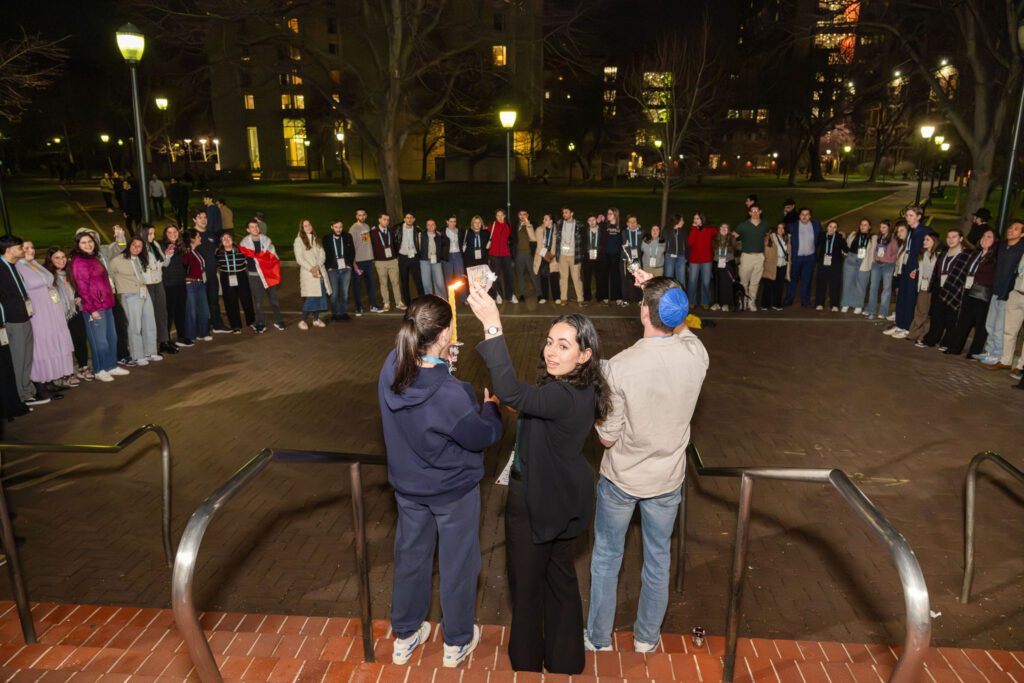
“For me, Shabbat is a pause,” said Becca Paikin, a third-year student at the University of Toronto. “It’s a moment to step back from everything we’ve been taking in and to reconnect with our community. Some of the most powerful moments at gatherings like these don’t happen in the sessions, but when we step back and come together.”
Shabbat began with optional prayer services, followed by a full-group dinner (because there’s no such thing as Shabbat at Hillel without delicious meals!). After dinner, students broke out into evening discussion groups.
On Shabbat, after a morning of optional ritual and prayer experiences and lunch, students began an afternoon of informational sessions. Students chose breakout sessions that were most interesting and relevant to them, with topics ranging from political realities, like “Israeli Elections: Key Issues and Coalition Scenarios,” led by David Makovsky and Ghaith al-Omari of The Washington Institute for Near East Policy, to discussions focused on the Jewish communal future, like “Beyond ‘Everyone’s Welcome’: A Serious Case for Jewish Pluralism,” led by Hillel International’s senior vice president for education, community and culture, Rabbi Benjamin Berger. Each session offered takeaways to deepen ILN members’ insights and bolster their effectiveness as Israel-focused leaders and educators.
“While there will always be complexity in organizing a Shabbaton with a diverse collection of Shabbat practices, I’m deeply thankful that our ILN students could experience such an inclusive and powerful Shabbat together,” said Joshua Losner, Hillel International’s director of ILN.
3. Masterclass Workshops Centered Resilience, Inclusion, and Trust
The summit also focused on giving student leaders training and tools designed to support them in tackling challenging situations, engaging peers on social media, building or rebuilding coalitions and communities, and being educated about campus safety protocols.
“Every plenary, masterclass, and learning session this weekend is designed to leave you with actionable takeaways to help us address the evolving challenges and dynamics we face on our campuses,” said Saar, in his address at Thursday’s opening plenary. “We will learn from each other and our amazing expert guests, come up with groundbreaking ideas, and generate impact that will extend far into the future.”
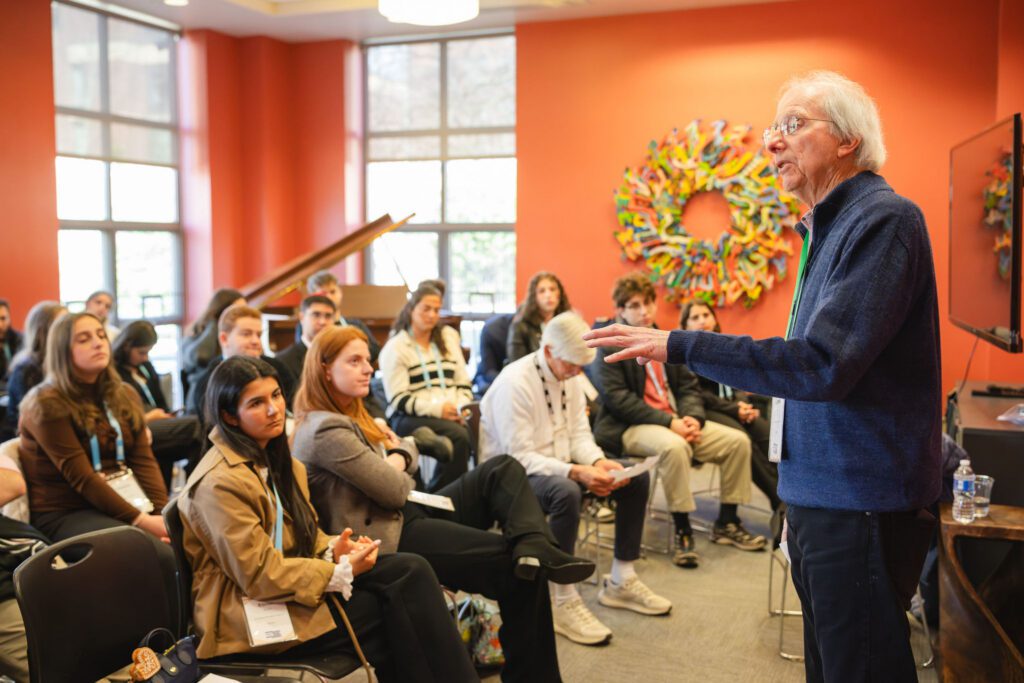
Offered in three program blocks, masterclass workshops were led by leaders and experts from both inside and outside the Hillel community. Students could learn about local and national civic leadership from Jason Holtzman, executive director of the Jewish Community Relations Council of Philadelphia, or dig into the legal rights of Jewish students on campus with Mark Rotenberg, general counsel for Hillel International. They could explore relational advocacy and allyship with Hillel’s Senior Manager of Israel Action Program Maddi Trick, or discuss Israel-centered storytelling on social media with Kami Salman, social media education manager for TalkIsrael.
4. Student Leaders Learned from Each Other and Left with a Wide Network of Collaborators
Hillel International has always centered student-led learning, programming, and community — because no one knows what it’s like to be a Jewish student on campus better than students themselves.
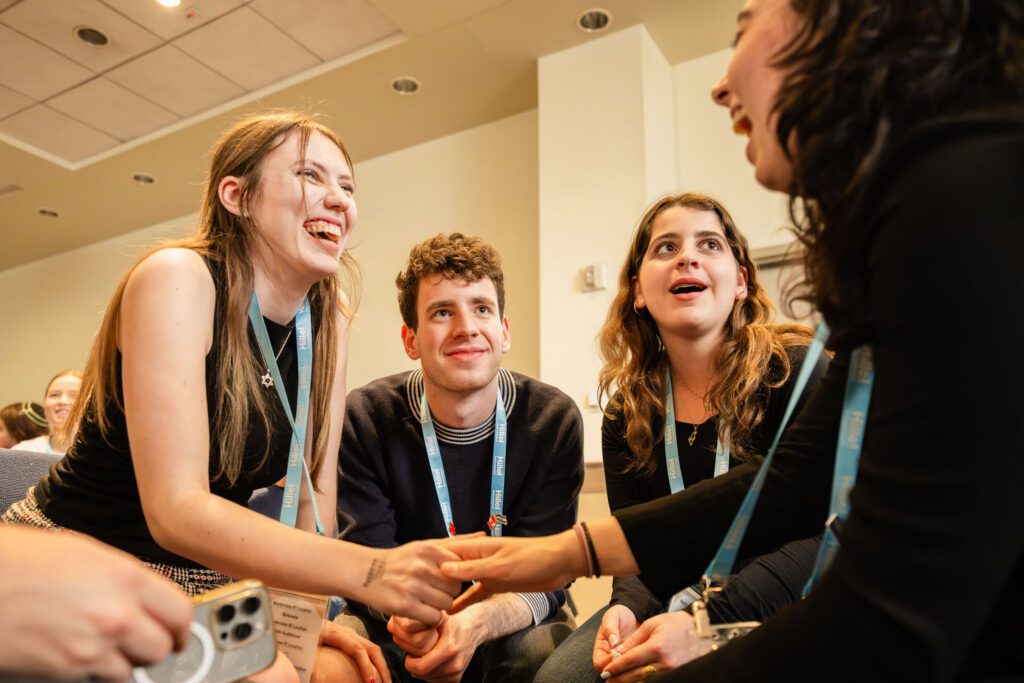
“What makes ILN special is that mentorship here is reciprocal,” said ILN Vice Chair and Emory Hillel President Sophie Kalmin. “We teach, and we learn. We lead, and we are lifted.”
While the summit was full of professional experts, some of the most special moments of the event were about creating opportunities for peer-to-peer learning. ILN student leaders exchanged strategies, critiqued ideas, and worked to build collective solutions to lead more collaboratively on campus.
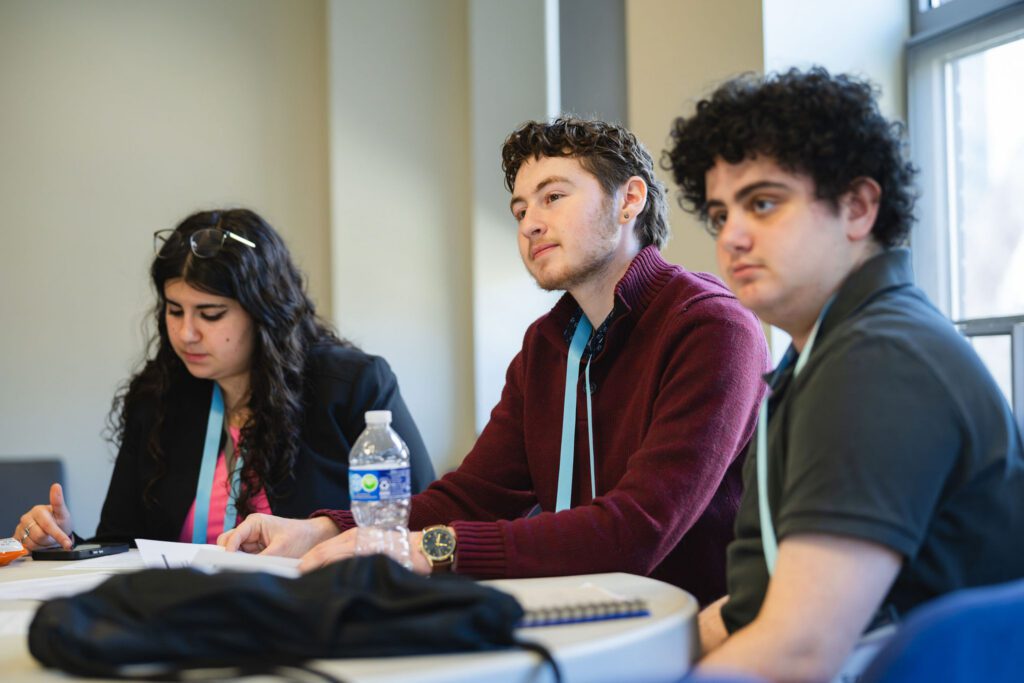
Ari Zucker, a fourth-year student at Cornell University shared, “I am returning to campus with a newly formed network of students across the entire U.S. and Canada. The in-depth conversations I had with other students, as well as the opportunities to form great friendships, are priceless. And, of course, I can always reach out to any of the people I met for further advice in the future.”
“We know Jewish students deeply value connecting with one another,” said Losner. “This formed a core objective of the summit — to support ILN as a vibrant peer network and student-leader pipeline.”
5. A Shared Sense of Purpose Carried Students Forward
By the end of the weekend, students left not just with new knowledge and skills, but with a renewed sense of purpose.
Throughout the summit, ILN leaders were encouraged to think about how they would take what they learned and translate it into action on their campuses. Whether through programming, conversations, or leadership roles, students walked away with a clearer understanding of how they can show up for their communities and for Israel.
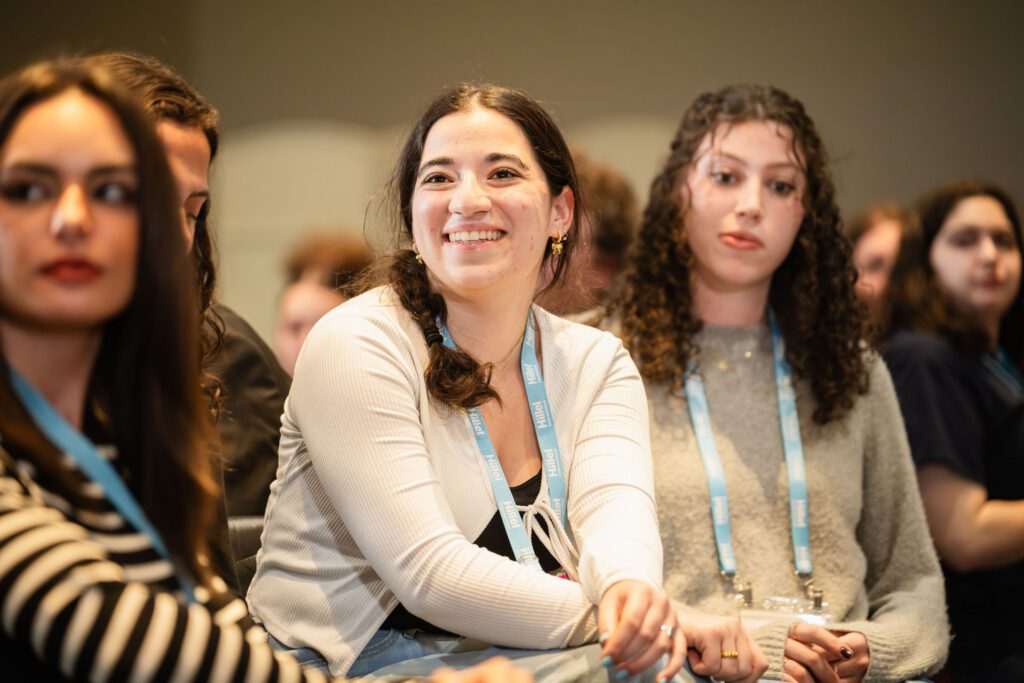
“I am excited to bring back the confidence and communication skills to engage in thoughtful, respectful conversations about Israel, even when topics are complex and challenging,” said Elbinger. “I also want to share the perspectives and new knowledge I gained to help create a more informed and open environment on campus, where students feel comfortable asking questions and engaging in dialogue.”
“Gathering our core Israel-focused student leaders for inspiration and education at Israel Summit is a critical part of making sure they have the tools they need to be successful educators and advocates on campus,” said Jon Falk, Hillel International’s senior vice president of campus solutions. “And beyond that, it was clear how much the belonging and community they find through ILN forms the foundation of their confidence and passion.”
This year’s summit highlighted pride through joyful Jewish and Israel-focused cultural programming. It offered practical training for student leaders in antisemitism response, coalition-building, and their ability to publicly express their Jewish identity and love for Israel. It empowered them as peer-to-peer ambassadors for conversations about Israel, building their capacity to positively impact campus communities.
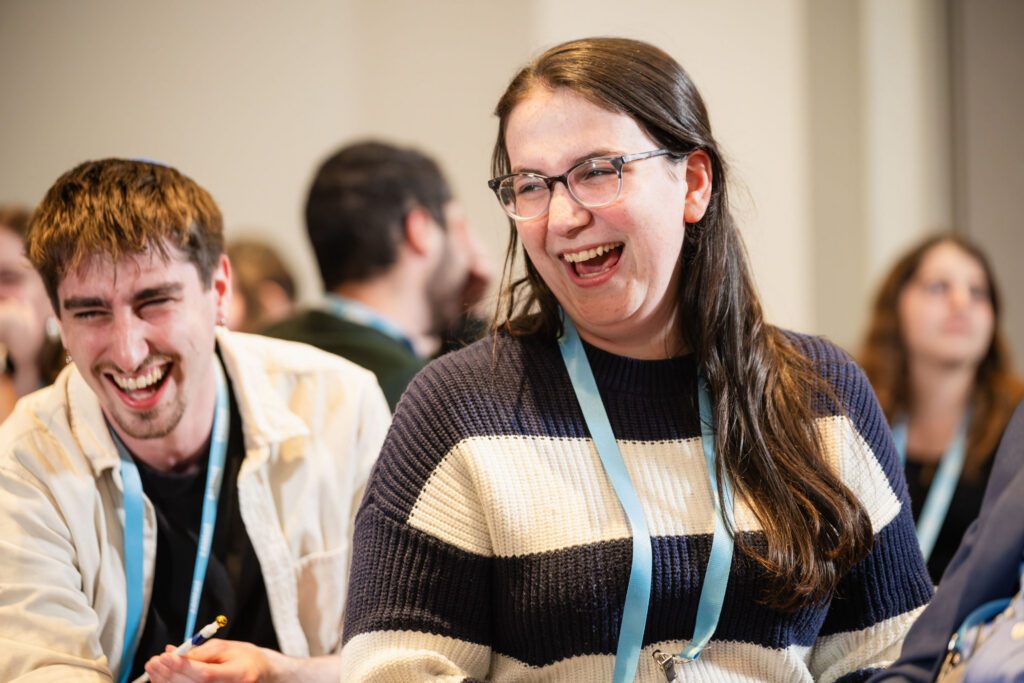
And it gave them space to celebrate their own achievements — honoring the impact so many of those student leaders have already had.
“To our past and current ILN members: thank you,” Kalmin said in her remarks at Thursday’s plenary. “Your work strengthens Jewish life everywhere you go, and your commitment ripples far beyond any single event or campus quad.”