What is Rosh Hashanah?
What is Rosh Hashanah?
Rosh Hashanah marks the beginning of the Jewish calendar, which is entering the year 5786, and is celebrated as the Jewish New Year. The Jewish year begins in the fall with the month of Tishrei, and Rosh Hashanah occurs on the first and second days of the month of Tishrei.
Rosh Hashanah and Yom Kippur, the Day of Atonement that follows ten days after Rosh Hashanah, are known as the Days of Awe, or the High Holidays.
Rosh Hashanah carries many historical and religious meanings, including:
- The day when the Jewish year begins
- The day that sparked the creation of the world
- The day of judgment – when God is believed to decide each person’s fate for the coming year

Ways to Observe Rosh Hashanah:
Rosh Hashanah traditions are as ancient and varied as the Jewish people. Here are some of the traditional observances and practices for Rosh Hashanah, and ways to mark the holiday:
- Many people spend Rosh Hashanah focused on prayer and contemplation as they reflect on the past year, and gather with friends and family to celebrate the beginning of the new year.
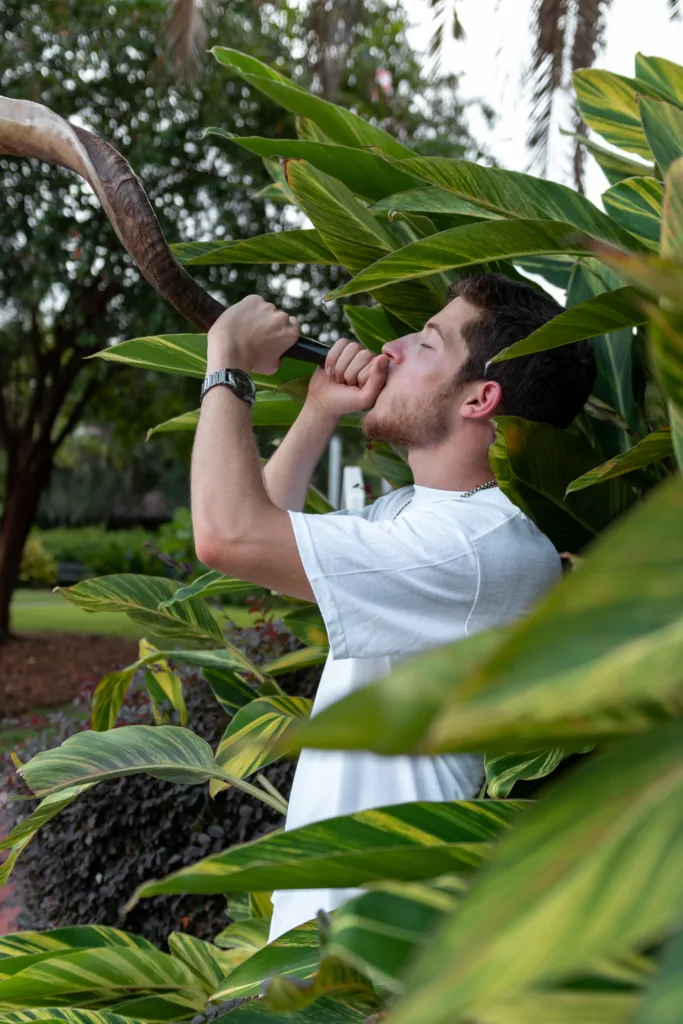
- The shofar, a ram’s horn crafted into a rough instrument, is blown on Rosh Hashanah to ground listeners to the present moment, and to call them to action on this day of reflection and growth.
- There are a number of special foods associated with Rosh Hashanah, the most famous being apples and honey. Apples are dipped into honey, and eaten as a symbol of hope for a sweet new year. Pomegranates, dates, and gourds are some of the other symbolic foods eaten on this holiday; each carries a hope and blessing for the new year. Some families and communities host a Rosh Hashanah seder, centered around these symbolic foods.
- Tashlich is an ancient practice that symbolizes the clean slate that we hope to achieve for the new year. Tashlich is practiced at the banks of a flowing body of water, and involves a special prayer that symbolizes the casting away of past failures and sadness into the water.

Setting Intentions for the New Year and Reflecting on the Past Year:
In addition to Rosh Hashanah’s traditional practices, the New Year can be a time for setting intentions and practices that focus on wellness and joy for the upcoming year. Here are some suggestions to mark the coming year while reflecting on the year that has passed:
- Open up a new journal and put your thoughts and reflections from the past year down on paper. Think about your goals and hopes for the new year and include those as well. You can return to these pages again and again throughout the year to follow the ebb and flow of your year with intention.
- Reverse Tashlich, a new tradition practiced by many college campuses and Jewish communities, combines the traditional practice of Tashlich with the Jewish value of caring for the earth. Reverse Tashlich programs bring together a group of people to clean up a local body of water. You can find out more about Reverse Tashlich, and start one on your campus or in a community near you with resources from Repair the Sea.
- Reach out to friends and family with whom you may have lost touch, and thank them for being part of your life. Take this time to think about connecting with new friends and seeking new opportunities for joy and growth in your life.
May this year be one of abundant joy and peace for Jewish students and communities around the world.