Celebrating Persian Jewish Culture for Purim
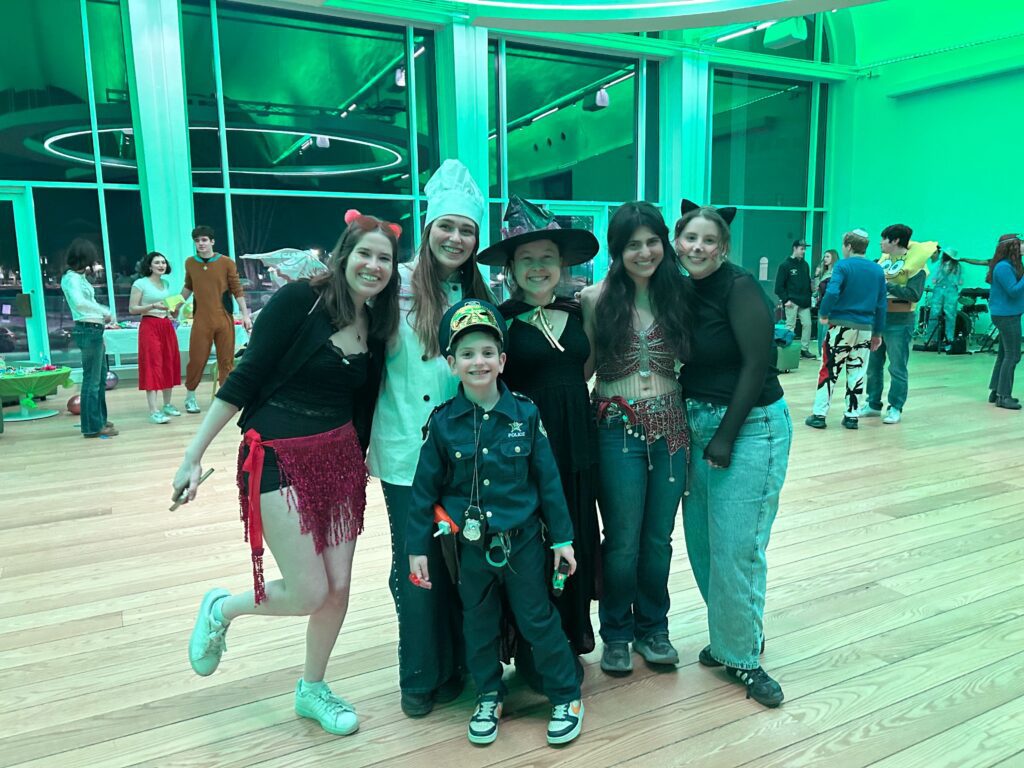
Julia Nikkhoo is a student at Dartmouth College. She shared her family’s ancient connection to the Purim story in celebration of the holiday.
As missiles fall in Iran, Israel, and other parts of the Middle East, Purim is an especially timely reminder of the connection between Persians and Jews.
My mom is Hamadani, her ancestry rooted in the city in Iran where both Queen Esther and Mordechai are from. My Hebrew name is Esther in honor of this connection, so I always saw Esther as someone who looked like me, lived in the place my mom lived, spoke Farsi, and had a Persian name. Because of that, this holiday has such special meaning to my family and the Persian Jewish community, who I’m especially missing this week. My celebrations at Dartmouth in Hanover, New Hampshire are less rooted in Persian traditions than in California, but they illustrate how relevant and applicable the lessons from Purim are in a new way.
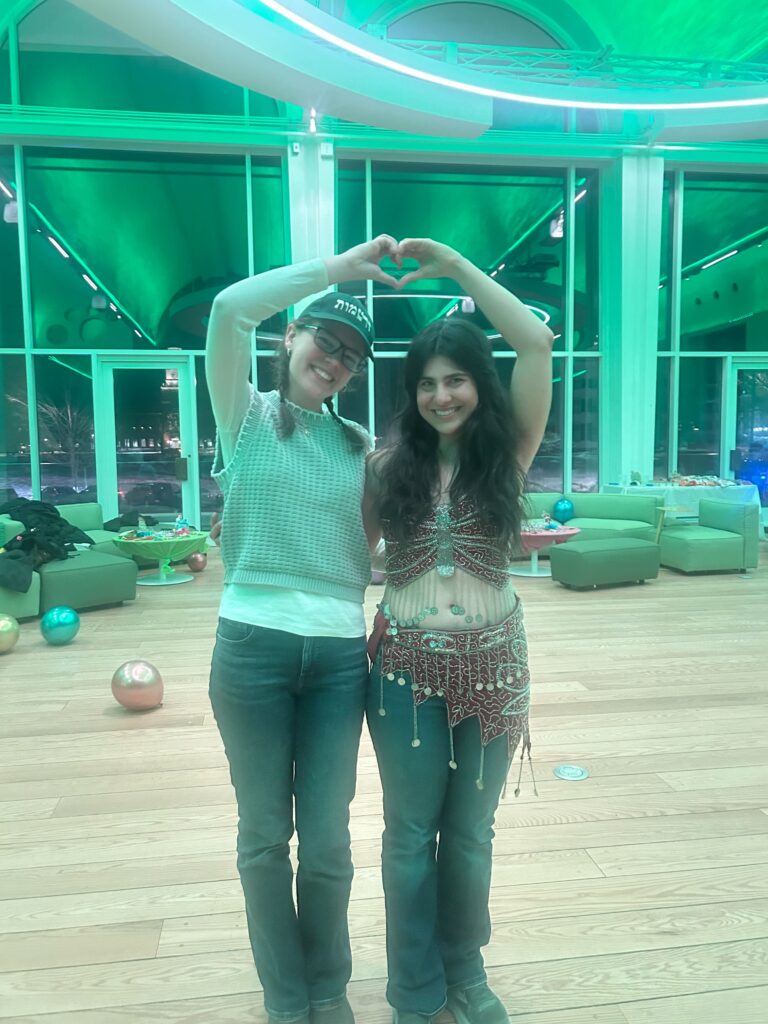
Purim is, at its core, a story about a Jew who no one knew was Jewish. Esther had a Persian name, was married to a non-Jew, and since she was not able to openly practice her religion, hid her true identity. She was perhaps the last person many would expect to be a Jewish hero. And yet, she saved her entire people. Esther’s story teaches that every Jew is an important and valued member of our community. Because of that, I am so grateful Dartmouth Hillel’s annual Purim Ball offers people a space to connect with Judaism in a way that is accessible for all, especially for those who may have never attended a Jewish event before. This unique welcoming space that Hillel creates is the most meaningful tradition that I’ve incorporated into celebrating Purim, alongside the traditions I grew up with.
My earliest Purim memory is getting dressed up in a princess dress so I could be “Queen Esther” for Purim. Our synagogue held massive events for Purim where I have a vague memory of playing carnival games, but I mostly remember all the music and dancing. Persians love to dance, and I have the best memories of spending Purim on my feet, even after we got back home. My dad also has a book called “Esther’s Children” about the history of Persian Jews, and I remember that book sitting on a table in our living room for as long as we’ve lived in our house. My connection to Esther has been lifelong.
Growing up, my mom always spoke about Hamadan and how the tomb of Esther and Mordechai remains there, even after so many of its Jews have been forced to leave. She would remind me that my ancestry and Esther’s ancestry are the same, since many Jews stayed in Hamadan for thousands of years. It was very special as a child to have a Jewish hero who looked like me and who came from the same town as my mom. The imagery of Esther in our house always portrayed her with olive skin, dark black hair, and facial features just like mine.
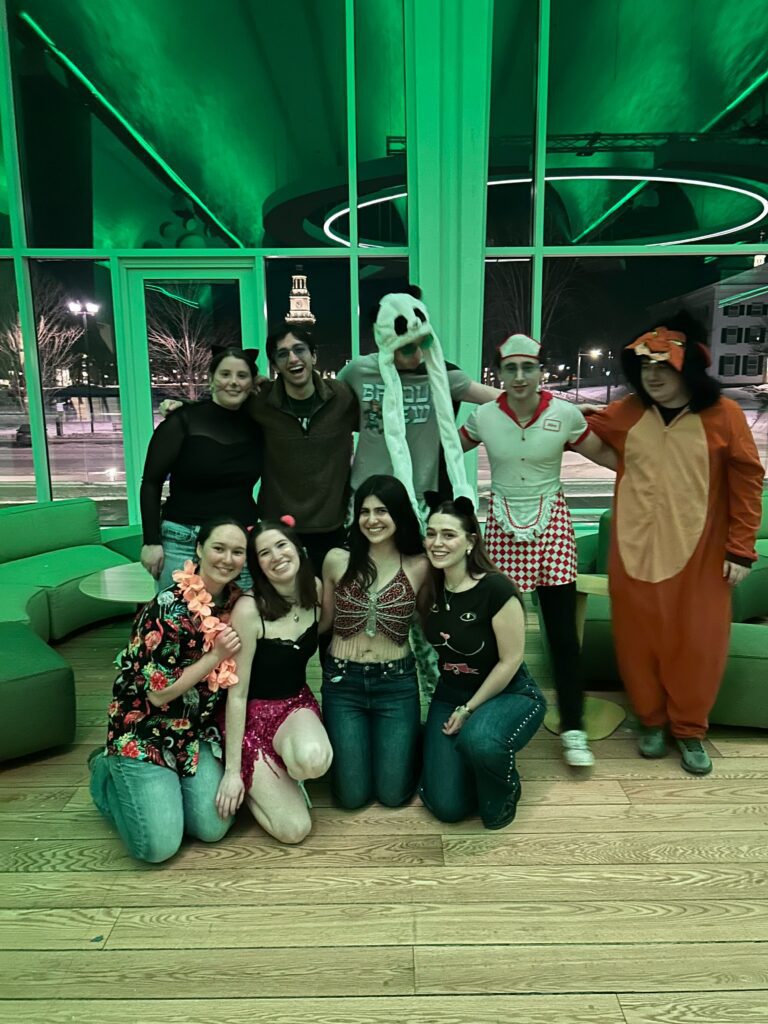
Today, I still strongly associate Purim with Persian traditions and community, though there is no Persian community at our New Hampshire Hillel. But now my celebrations hold their own special meaning, because I have a chance to share them with people who have never experienced them. While we always have a mishloach manot event and a Megillah reading in Hanover, my favorite part of this holiday is when we dress up in our costumes and come together to dance. This way of celebrating together most reminds me of home.
Because of that, I always request Persian music at our Purim Ball, which was held this year in one of Dartmouth’s main event spaces. Every year, I teach anyone who is willing how to dance traditional Persian dances. It’s a fun way to share my culture, and my mom always laughs when she sees the videos of people trying to qajar successfully. Persians love life. Persian celebrations are filled with music and dancing, from Nowruz to weddings to living rooms after dinner. This celebration of life is also a Jewish value, perhaps most applicable on Purim. Iran and the Jewish people have had a biblical connection since King Cyrus. On Purim, I celebrate both parts of my identity.
Celebrating Purim continues to connect me to my home and my heritage, even as the world changes. It celebrates the thousands of years of history that Iranians and Jews share. And though the Purim Ball is over, I’ll still be bringing my Persian culture to the Dartmouth Jewish community through Persian Shabbat celebrations, teaching people to sing “Tavalodet Mobarak,” and celebrating holidays together. Although at first I felt isolated over the weekend when this conflict began, my homesickness faded as my Hillel community showed up for me. Through this holiday, this conflict, and beyond, I’ll be celebrating Esther and thousands of years of Jewish, Persian, and Persian-Jewish history.