Hillel Rio Welcomes Hundreds to Sukkot Festivities
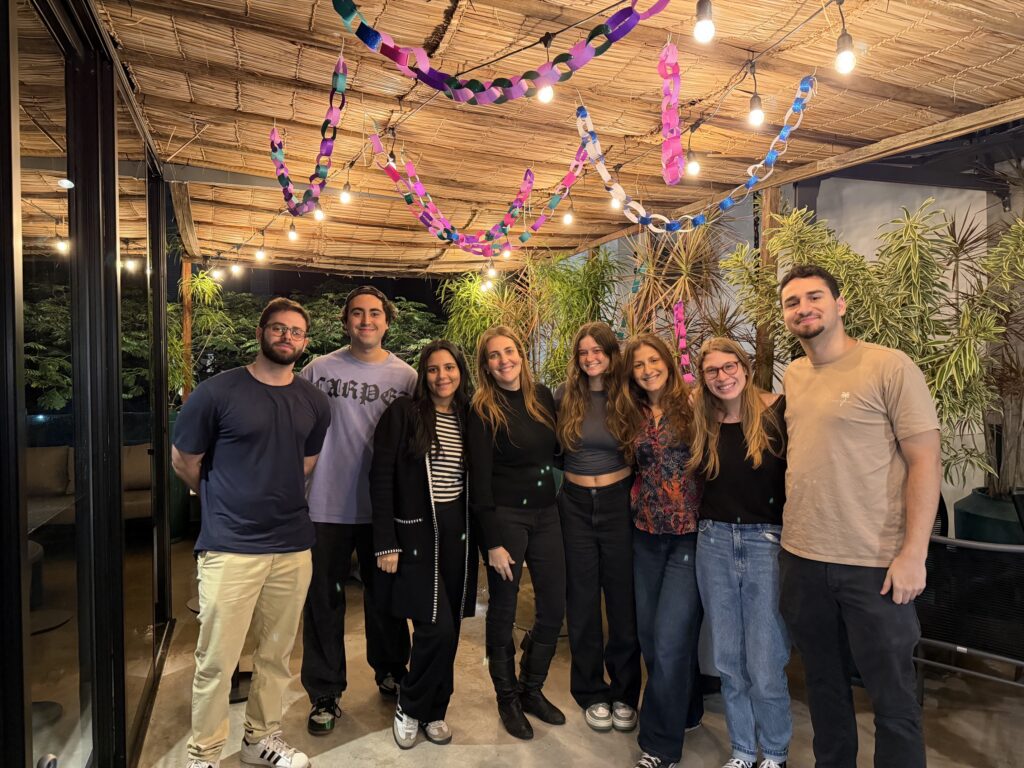
Spring is beginning in Brazil, and at Hillel Rio, Sukkot is underway. The Hillel sukkah is filled with Jewish students and young adults sharing meals, learning Jewish text, shaking the lulav and etrog, spending time with friends, and even sleeping under the stars.
For roughly 3,000 participants, Hillel Rio offers a place to make Judaism, Jewish identity, and holidays like Sukkot their own. Their sukkah is a gathering place for 18- to 30-year-olds from across Rio de Janeiro to celebrate and connect — and they take ownership of that experience, building it from the ground up.
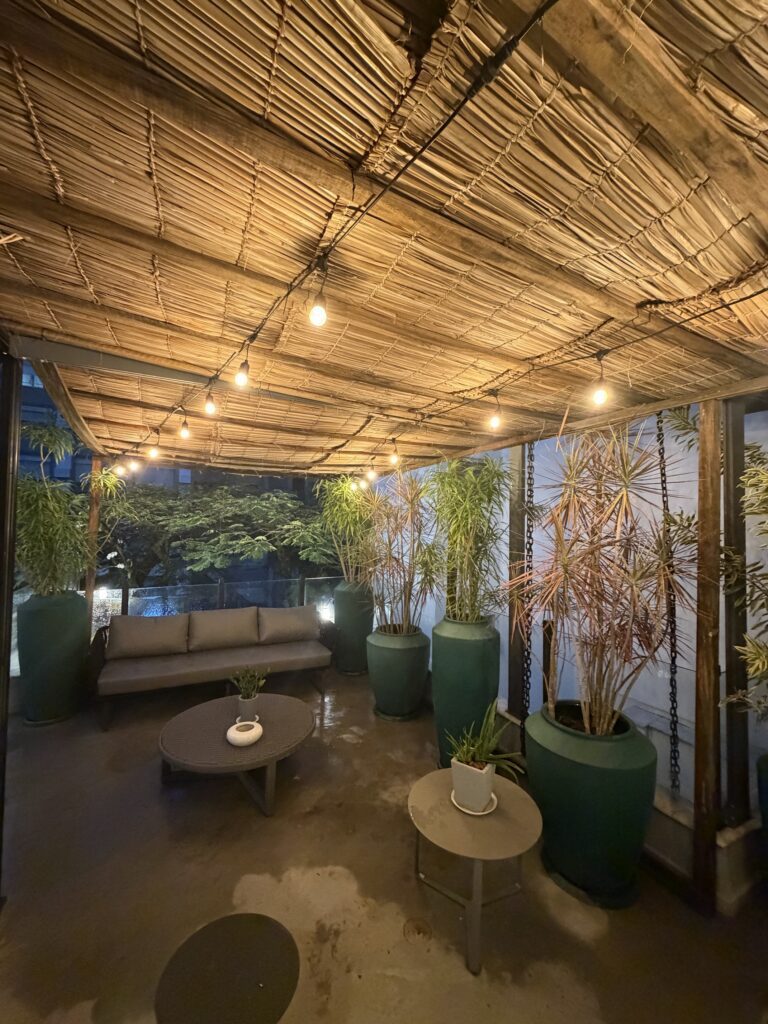
Gabriela Sznajderman, an aspiring lawyer and member of the Hillel International Student Cabinet, is among a group of college students who volunteer to build the sukkah each year. She said every aspect of the experience, from the decorations to planned programs, is designed to feel warm and inviting, reflecting the spirit of Hillel Rio.
“Having a sukkah is especially meaningful because it represents what Hillel is all about: a welcoming home where we celebrate our Jewish identity and feel a sense of belonging,” Sznajderman said. “It’s incredible to have different activities every day during the chag (holiday), bringing us together and strengthening our community.”
Student Giulia Zeitune agreed. “Hillel Rio organizes events for nearly all the days of Sukkot. They have talks, dinners, and gatherings,” she said. “My favorite part is being able to spend a lot of time with my friends in the sukkah, in a place where we all feel comfortable.”
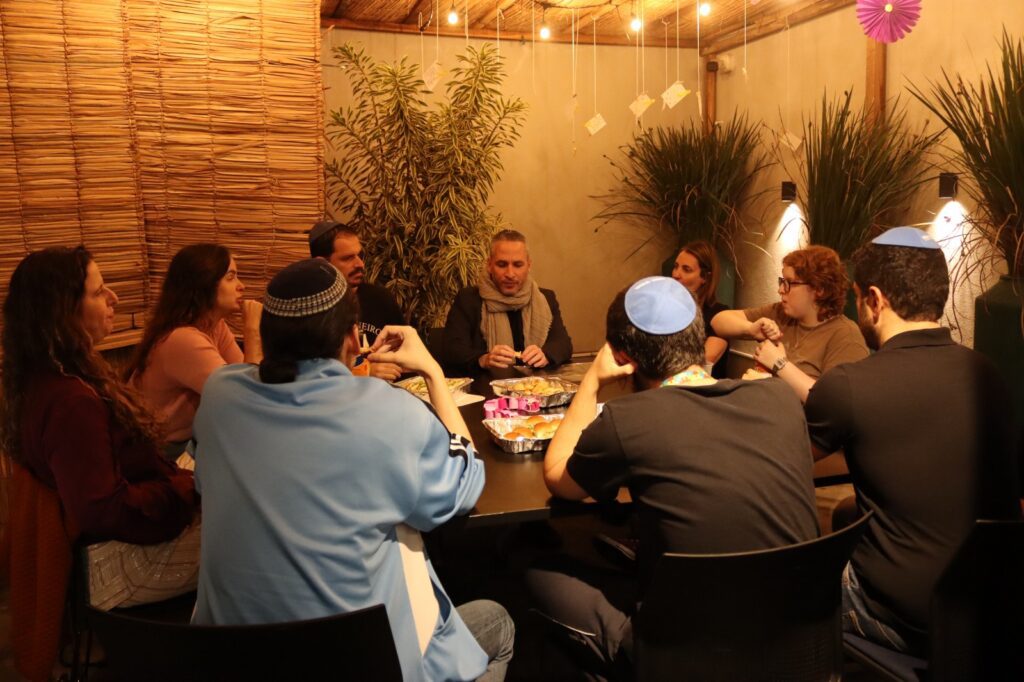
Sukkot also invites Zeitune and her peers to consider a deeper question: What makes a place feel like home?
A sukkah is, by design, fragile. It represents the huts the Israelites lived in as they wandered the desert for 40 years. Its roof is porous, made of branches or other natural materials, and depending on the weather, the entire structure may sway. Yet for one week, young adults at Hillel Rio make this temporary structure a home.
For Hillel Rio Executive Director Carla Catran Baumworcel, that balance is part of what makes the holiday so meaningful.
“The sukkah creates a unique environment for people to slow down and simply be together,” she said. “It is a space for sharing a meal, having meaningful conversations, celebrating, learning, and welcoming others. There is also something deeply meaningful about the sukkah itself. It is temporary and open, reminding us that many of the things we consider essential are not material. What sustains us is our relationships, our community, our traditions, and the people with whom we share them.”
During Sukkot, the sukkah becomes the hub for Hillel Rio programming. Baumworcel and her staff bring together different communities for experiences centered around learning, food, art, and connection. Each offers another opportunity to create Jewish joy and meaning.
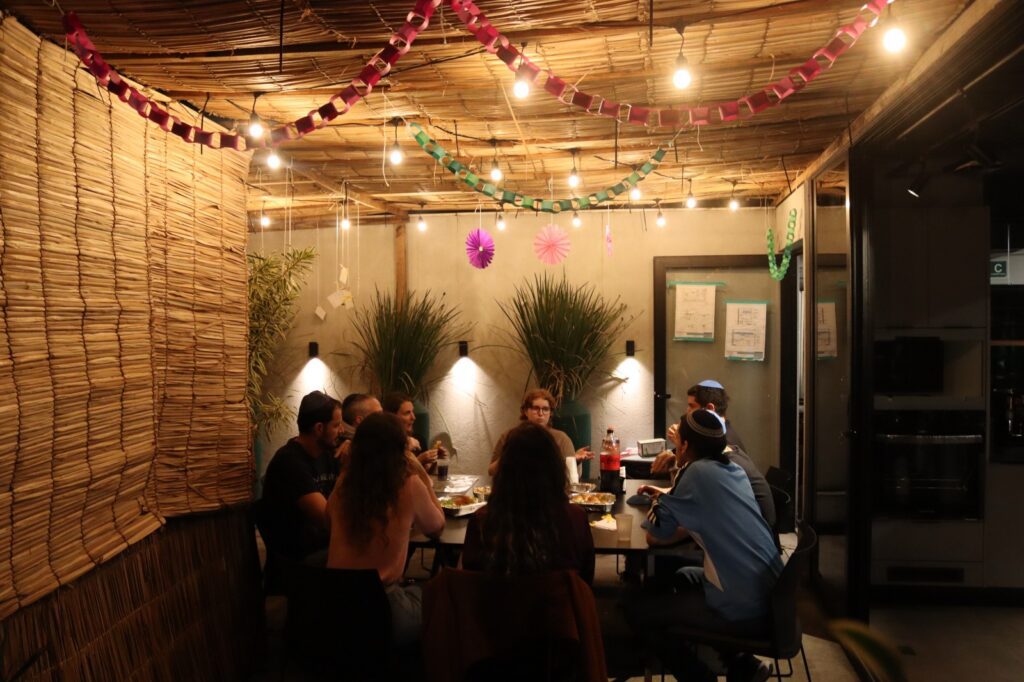
“Our sukkah reflects the pluralistic nature of our community,” Baumworcel said. “Different people, backgrounds, perspectives, and interests can come together in the same space and create something meaningful together.”
Students spend hours building and decorating the sukkah with paper chains and string lights. They welcome one another to sit around a table, share food, and talk about life. They listen to people whose stories differ from their own. And in doing so, they help build the kind of Jewish community they want to be part of.
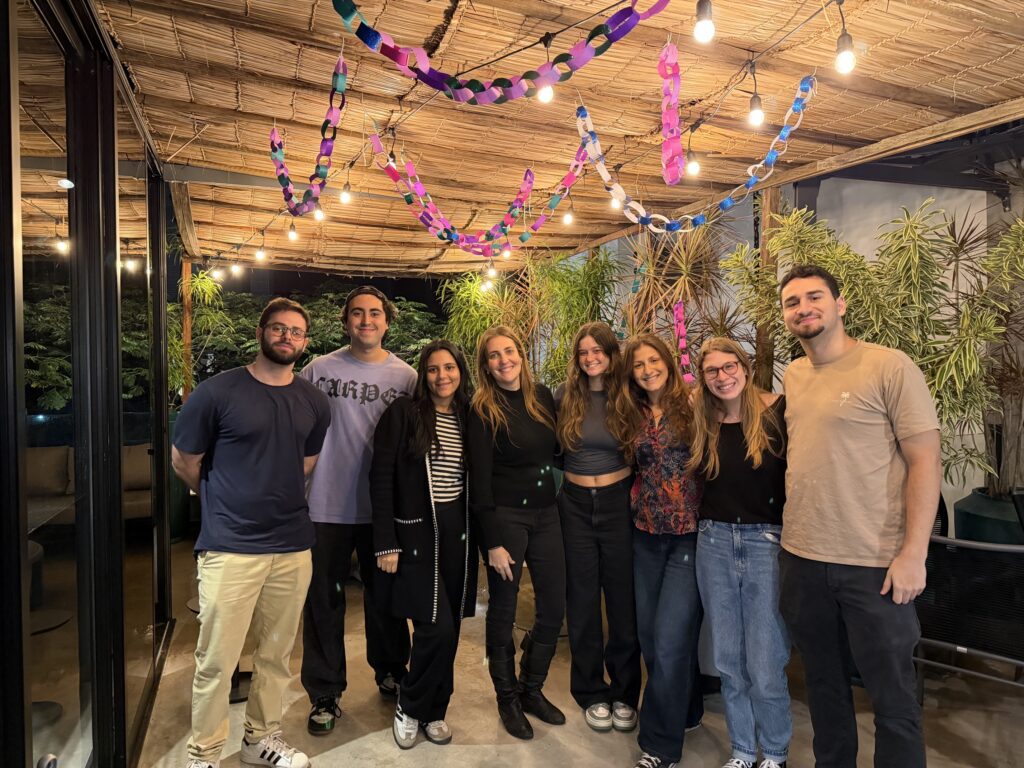
“Having a place in Rio de Janeiro’s Jewish community where young people can connect and feel embraced by such a special home is truly meaningful,” said student Bruno Sznajderman, who says he wouldn’t have celebrated Sukkot if not for Hillel Rio.
Eventually, the decorations will come down and the sukkah will be stored away until next year. But the community built inside it will continue to grow and thrive.