Jewish Students Build Bridges Across Faith Communities
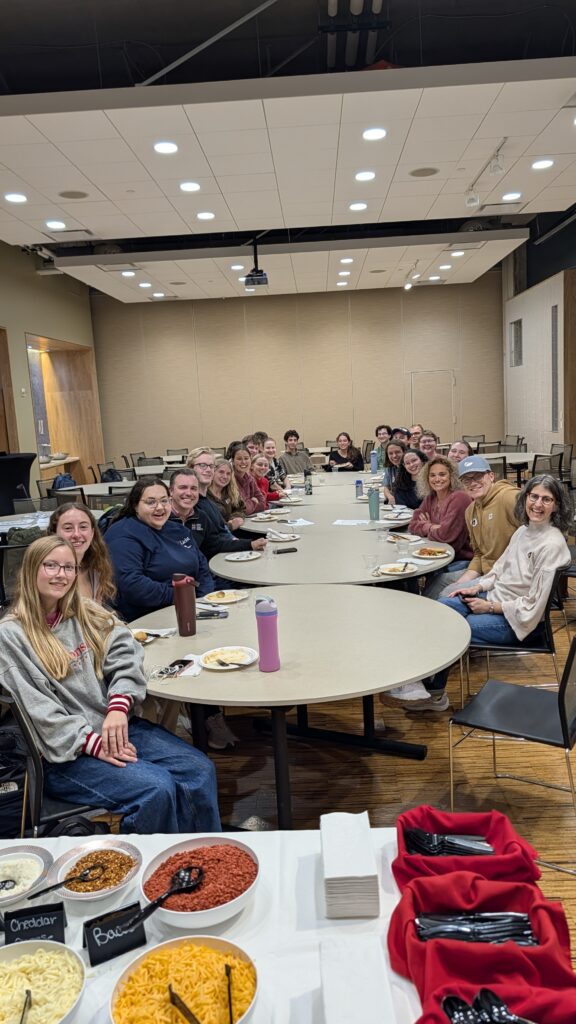
College is a unique time when students of different backgrounds who may never have crossed paths in other spaces find opportunities to come together. And often, all they need for friendships to form is a chance to get to know each other on a deeper level.
To create more opportunities for those connections, this year, Hillel International awarded 41 multifaith relationship building grants, which help campus Hillels partner with faith communities to design and host programs ranging from shared meals and storytelling initiatives to coffee chats, art projects, holiday celebrations, internships, and sports. The programs look different on every campus, but they share a common goal of gathering students from all walks of life under one roof to build bridges, engage in open conversations, and create a campus culture where they better understand one another.
“All of us – students or not – want to feel a sense of belonging.” said Rachel Hillman, vice president of student leadership and engagement at Hillel International. “These grants help campus Hillels provide an invitation to students of every faith. When students share a meal, a piece of art, or a kickball game, they learn about one another and can explore each other’s traditions, discover the values they hold in common, and build friendships that make the whole campus stronger.
In Maryland, students at Towson University have been using art to spark meaningful conversations about faith, beginning with the launch of the Towson Community Multi-Faith Art Show. The show featured seven pieces of art created by students who expressed their religious and spiritual beliefs through color. Featured artists represented a variety of faiths and perspectives, including Christianity, Islam, and Judaism.
One of the pieces on display was a quilt created by Atara Parness, a third-year Jewish student. “It was important to be able to create art and see religious art represented… A lot of religious art assumes a shared context and language of specific topics. My quilt was about community and how community can be found in religion,” Parness said. “I have always found Judaism to be a welcoming and important community and my quilt portrayed how I relate to that.”
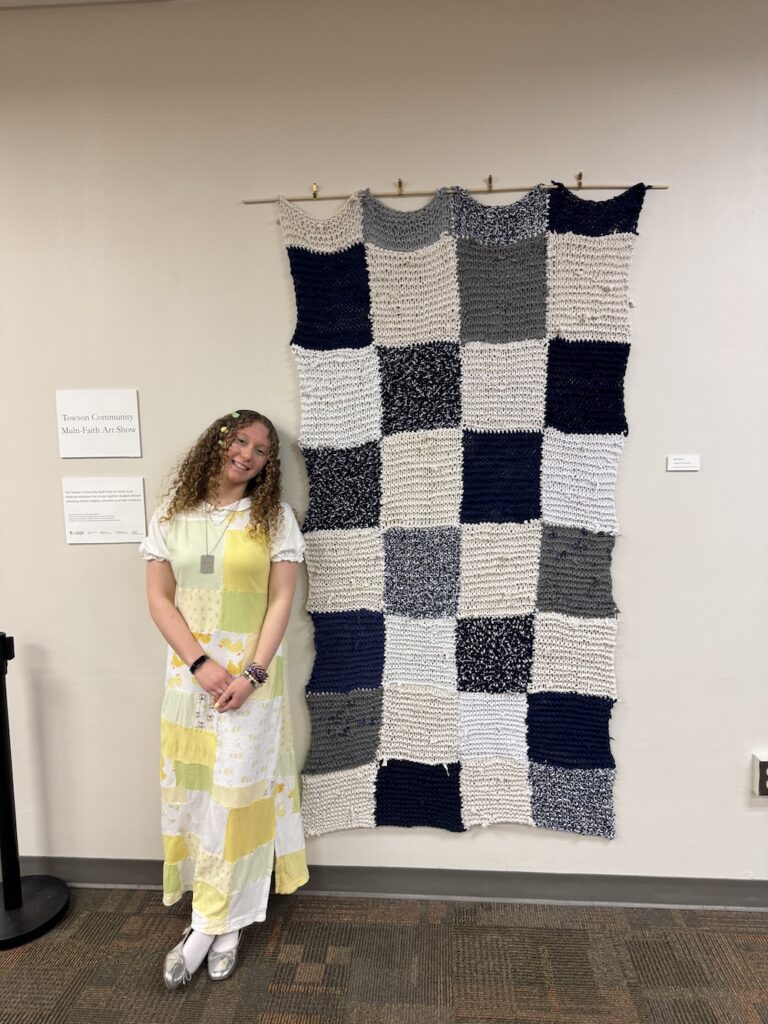
More than 50 students and community members saw her piece at the gallery opening for the first show last year. This year, the Towson Community Multi-Faith Art Show is expanding to include art-making sessions where students can lean into their creativity and engage in conversations with their peers.
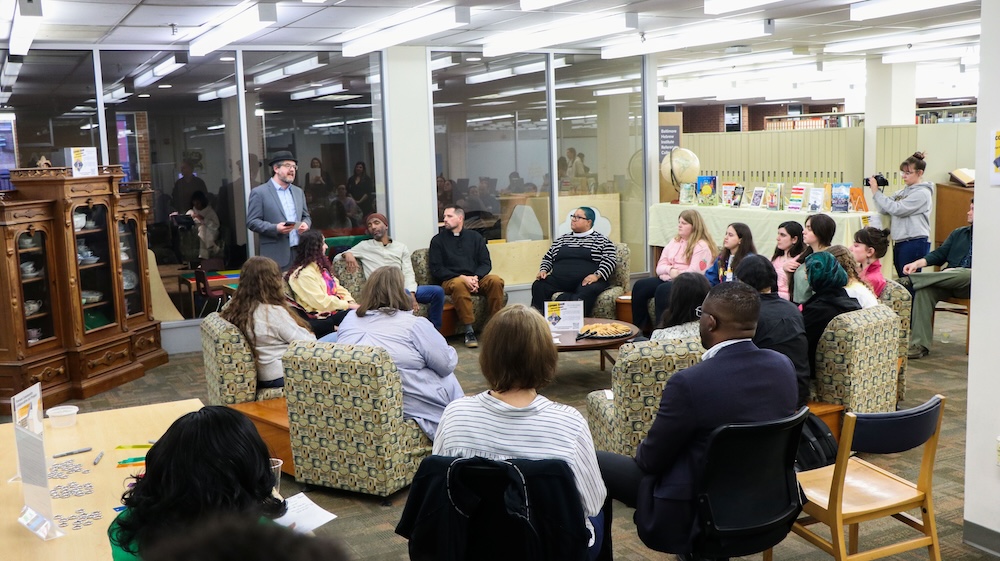
“The Towson Community Multi-Faith Art Show is a powerful cross-campus collaboration. It involves multiple departments in the university and all the religious organizations on campus,” said Rabbi Alex Salzberg, executive director of Towson Hillel. “It demonstrates the universality of artistic expression while making space for the unique perspective of each faith tradition and every individual. Bringing together the artists and supporters for the gallery opening creates a moment of multifaith community that sparks deep and insightful conversations.”
While art is bringing students of different faiths together at Towson, students at the University of Wisconsin are finding common ground through civic engagement and exploring how their religious traditions shape their understanding of civic responsibility. UW Hillel recently put those conversations into action with Reflect, Vote, Eat, a multifaith campus program inspired by Souls to the Polls, a tradition rooted in the Black church’s long history of civic engagement.
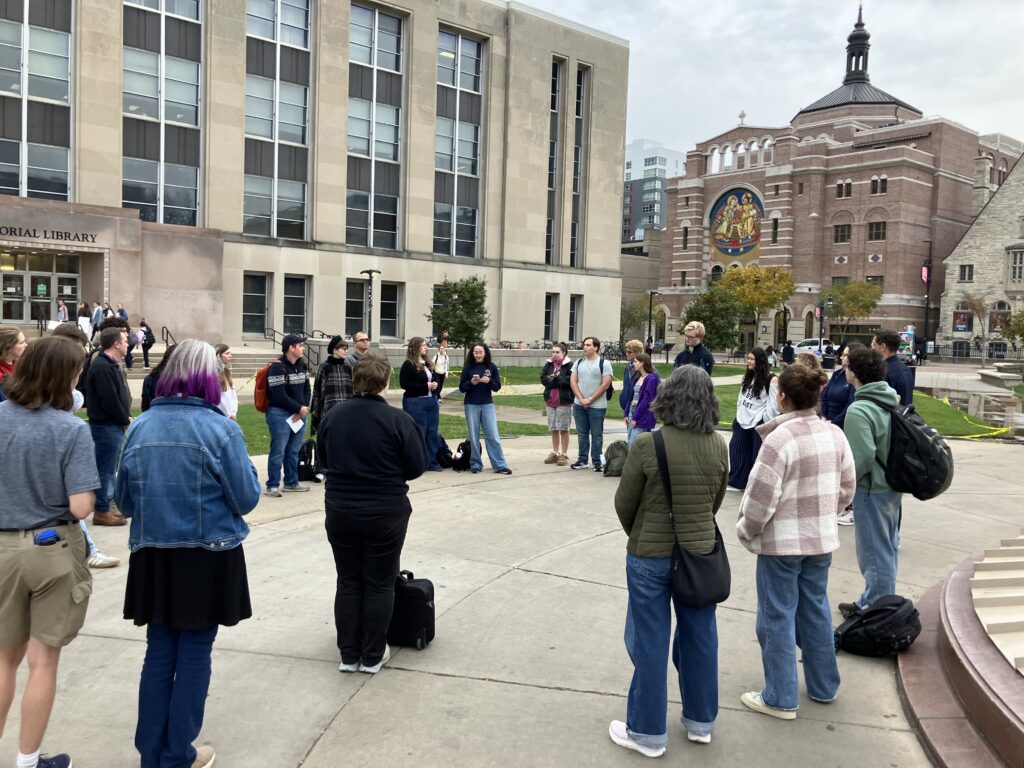
As part of the program, students and religious leaders gathered in October to hear reflections from people of different religions on civic responsibility, voting, and leadership. Then, they walked together to the student union to cast their ballots before gathering at Hillel for dinner.
“Our traditions teach us to pursue justice and care for our community, and those values can bring us closer rather than divide us,” said Aaron Seligman, director of community relations at UW Hillel. “Reflect, Vote, Eat is a chance to reflect together on what inspires us and take an active step to improve our world.”
Rather than simply talking about building bridges, students and faith leaders walked side by side to put those shared values into action. The program gave students an opportunity to hear how different religious traditions approach civic responsibility while discovering where their values overlap.
All semester long, George Mason University Hillel is partnering with faith organizations to host a series of dinners focused on sharing traditions and building relationships through informal dialogue.
George Mason Hillel Springboard Fellow Talia Jacobsohn said these gatherings give Mason Hillel, which is located in the Spiritual and Interfaith Center on campus, an opportunity to deepen relationships with other faith communities. “As part of a campus interfaith center, I have found it really impactful to see our students go one step beyond sharing a building and invite one another into their own religious and sacred spaces,” Jacobsohn said.
This month, students will participate in Faith and Forks with the Center for Leadership and Intercultural Engagement, where they will share a meal with different faith groups and talk about each of their spiritual traditions.
At the University of Georgia, finding common ground took a different form: a game of kickball. Jewish students joined peers from Christian, Muslim, and Hindu communities for an interfaith kickball tournament filled with music, food, friendly competition, and most importantly, an opportunity to get to know one another. “The people were great,” said Gabe Slutzky, a fourth-year student. “And it was nice to see our faith communities come together for some friendly competition.”
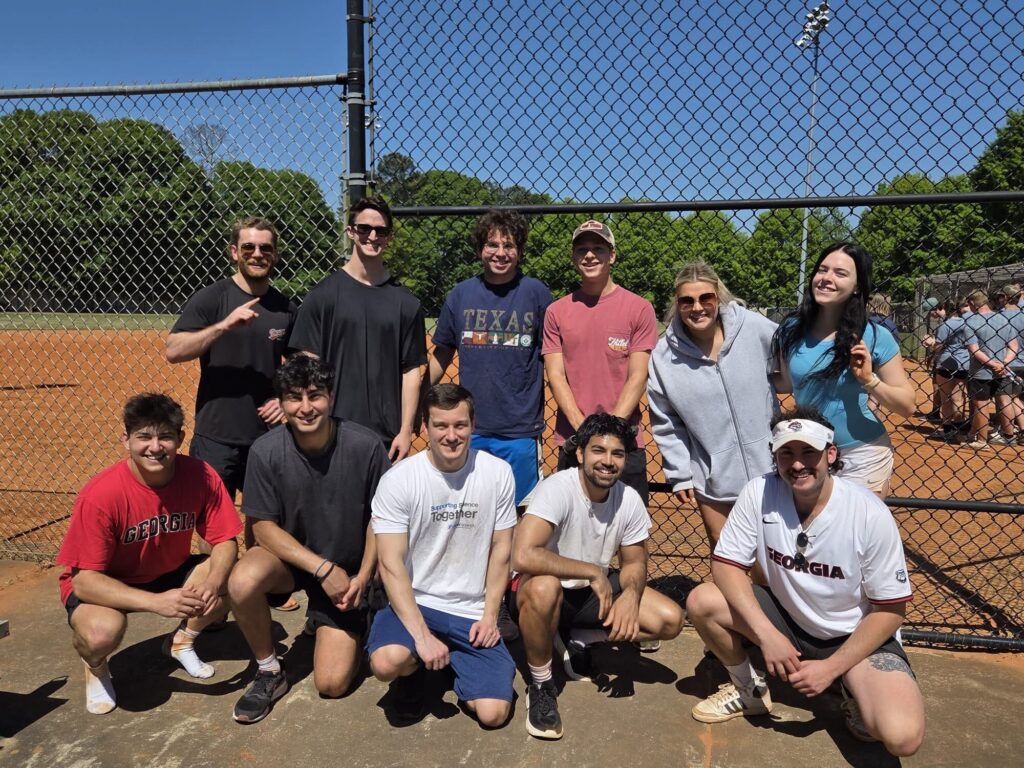
Hillel at UGA will continue bringing students together through another kickball tournament, a Friendsgiving dinner, and a multifaith potluck. Students from faith communities will gather around tables to talk about gratitude, bring dishes connected to their cultures and religious traditions, and share the stories behind them.
“So many more of our multifaith organizations have asked to be a part of this next go around. None of it would be possible without our incredible students, or the dedicated UGA facilities management staff,” said Sam Ceisler, an engagement associate at UGA Hillel. “I feel very lucky to be a part of a community such as this.”
Whether students are making art, sharing a meal, casting a ballot, or playing kickball, each multifaith Hillel program is rooted in bringing students together. In these shared spaces, they can build relationships that strengthen their campus communities, learn about one another’s traditions, discover shared values, and turn differences into opportunities for connection.