JTA: Colleges Cracked Down on Encampments. But Antisemitism on Campus Hasn’t Gone Anywhere.
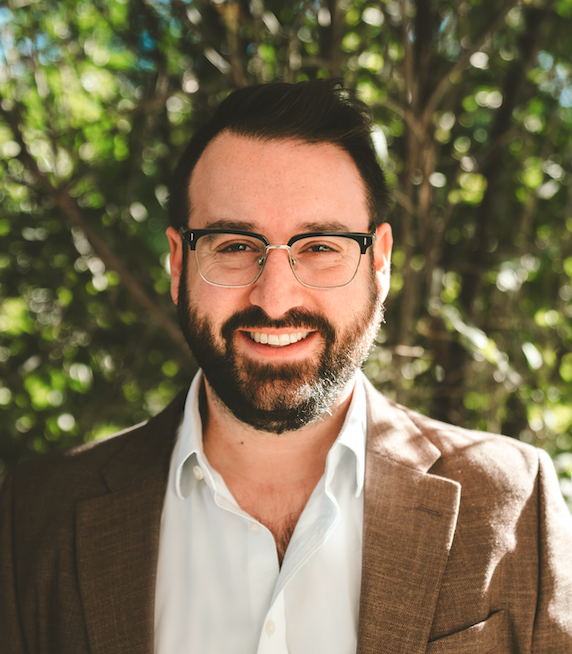
Originally published on April 23, 2026 in JTA, “Colleges Cracked Down on Encampments. But Antisemitism on Campus Hasn’t Gone Anywhere,” by Hillel International Senior Vice President of Campus Solutions Jon Falk, reflects on the past two years since the 2024 campus encampment protests. Here are excerpts from the piece:
“We were used to a pretty steady stream of calls, texts, and emails reporting things like a swastika on a bathroom floor, a Jewish student being punched or a threat that the kosher dining hall would be shot up. As the person leading Hillel International’s Israel Action and Addressing Antisemitism program, my team and I had developed an unfortunate fluency in these incidents: what they meant, how to respond, and what came next.
Then, in the middle of April 2024, something shifted. Students and others staged an anti-Israel encampment in the middle of Columbia’s campus, and within days, my inbox looked like a fire alarm had gone off simultaneously across the country as more than 100 campuses followed. The tents multiplied. And what happened around them was not only standard protest: students chanting for the elimination of Israel, antisemitic tropes displayed openly on posters, Zionist students physically blocked from parts of their own campuses. For many Jewish students, the encampments felt like a message directed specifically at them: You don’t belong here. This moment confirmed just how isolated, vulnerable, and misunderstood they had become on way too many campuses…
And it has persisted regardless of what’s happening in the news cycle. We continue to see antisemitism on campus even when an immediate conflict fades from the headlines. That tells us the issue is not limited to one conflict or one protest wave. In too many places, there is now a deeper culture in which Jews are treated with suspicion, Zionists are cast outside the moral community, and anti-Jewish hostility is rationalized as politics…
[E]nforcing rules and improving security only address part of the problem. The encampments taught us that campus antisemitism is fundamentally a climate problem, not a conduct-management problem. What gets normalized, what gets excused, what university leaders are willing to name clearly — that is what shapes whether Jewish students feel they belong. If a school removes tents while leaving the ideas and norms that enabled them untouched, then that is not a solution, it is a surface repair.
Taken together, these lessons clarify what universities and the Jewish community must do next.
First, education matters. Campuses cannot rely on crisis response alone. They must invest in helping students, faculty, and administrators understand antisemitism and respond with clarity.
Second, enforcement matters, but it is not enough. Universities need to go beyond reactive responses and do the deeper, proactive work of strengthening their codes of conduct and student and faculty disciplinary procedures so expectations are clearer for everyone long term.
Third, Jewish students need more than protection. They need places where they can live Jewishly with joy, confidence, and belonging.
Fourth, universities and the Jewish community must continue investing in Jewish student resilience and leadership so students are not only protected in difficult moments, but they are equipped to lead, respond, and thrive through them…
Universities must continue to educate, enforce their rules, and create the conditions for Jewish students not only to be safe, but to live with pride and joy. This path forward is clearer than it was two years ago, and the universities willing to take it seriously have the chance to make a real difference.”