Ruach Fellows Bring New Energy and Leadership to Shabbat on Campus
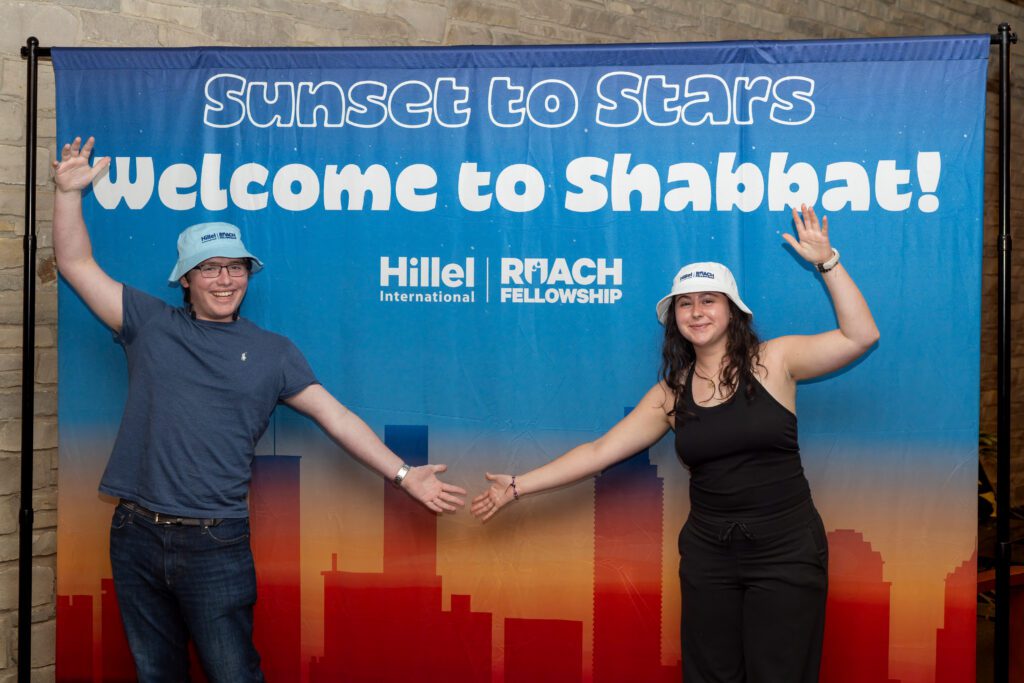
What does it take to lead an impactful Shabbat experience on campus? While it’s important to know the melodies and prayers, leading Shabbat also requires reading a room, adapting when plans change, and creating an experience that feels meaningful to the students participating.
Building those skills is at the heart of Hillel International’s Ruach Fellowship, a year-long program that prepares Jewish college students to become confident, creative leaders of Shabbat and other Jewish ritual and spiritual experiences on their campuses. The program, which was piloted last spring, will soon empower more than 150 Jewish students at 49 campuses to make Shabbat and holidays at their Hillels joyful and inspiring, through services, music, and celebrations. And this past week, 40 Ruach Fellows gathered outside Chicago for a Shabbaton designed to help them put those skills into practice as they gear up for the fall semester and the first Shabbat of the academic year.
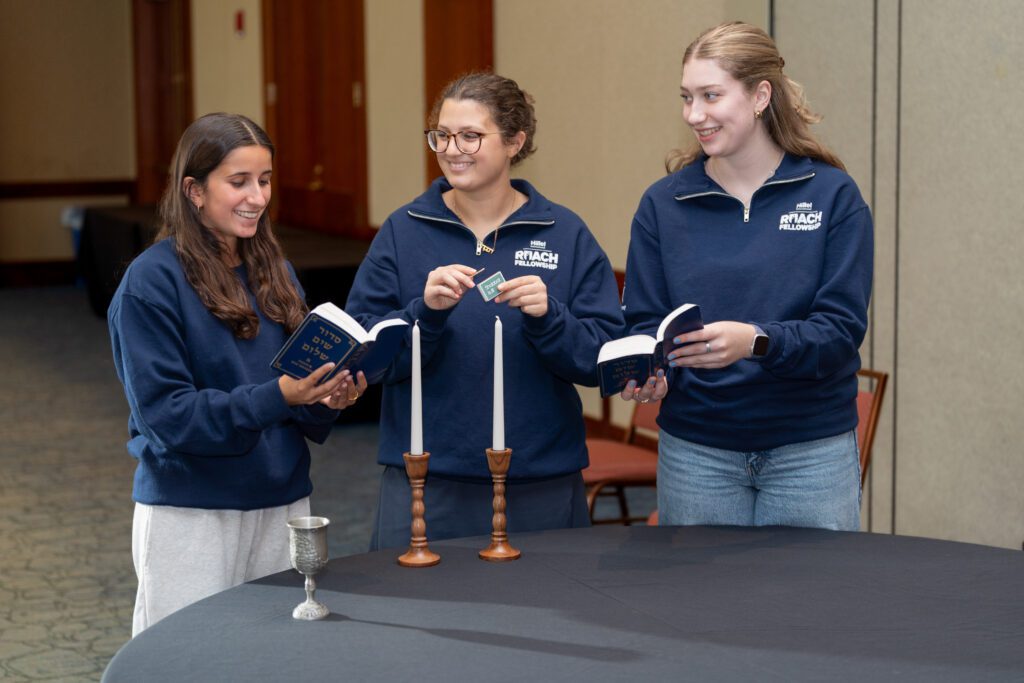
Over three days, fellows dove into big questions about Jewish leadership, belonging, and the role of prayer and ritual in cultivating community. They didn’t just study Shabbat leadership – they lived it, using the weekend as a laboratory to experiment, with many stepping into the role of prayer and ritual leader for the first time.
“The main modality that fuels this fellowship is learning by doing,” said Rabbi Dena Shaffer, director of Jewish education and ritual leadership at Hillel International. “Students receive training, coaching, and mentorship, and have the opportunity to apply their developing skills in real-time leadership, both with the cohort and on their individual campuses.”
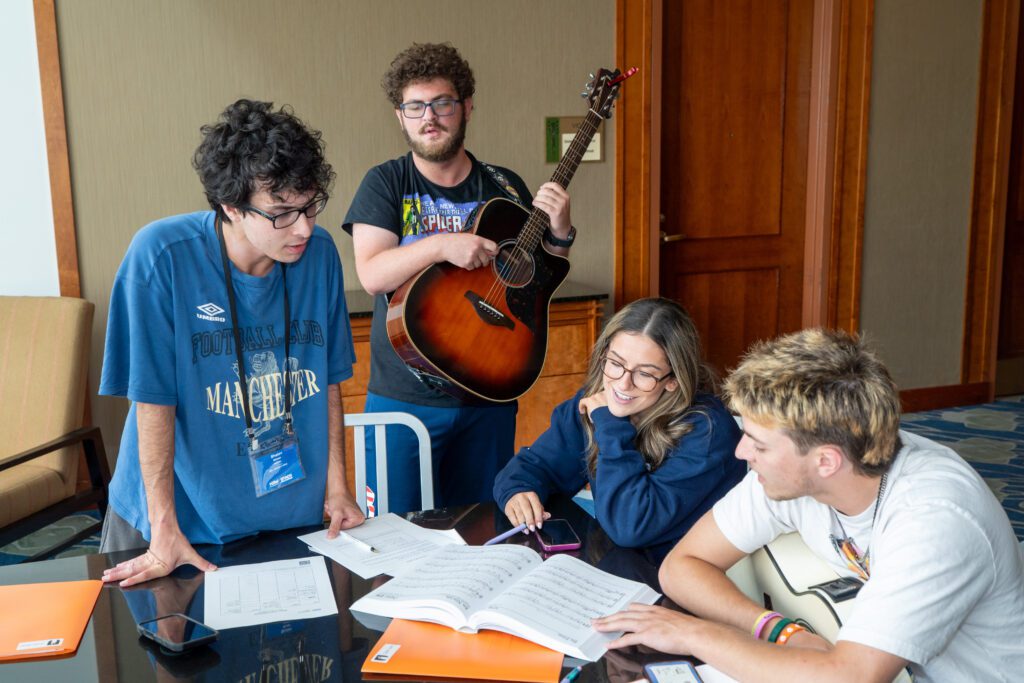
The Shabbaton began Friday with a day of learning with Clal, the National Jewish Center for Learning and Leadership. Fellows explored belonging and human-centered design, thinking beyond what happens during a Shabbat program to consider the holistic experience they are creating for the people who enter it. The fellows worked through tools to think intentionally about what Shabbat might become on each of their campuses.
Then came the Shabbaton’s “living laboratory.”
Throughout Shabbat, fellows took responsibility for creating ritual experiences for one another, from prayer and song to social time and Havdalah. It was an opportunity to bring months of learning together in an applied setting, encouraging the Fellows to try new things, stretch beyond what felt familiar, and grow in their confidence as leaders.
“I was so nervous when I was asked to lead Shabbat morning services,” said Nava Carlyle, a Ruach fellow from Washington University in St. Louis. “I’m so grateful for the encouragement of my friends and the Shabbaton leaders, because that service turned into the most meaningful and empowerful moment of the Shabbaton.”
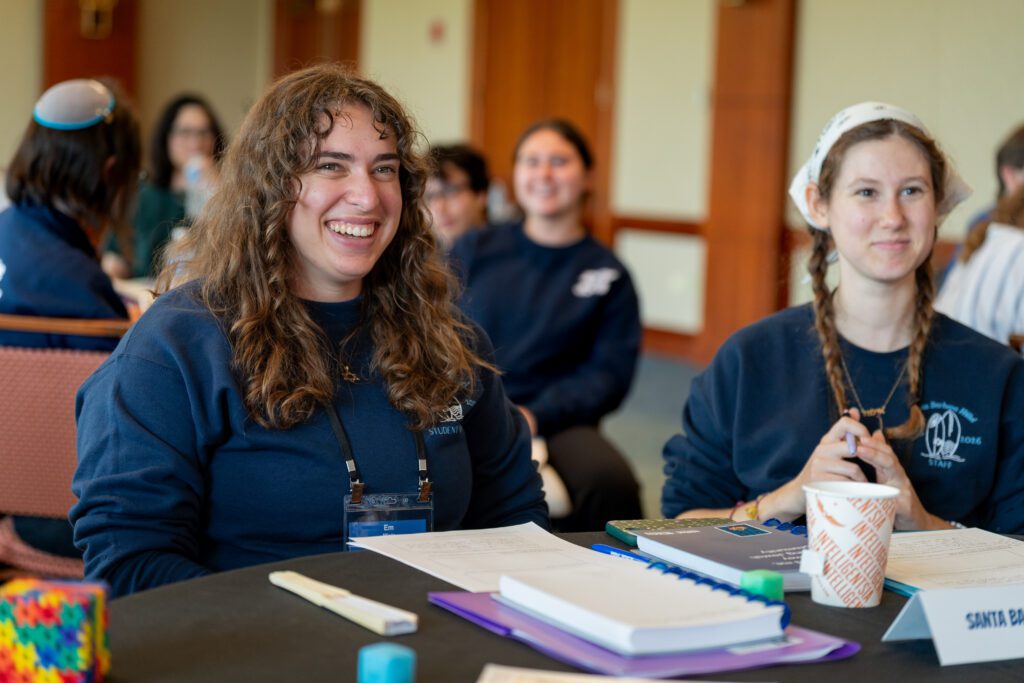
Experiencing productive discomfort is part of the point. Ruach Fellows encourages students to take spiritual “risks”: to step forward, experiment with new forms of leadership, and discover their own voices in Jewish ritual. They are learning to stand in front of their peers on campus as themselves and create an experience that resonates precisely because it comes from another student.
“I learned how important it is to make everyone feel welcome – all Jews, regardless of where you are from or who you are,” said Carlyle. “The community itself becomes stronger when we are all together, invested in each others’ experience, and dedicated to showing up.”
And they bring something to that work that no curriculum can teach. After all, they know their peers best, and they understand their campus culture, including what brings their friends together in a meaningful way and what can make an experience joyful and welcoming.
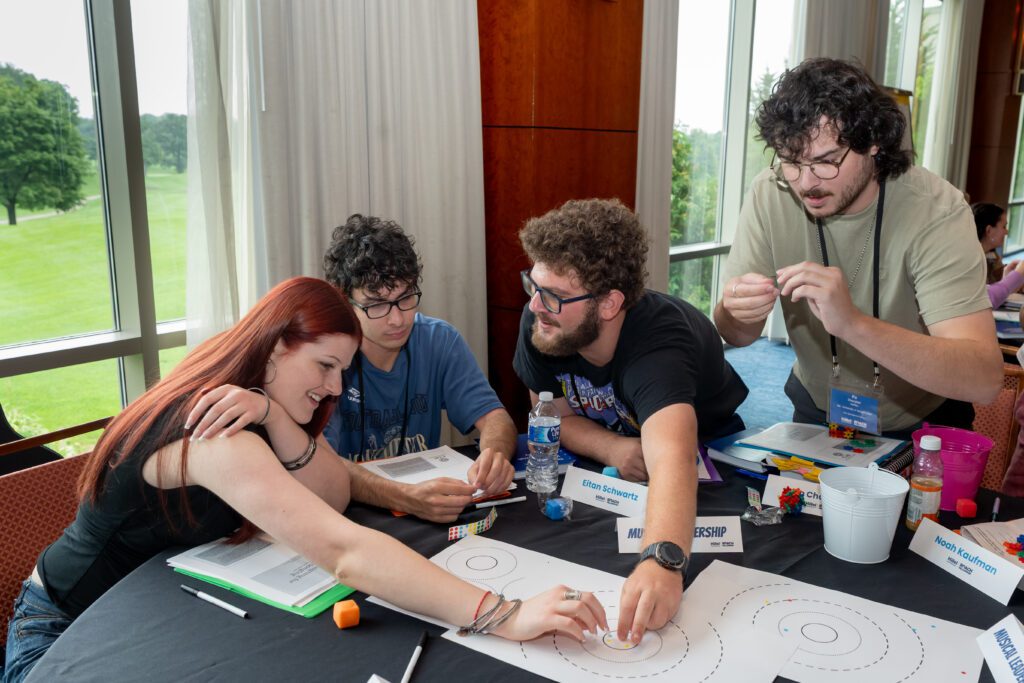
On the final day, fellows participated in an improvisation workshop with The Second City, Chicago’s long-time improv and comedy institution. Together, they practiced skills that effective ritual leadership requires: adaptability, vulnerability, communication, presence, and the willingness to take a risk in front of other people.
The Shabbaton is only one part of the fellowship. This fall, fellows will take what they practiced in Chicago and apply it through Shabbat impact projects on their campuses.
As they return to campus, they will encounter new students searching for community and returning students who are deciding what role Jewish life will play in their year ahead. Ruach Fellows will have an opportunity to make Shabbat and holidays magical and memorable from the very beginning.
Ultimately, the impact of the Shabbaton will be what happens at Shabbat across dozens of campuses this fall, when a Ruach Fellow looks around a room of their peers, understands what their unique community needs, and has the confidence to create it.