Seeing Israel Through New and Returning Eyes
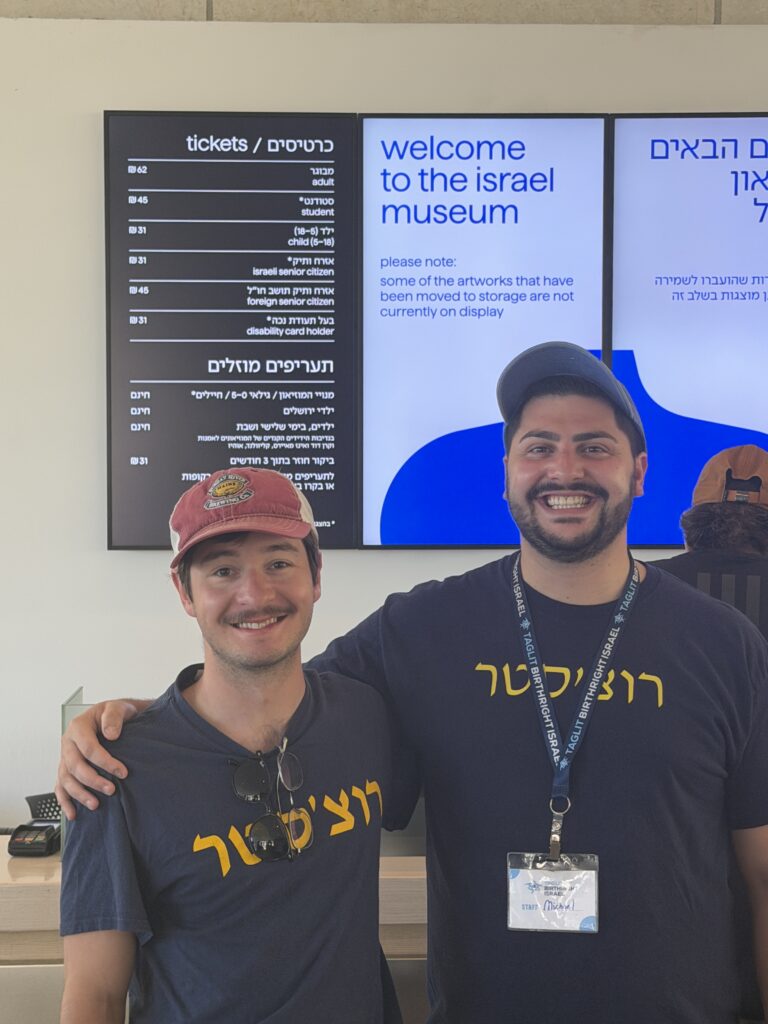
Michael Pollak is the Assistant Director at Hillel at the University of Rochester.
One of the greatest privileges of working in Jewish campus life is watching students have new experiences, seeing the moments that shape how they understand themselves and the world around them. This has been particularly true during Hillel’s Birthright Israel trips, which provide an incredible opportunity for students to experience Israel at a formative age alongside peers. As my colleagues and I prepare for this winter’s Birthright Israel trips, I’m thinking about the shifts I’ve seen and the lessons I’ve learned from the last three years.
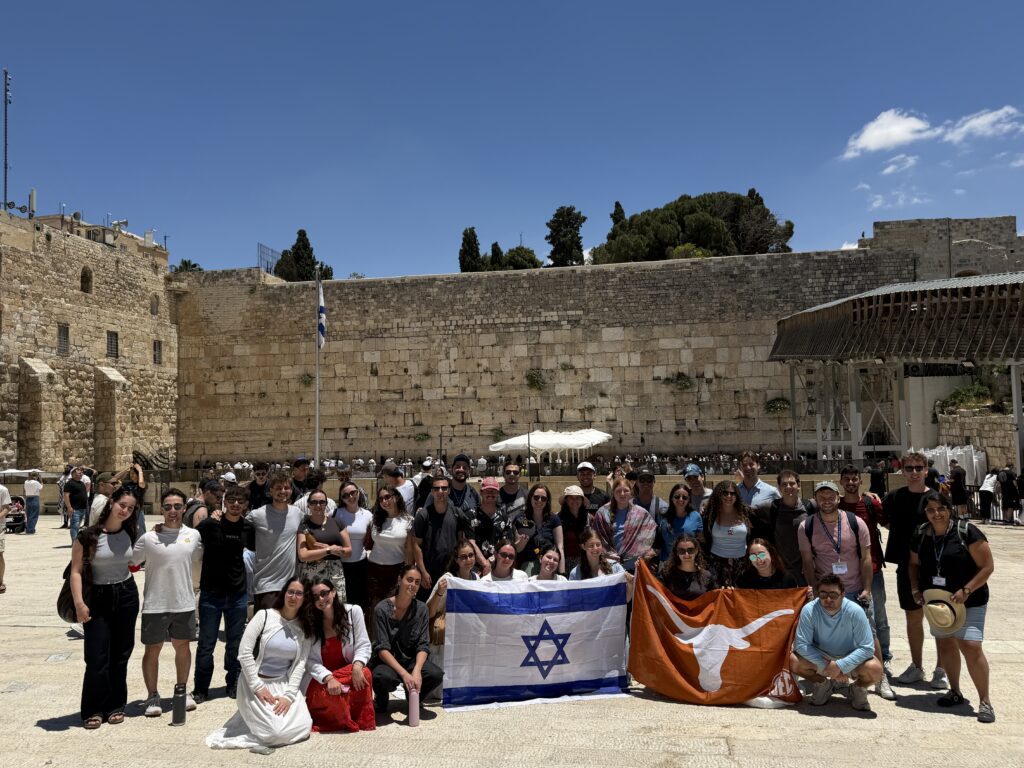
Over the years, I’ve had the joy of staffing multiple Birthright Israel trips, where most students visited Israel for the first time. But this past May, as I looked at the students on my bus, I realized that was beginning to change. For many families and students I interacted with, the October 7th attacks and the wars that followed heightened concerns about traveling to Israel, particularly among those who haven’t been to the country. As a result, an increasing number of students signing up for Birthright during these challenging times are returnees.
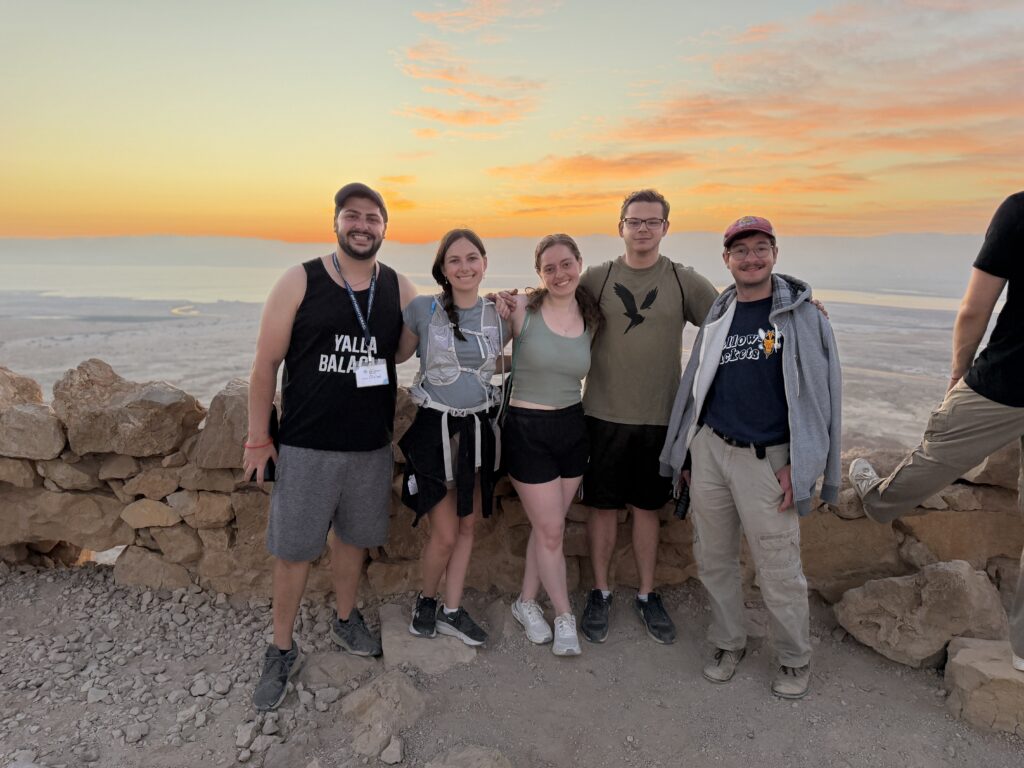
As a madrich, or trip staff member, that evolving landscape prompted new questions. If more students are arriving with prior Israel experiences, how does that shape the way we facilitate discovery? How do we honor the wonder of those visiting for the first time while also creating opportunities for returning participants to encounter Israel with fresh eyes?
Those questions stayed with me throughout the spring trip, and by the end, I realized they pointed to something larger than our itinerary.
Meaningful Jewish education is shaped not only by what students learn, but by what they experience. While facts, history, and tradition provide an important foundation, lasting connection is often built through relationships, shared experiences, and hands-on opportunities for personal reflection. As educators, our role is to create those moments and help students engage with Israel, one another, and their own Jewish identities in ways that are authentic, challenging, and deeply personal.
The trip challenged me to think about that responsibility differently. For first-time participants, there was still the excitement and awe that make Birthright so transformative. Watching students experience Israel’s history, landscapes, culture, architecture, and people for the first time remains an immensely fulfilling aspect of this work.
For returning participants, however, my role as a trip leader was different. Rather than asking what these students hadn’t yet seen, I found myself asking a more nuanced question: What hadn’t they yet experienced or learned? Sometimes that meant deeper conversations with Israeli peers or revisiting familiar places through a different lens. Other times, it simply meant stepping back and recognizing that while Israel may have been familiar, they themselves had changed since their previous visit.
One of my favorite examples came through something wonderfully simple. Early in the trip, we encouraged everyone to try one food they had never eaten before. There was no pressure, only an invitation to remain curious. Soon, participants were enthusiastically sharing everything they had discovered for the first time, from Ethiopian cuisine and knafeh to Bamba and other Israeli favorites.
It was a small activity, but it reflected a much larger lesson. Discovery isn’t dependent on visiting a place for the first time. It simply depends on a willingness to explore.
As the week unfolded, I also reflected on my own relationship with Israel. I’ve now had the privilege of traveling to Israel nine times, and I’m sometimes asked whether it begins to feel repetitive. In many ways, the opposite is true. Every visit has introduced me to new people, new conversations, and new ways of understanding places I thought I already knew.
I felt this deeply at the Nova Festival memorial, dedicated to the hundreds of people who were massacred at the site. I first visited it in 2024 during Hillel International’s Sippurim trip, where our purpose was to bear witness in the months following October 7th. Returning this year, I was struck by how much had changed. New walking paths guided visitors through the memorial. Additional stories of both tragedy and resilience had been incorporated. New exhibits and reconstructed spaces offered a deeper understanding of what unfolded there. I found myself wondering how the memorial will continue to change when I return in the future.
Returning to Israel reminded me that life itself is never static. The country continues to evolve, heal, wrestle with difficult questions, and write new chapters every day. During our time there together, the students and I saw it through a different perspective than before, shaped by time, experience, and conversations.
By the end of our trip, many returning participants shared that they hadn’t expected the experience to feel so different. They spoke about the friendships they built, the Israeli peers they met, the deeper discussions they had, and the stories that reshaped their understanding of places they thought they knew.
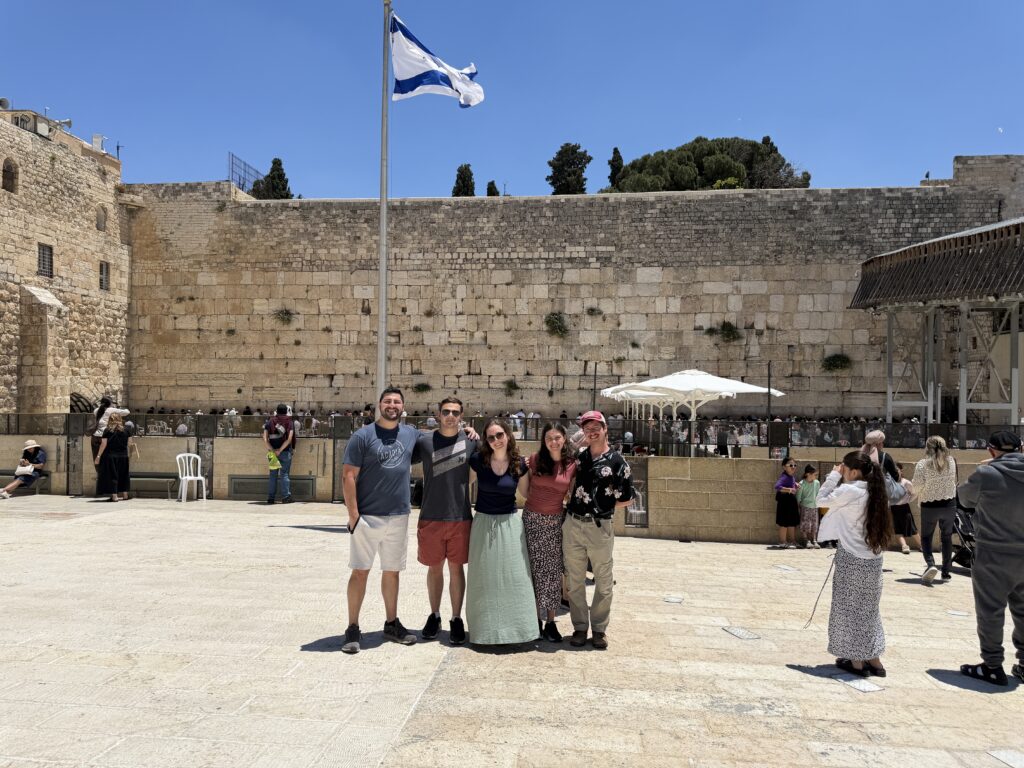
For those who have never been to Israel, the invitation remains as meaningful as ever: Come. Build friendships, explore Jewish identity, engage with Israel’s complexities, and begin to discover a personal connection to the Jewish story.
For those who have been before, the invitation can be different: Come back. Not because you missed something the first time, but because both you and Israel have continued to grow.
In academia, we often talk about meeting students where they are. This experience reminded me that we are called to do the same with Israel itself and, perhaps, with Jewish education more broadly. Whether someone is seeking a first experience with Israel or deepening their understanding of it, our role is to create conditions for discovery, helping participants ask deeper questions, build meaningful relationships, and learn with renewed curiosity.