The Story Behind the Omer: Building a Community of Freedom and Joy Through Hillel
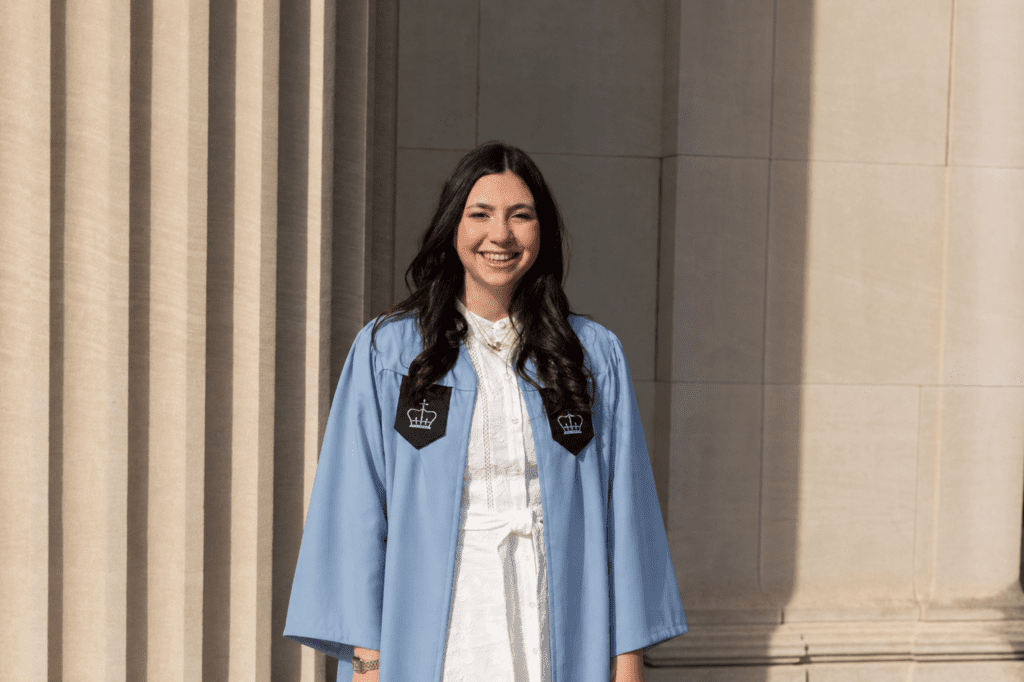
Rebecca Massel is a fourth year student at Columbia University, studying political science and history. She serves as the student body president of Columbia Barnard Hillel.
We are currently in the middle of the time period known as the Omer. From the second night of Passover through the holiday of Shavuot, we count 49 days, the number of days it took the Jewish people to travel from slavery in Egypt then to receive the Torah at Mount Sinai.
Which raises a question: why those 49 days? Why did God leave the Jewish people wandering in the desert without the Torah for so many days?
If this were a Steven Spielberg movie, the story would be tighter. The Jewish people are slaves in Egypt. God sends ten plagues, splits the sea, and on the other side: fireworks, lights, the giving of the Torah. Roll credits.
Why wait 49 days for the climax of the entire story of Jewish nation-building?
I want to suggest that those 49 days are not a pause in the story. They are the white space where the story happens. They are the story.
When God freed the Jewish people from Egypt, He freed them from grueling labor, from cruel masters, from schedules and instructions imposed on them by someone else. The philosopher Isaiah Berlin would call this freedom “negative liberty,” meaning the absence of coercion by others.
God gave the Jewish people freedom from. For the first time in generations, they could do whatever they wanted.
To a different degree, this is the type of freedom most first-year college students feel for the very first time. They arrive on a new campus filled with endless possibilities. No parents or high school teachers telling us what to do. We can be whoever we want to be.
And it took the Jewish people 49 days to embrace their freedom, but also to realize what was missing.
They needed something to ground them. Something to give their lives purpose. Someone to turn to during the wars and hardships still ahead in the desert. And so on the 50th day, the Jewish people embraced what Berlin called “positive liberty,” the freedom of self-mastery. Not what they were free from, but what they were free to do. They chose God and His Torah. And that Torah has walked with the Jewish people, through thick and thin, ever since, giving us tradition, love, and a moral compass.
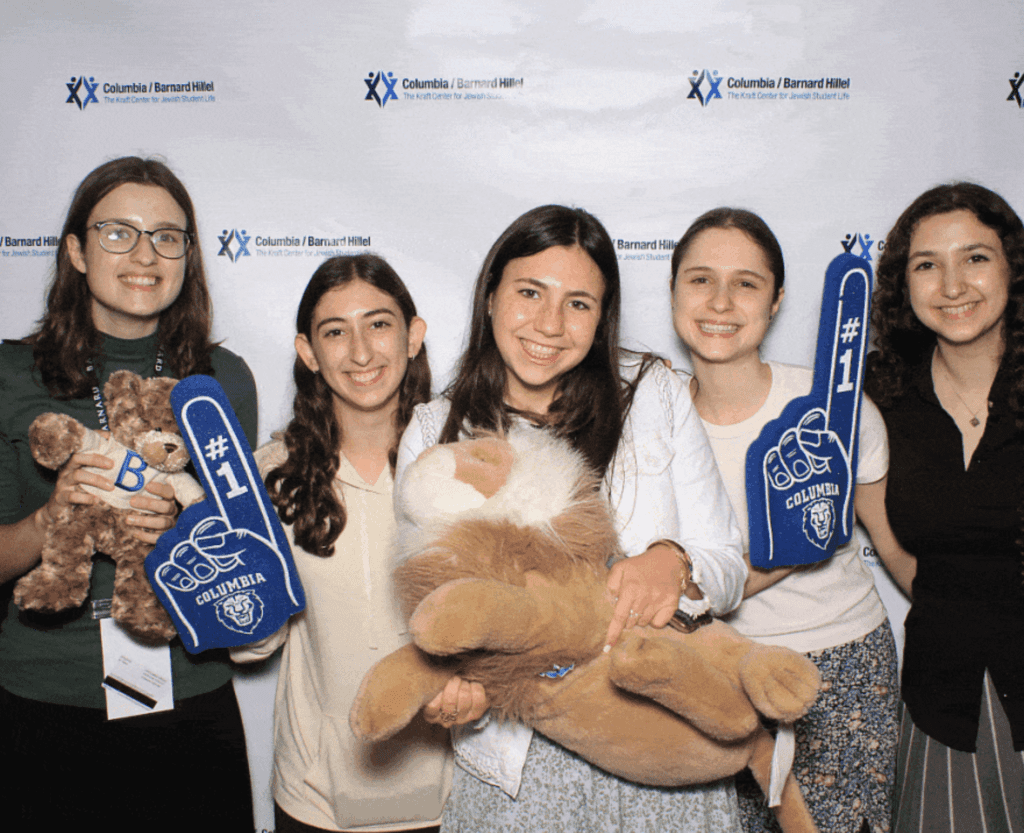
For Jewish students arriving on college campuses, Hillel is often the first place that “freedom to” is able to take shape.
When I arrived my freshman year, Columbia Barnard Hillel was waiting with a mezuzah during move-in. They provided me with the infrastructure I needed to be an Orthodox Jew on campus, including a thriving observant community. At Shabbat dinners and Mega Shabbat, I met peers with completely different connections to Judaism than my own, and together we dove into rich theological conversations. Hillel gave me the opportunity and freedom to think deeply and widely about what I wanted to accomplish, both in my educational journey and my community.
My experiences at Hillel didn’t just complement my Columbia education, rather they deepened it. The lessons I learned at Hillel gave meaning and grounding to everything I studied.
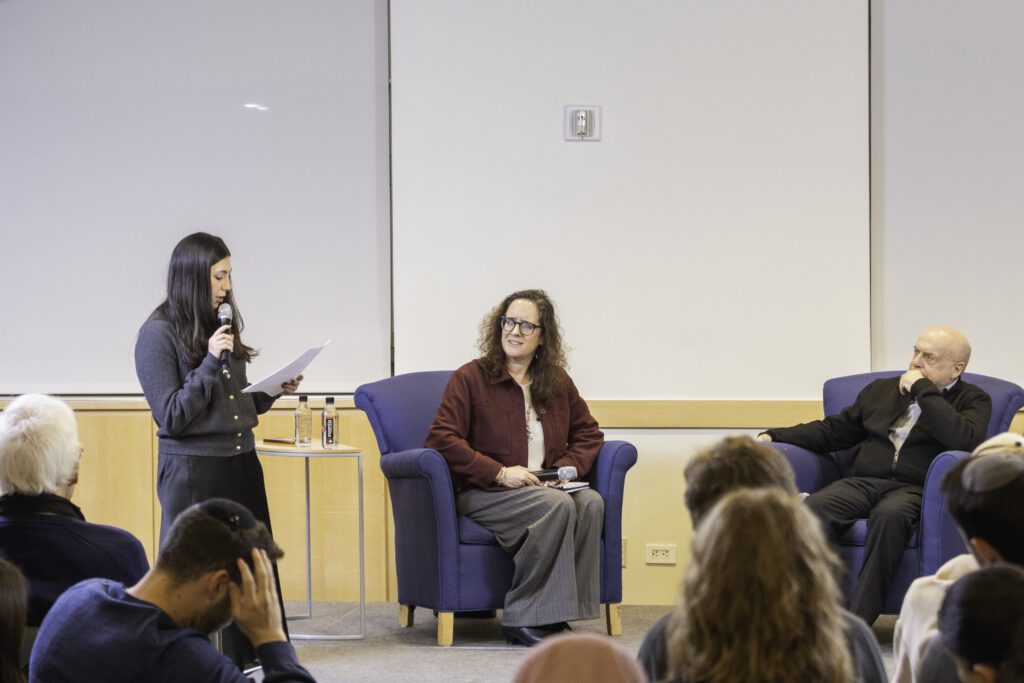
Unfortunately, my time at Columbia was also marred by adversity as the landscape for American Jews, and Columbia’s Jewish students, shifted dramatically in the aftermath of October 7th. Using the real world education I received in both my classes and at Hillel, I spoke up by reporting extensively on campus antisemitism and the anti-Israel movement as an editor at the Columbia Daily Spectator, our student newspaper.
And through it all, Hillel was there. Brian Cohen, our incredible executive director, worked tirelessly to keep us safe and included in campus life. Our Hillel staff offered us warmth, open hearts, endless hugs, and food. They helped us process the disruptions, encampments, and arrests, and through it all, helped us become more resilient Jews.
At the end of the 49 days of the Omer, once the Torah was given, the Jewish people wandered in the desert for 40 more years. They faced wars, hunger and discomfort. But they were never alone, because they had the Torah and a sense of purpose that no enemy could take from them.
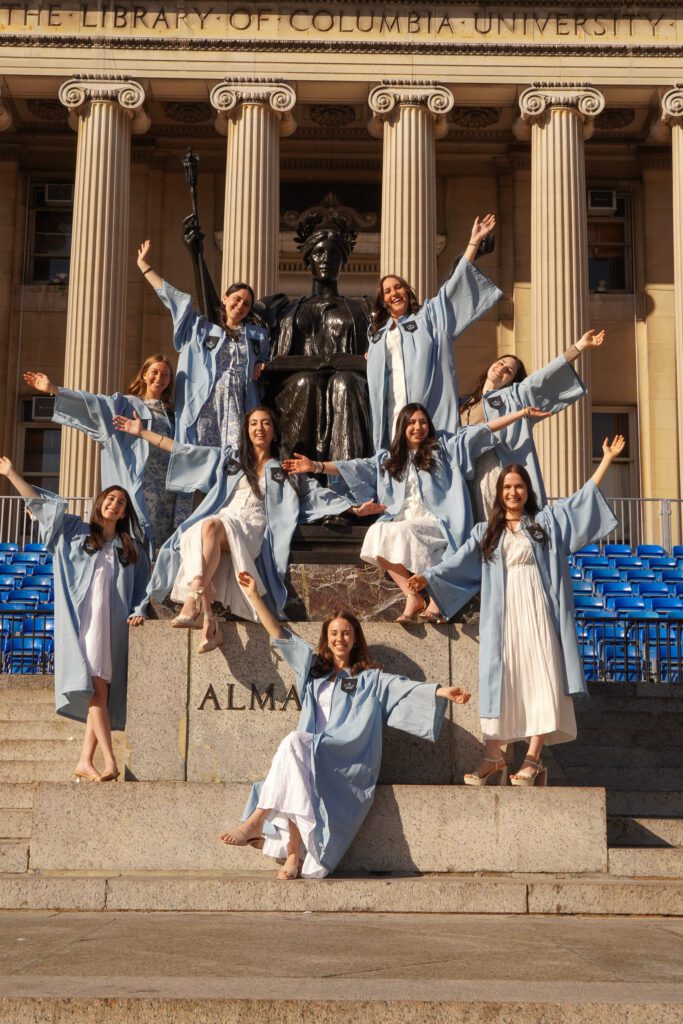
That is what Hillel has been for me, and for Jewish students on campuses across the country. In a moment of uncertainty — when our campuses can feel like a desert of their own — Hillel is the structure, the community, and the moral compass that turns “freedom from” into “freedom to.” Freedom to learn and to lead. Freedom to be proudly, joyfully, and unapologetically Jewish.