Three Shofar Blasts: A Story of Resilience for the New Year
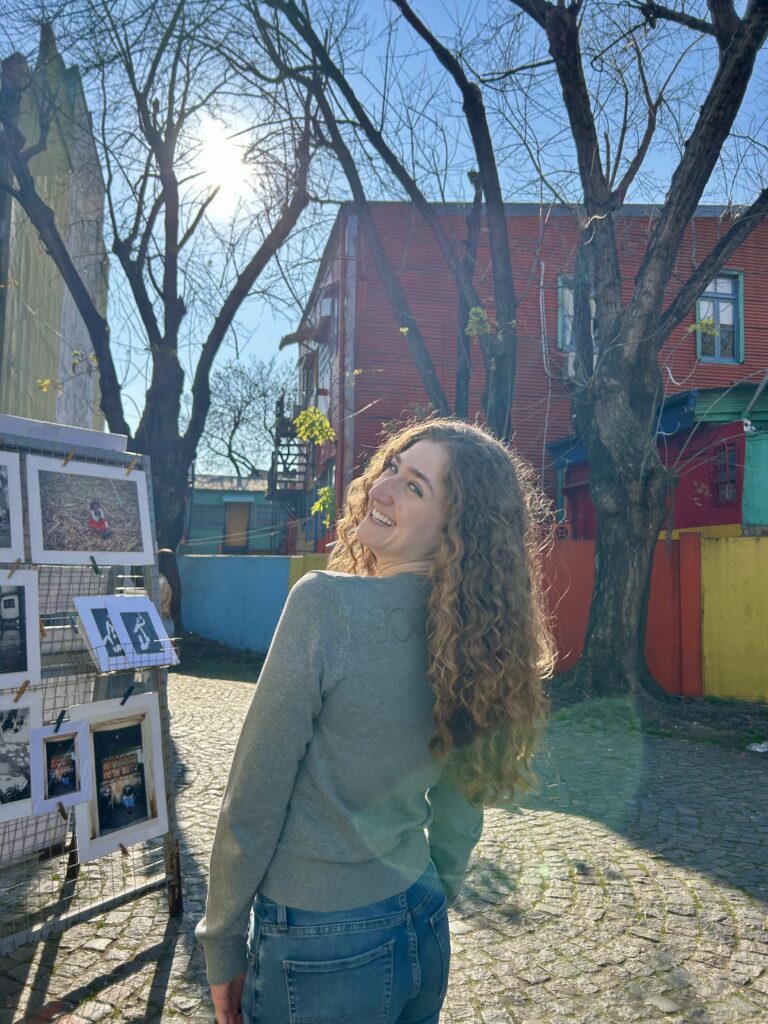
Yael Klucznik is the Springboard Fellow at the Hillel at The George Washington University (GW Hillel).
My summer resembled a series of three shofar blasts: a tekiah – a long continuous blast, shevarim – three shorter blasts, and teruah – nine short blasts. Like a tekiah, my plans for the summer were steady and clear: I was going to Israel with Hillel International’s Sipurim program. This was a chance to deepen my Israel education curriculum, learn about the aftermath of October 7, 2023 and its impact on Israeli society, and connect with dozens of colleagues from around the world.
And another thing pulling me to Israel? After a semester of running A Taste of Judaism, my Jewish food exploration initiative at GW Hillel, I wanted to bring students an even more immersive experience. I had seen how food sparked curiosity and connection, but my students kept asking, “Can we make the dishes ourselves?” So I dreamed up the next iteration: an educational cooking series built on Jewish cultural foods.
To prepare, I extended my Israel trip two extra weeks to study four Jewish unique communities: Soviet, Yemeni, Iraqi, and Ethiopian. Through cooking classes, food tours, and museum visits, I was going to get a glimpse of their unique cultures and cuisines. I had even arranged a private food tour with food writer Adeena Sussman’s assistant, Naama Malomet. My itinerary was set and my bags were packed.
And then the war with Iran broke out just nine days before my flight – the shevarim moment – and my trip was canceled.
The cancellation of my trip felt jarring and disorienting, like the bursts of sound of the shevarim blast. I was devastated. In addition to worrying about the safety of my friends and students in Israel, the disruption to my professional plans, and the loss of an experience I had been dreaming about, I also felt guilty. How was I supposed to create an inspiring program for my students without the learning I had planned to bring home from Israel? I was mourning not only the trip but also the vision I had built around it, like three broken shevarim notes echoing the cracks in my heart.
That week became my cheshbon hanefesh, a practice of taking an honest look of where we’ve been and where we’re headed. What mattered more: the specific plan that fell through, or the deeper purpose of creating meaningful Jewish connection for students?
When I walked into work the following Monday, my supervisor met me with compassion and challenge, asking “How will you bounce back?” That question became my awakening, my teruah.
Within days, an unexpected opportunity appeared: a last-minute spot on JDC Entwine’s “Inside Jewish Argentina” trip. The timing was perfect. The program aligned almost exactly with my Israel plans. And for me, Argentina isn’t just anywhere. I was born in Buenos Aires, and Spanish is my first language. My entire extended family still lives there. I decided to jump on the opportunity that this opening gave me. Three days later I paid the program fee, booked my ticket, and called my family with the news: I was coming to visit. That rapid, breathless burst of energy that pushed me to act, adapt, and seize an opportunity was my personal teruah.
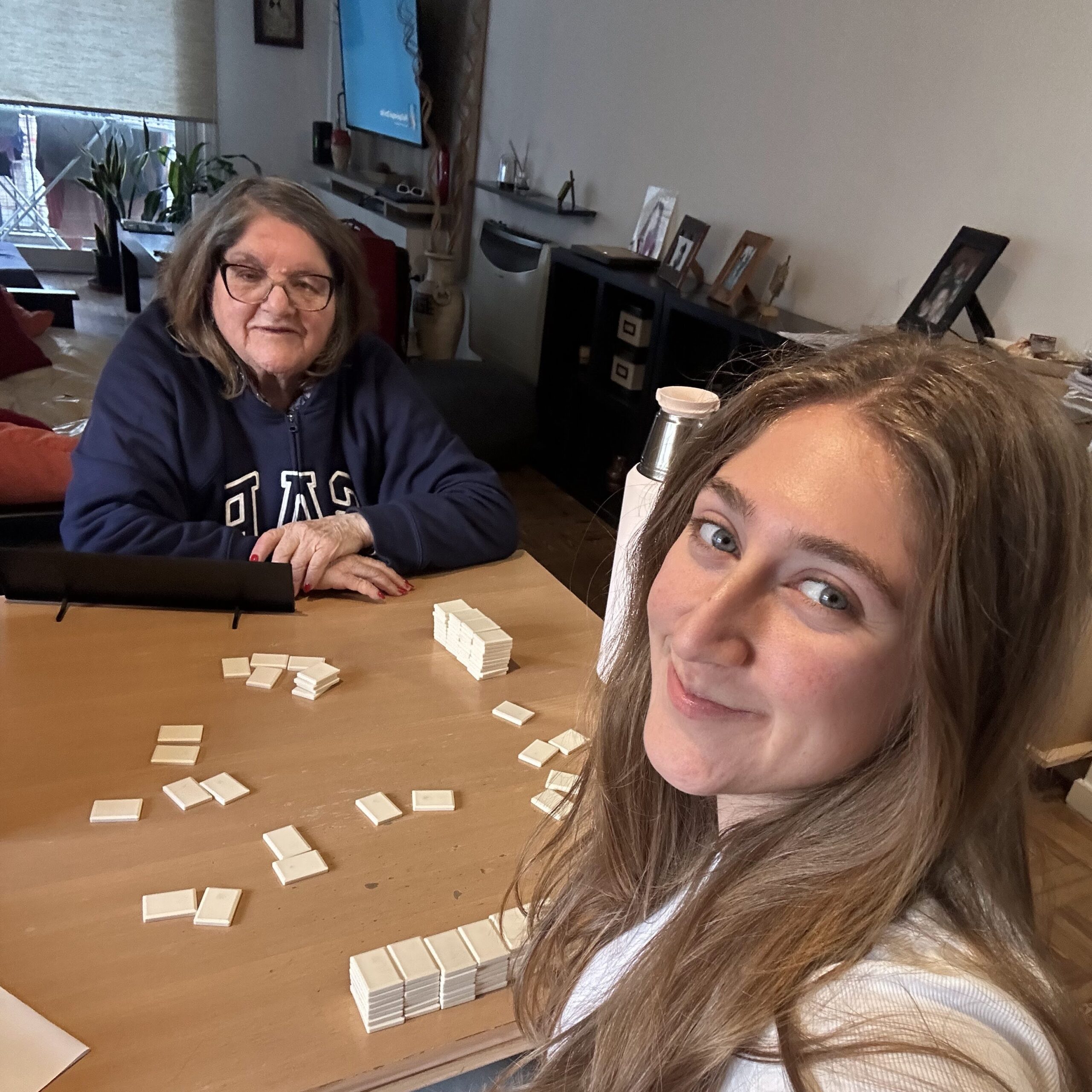
The rollercoaster of those two weeks was dizzying. I felt a combination of devastation to gratitude, fear to hope, loss to renewal. Gam v’gam — this and also this — all can be true at once.
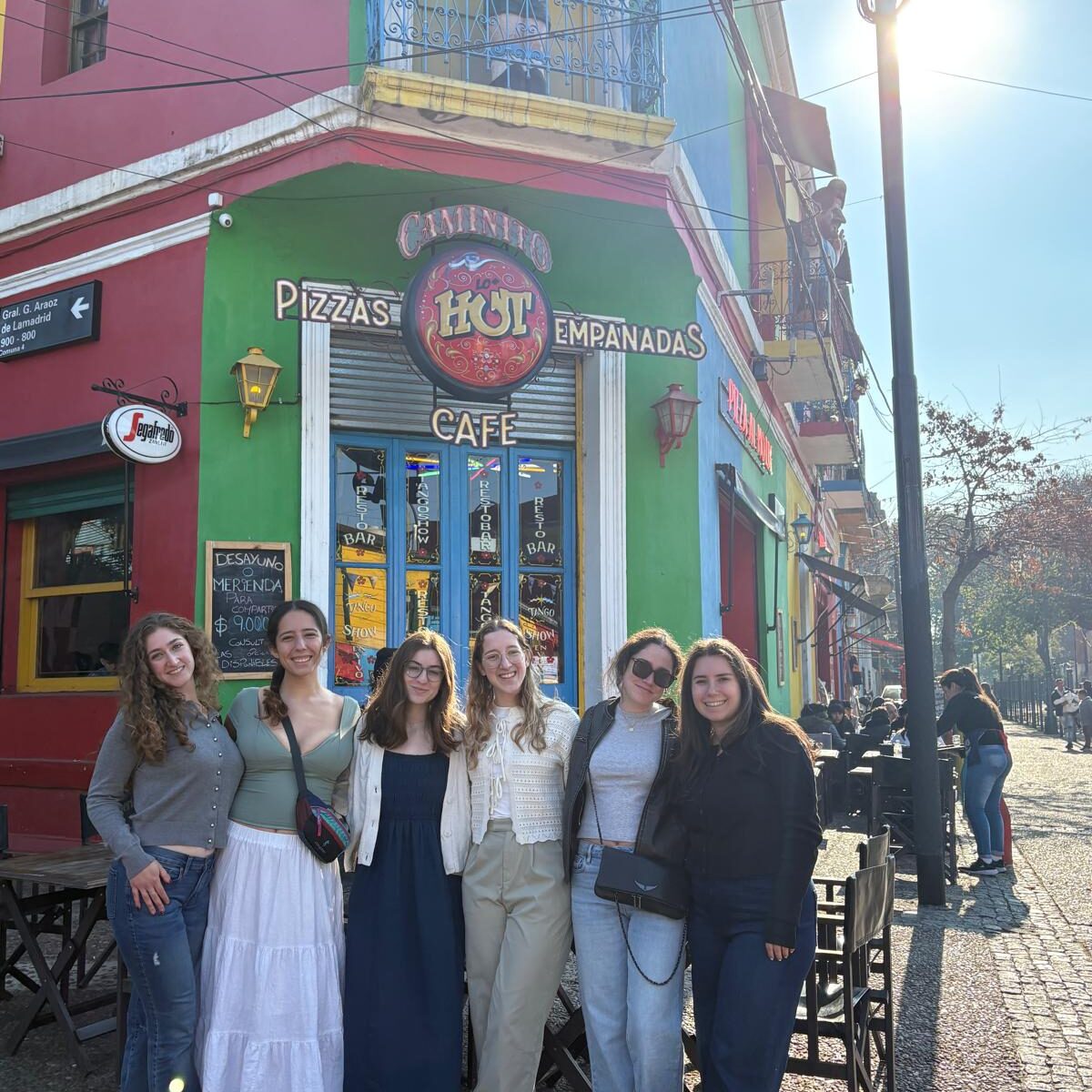
The Entwine trip turned out to be profoundly meaningful, in ways I could never have planned. Our group visited the AMIA building, the site of the 1994 bombing that killed 85 people. I stood in front of the memorial wall, realizing how my own family’s story was impacted by Argentina’s painful history of terrorism. I listened to young leaders at Moishe House and Casa Malka who are building joyful Jewish spaces despite economic uncertainty. I danced tango at Hillel Buenos Aires and laughed with students whose lives looked so different from mine, yet whose sense of Jewish pride felt instantly familiar.
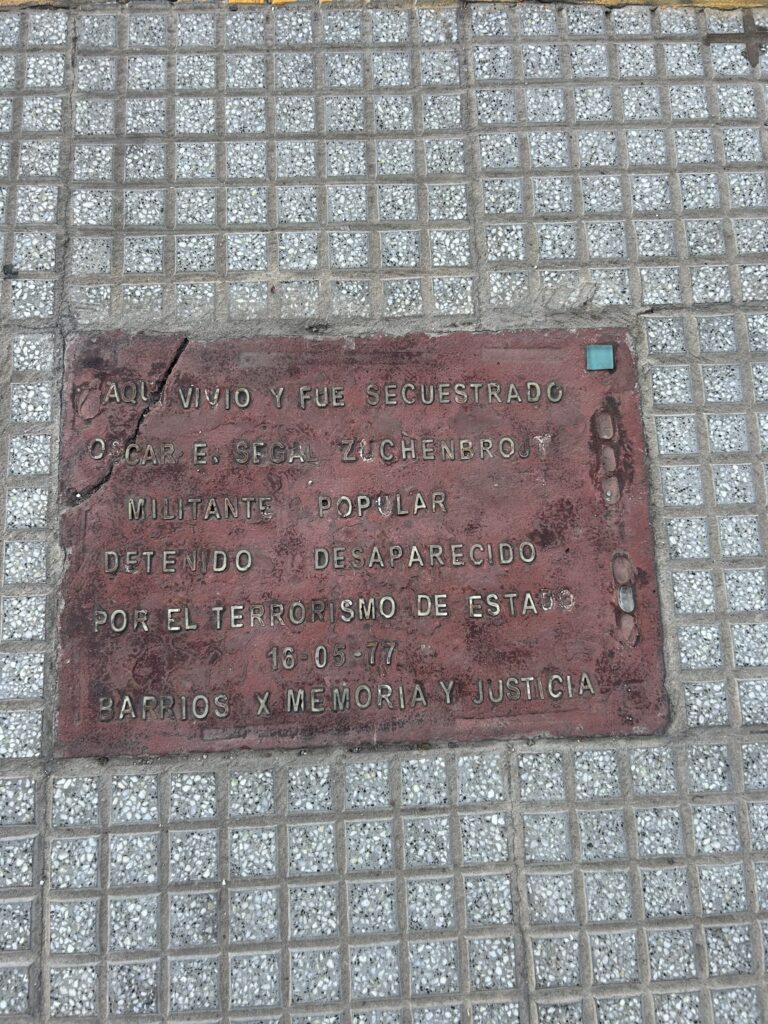
There were moments of deep personal connection too. I saw the schools where my parents studied, the synagogues where they celebrated milestones, even the very street where my grand-uncle was kidnapped during Argentina’s military dictatorship of 1976-1983. Each stop felt like another piece of my own puzzle clicking back into place.
A few months earlier, a student had asked me: Where would you place your Argentine identity compared to your Jewish one? At the time, I leaned heavily toward my Jewish identity, anchored in Israel. But after seeing the resilience, creativity, and vibrancy of the Buenos Aires Jewish community, the balance shifted. Today, I would say it’s 50/50, not because I feel less Jewish, but because I rediscovered the way my Jewishness is inseparable from my Argentine roots.
This is the essence of teshuvah, or return. Not just repentance, but a return to our truest selves. My canceled trip became an unexpected journey of teshuvah: returning not to Jerusalem this time, but to Buenos Aires, to family, to memory, to the resilience woven into my own identity, and to the triumph and unbroken sound of the tekiah.
This return is already shaping how I engage with students on campus. This fall, I will be weaving what I learned in Buenos Aires into my Mate Monday series, A Taste of Judaism, and even a new merienda-style program. Whether it’s sharing mate around a table on campus, cooking beef and corn empanadas, or pausing for an afternoon snack together, students will get a taste of the resilience and warmth I witnessed in Argentina’s Jewish community.
I left Argentina reminded that the Jewish people are nothing if not resilient. From Babylon to Spain, from Yemen to Buenos Aires, we have carried our traditions into every corner of the world, adapting yet holding fast to what matters most. I turned brokenness into chaos into grounding. From shevarim to teruah to tekiah, to teshuvah, my summer became its own shofar service.
So as we enter 5786, I carry this blessing and offer it to each of my students: may we each find resilience when life upends our plans. May we have the courage to return to ourselves, to our people, to our purpose. May our lives resemble that of the shofar blasts.