Hillel International Invests in Shabbat at More Than 130 Hillels
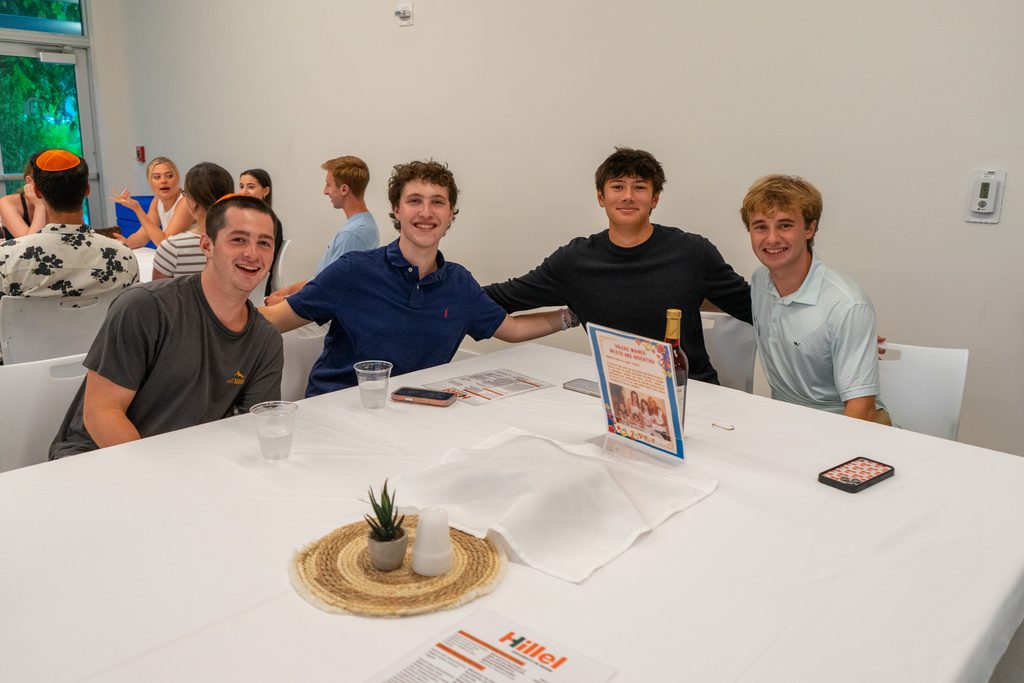
Imagine entering your campus Hillel on Friday evening, when immediately, the pace of the busy week – filled with classes, clubs, and work – starts to slow. The candles are lit, your friends are gathering around a table piled high with warm, comforting food, and for the next few hours, there’s nowhere else you need to be.
At Hillel, Shabbat offers Jewish students a chance to be fully present and fully themselves, surrounded by a proud Jewish community that feels like home. That’s why, this fall, Hillel International is investing in creating more of those moments through Shabbat Surge, a movement-wide effort to strengthen and enhance Shabbat experiences during the first six weeks of the fall term, when students are forming new routines, friendships, and connections to campus life.
More than 130 Hillels will receive grants to expand successful programs and experiment with new approaches to creating joy, connection, and community on Friday nights. The goal is to offer campus Hillels additional resources and support to think creatively about how to create compelling Shabbat experiences where every student can find belonging – and return to Hillel again and again. For some, that might mean making a Friday night dinner feel warmer and more intentional, bringing Shabbat out onto campus, or giving students more opportunities to shape traditions themselves. Together, those investments are helping Hillels bring even more students into Jewish life and community with programs that are welcoming, memorable, and impactful.
“There’s something really special about seeing students who might not otherwise cross paths sitting around the same table, laughing, talking, and creating community together,” said Ben Novorr, director of Jewish student engagement at University of Kansas Hillel. “This grant gives us a tremendous opportunity to dream big about what Shabbat can look like at KU Hillel.”

With support from Shabbat Surge, Novorr and his colleagues are expanding Midnight Oneg, which keeps Hillel’s doors open until 2 a.m. on Friday nights, to reach more than 100 students. This semester, they’re also adding a “Taste of Lawrence,” bringing in meals from local restaurants and giving students another way to experience the city they now call home.

But not every student will spend Friday night inside the Hillel building, and KU Hillel is expanding its Shabbat presence beyond its walls, too. Friday Night Hot Dogs will bring Hillel professionals to students who are already out on campus, with pop-up stands outside local bars serving kosher hot dogs to about 300 Jewish students each week. During home football games, a Shabbat Tailgate will make use of the new stadium’s proximity to Hillel to engage students on their way to the game.
Together, the programs create multiple ways for students to participate in Shabbat, in the ways that feel most natural to them.
“Shabbat at KU Hillel is a time when I can wind down from my hectic school week. I’m able to come together with my community and enjoy the company of others,” said fourth-year student Lindsay Shiller. “I look forward to Shabbat every week as a time to live fully in the moment with the people around me, not worry about anything else, and eat yummy food.”
For some students, the Shabbat experience has also become an opportunity for leadership. “Being able to come every week to Shabbat and also help shape it through my leadership role has been beyond meaningful for me. It has made my time in college so far truly wonderful,” said second-year student Teddy Harless.
At the University of Miami Hillel, one aspect to strengthening Shabbat is paying close attention to the details that make students want to stay.
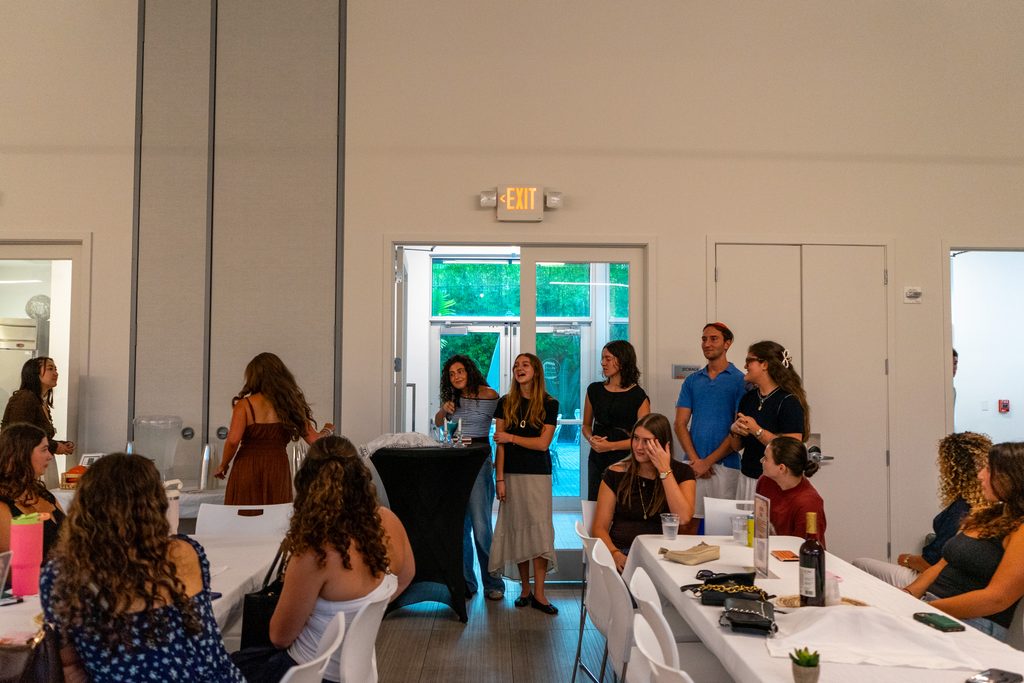
Executive Director Briana Schwarz and her team are rethinking the Friday night table itself, as well as other small changes. Plastic tablecloths are being replaced with real ones, while centerpieces sit on each table. Students will make dessert, and coffee and tea will be served after dinner. UM Hillel is also introducing special Hillel birkonim, prayer books with songs and blessings recited after a meal.

Individually, the changes are simple. Together, they are designed to make Friday night at Hillel feel warmer and more hospitable, inviting students to linger after dinner, deepen relationships, and take a more active role in creating Shabbat themselves. In fact, each detail responds to what students say they want from the experience.
“These thoughtful touches transform a weekly gathering into something that feels like home,” Schwarz said.
Second-year student Orli Schwartz understands why those details matter. “For me, I think what has made Shabbat feel the most transformative is having a proper set up with real tablecloths [and] centerpieces,” she said. “It makes it feel familiar, like home.”
At the Joseph Slifka Center for Jewish Life at Yale University, students themselves are helping shape that sense of connection.
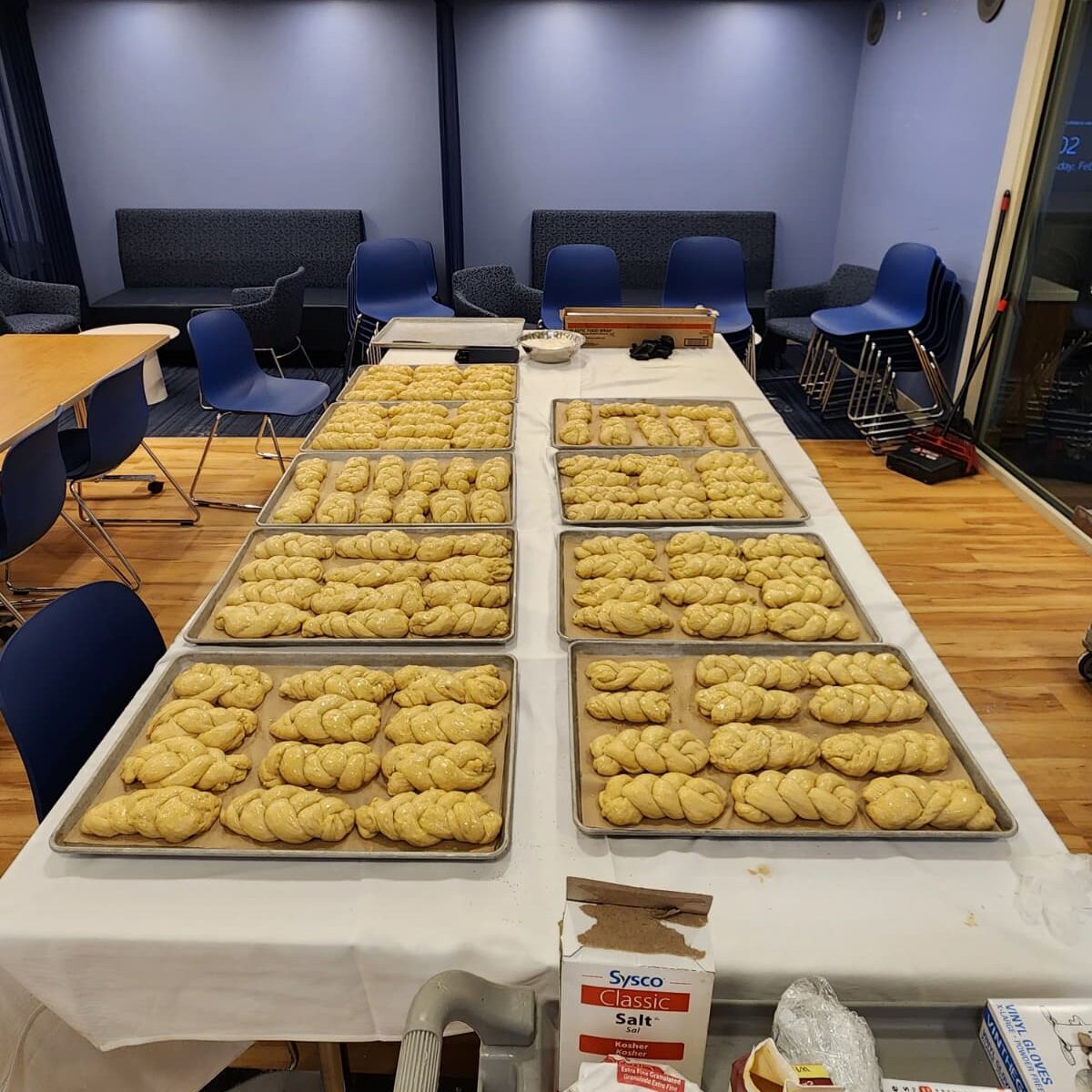
Every Thursday, students gather for a student-led challah bake that offers a casual way to step away from the academic pressures of Yale, spend time together, and prepare for Shabbat. With support from Shabbat Surge, Slifka will continue these weekly challah bakes while adding more student volunteers to make its larger Shabbat programs feel more personal. Friday night dinners will also feature themes throughout the semester, beginning with a Welcome Home Shabbat that is expected to gather over 350 students.
For Shabbat Chair Lizzie Fisher, those experiences create something that can be elusive during a packed week at college: uninterrupted time with friends.
“Some of my deepest campus friendships have grown out of Shabbat, whether through unexpected conversations over Friday night dinner or playing board games and pickup basketball with others on Shabbat day,” she said. “Having a space each week where I can step away from the constant pace of college and just be present with the people around me has been truly transformative to my experience on campus.”