Standing Up with Pride in Celebration of Asian and Jewish Heritage Month
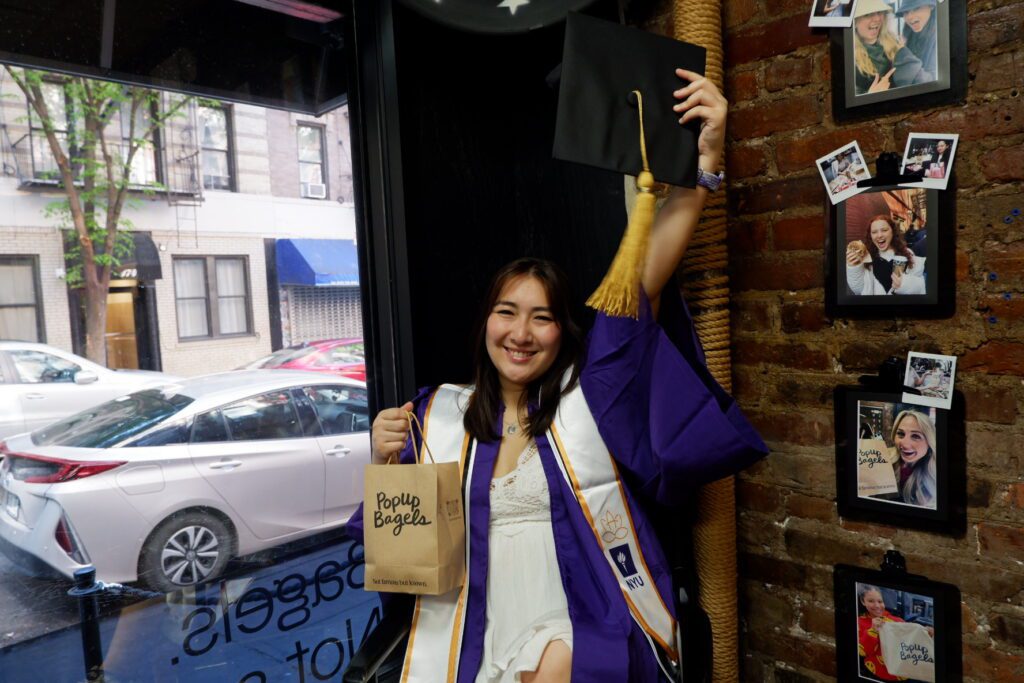
Aasia Gabbour is a graduating fourth year student at New York University (NYU). Aasia shares her story as an Asian Jew in honor of Jewish American Heritage Month and Asian American and Pacific Islander Heritage Month, both of which are celebrated in May.
I grew up in Cincinnati, Ohio, with a non-Jewish Chinese mom and a Sephardic Jewish dad. Judaism was a constant that was woven into my childhood. That meant Friday night Shabbat dinners at my grandmother’s house, Jewish summer camp, and USY events. Being Jewish was never something I questioned.
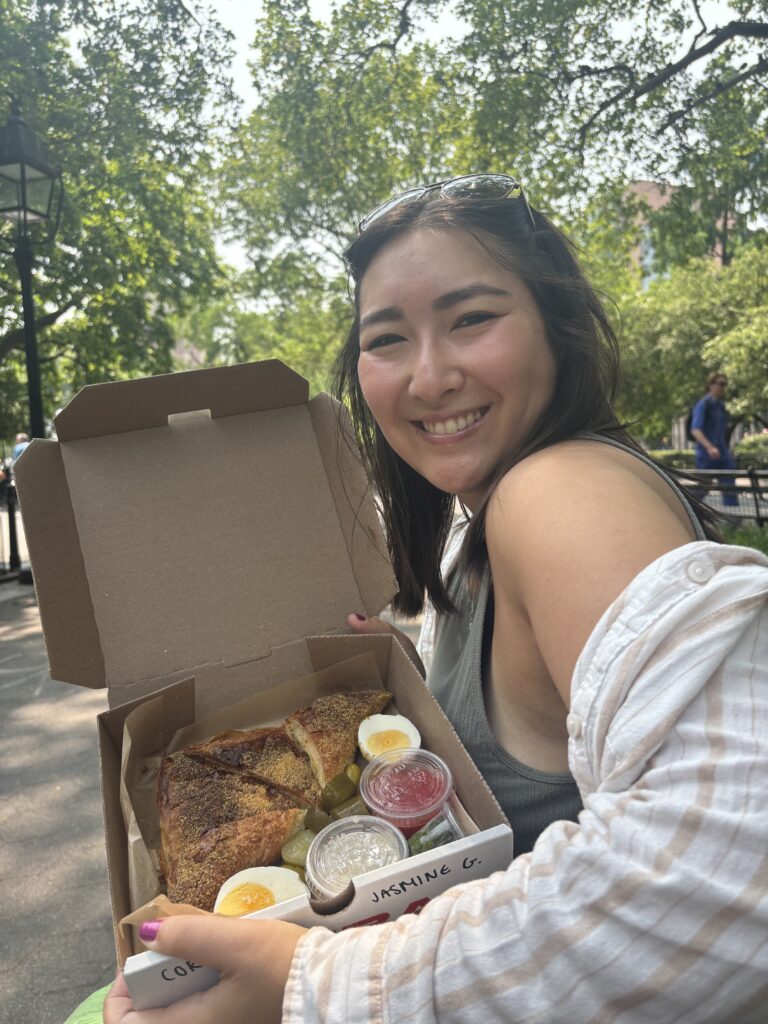
Yet I faced a barrage of questions about my Jewish identity from others. I got used to hearing the same reactions over and over again: “Wait, you’re Jewish?” “You don’t look Jewish.” “You’re really Jewish?”
Though I understood from a young age that Jewish identity was incredibly diverse, some people acted like being Asian and being Jewish were somehow incompatible.
Over time, I started leaning more into my Chinese identity, partly because it was the one other people seemed willing to recognize. I took Mandarin classes in high school and played the erhu, a traditional Chinese instrument, in a Chinese orchestra.
For most of my life, my identities existed in separate spaces. Music and language connected me to my Chinese side. Camp, synagogue, and Jewish social spaces connected me to my Jewish side. Before college, I had met one or two other Asian Jews in my entire life.
Then I went to NYU.
I became involved with NYU Hillel almost immediately, and before long, it became the center of my college experience. I started as an engagement intern during my second year and eventually became the senior engagement intern. I became president of Kehillah, our traditional egalitarian minyan; co-president of our Jewish a cappella group, Ani v’Ata; and an intern for Sababa Kitchen, a weekly NYU Hillel program that explores Jewish diversity and peoplehood through food.
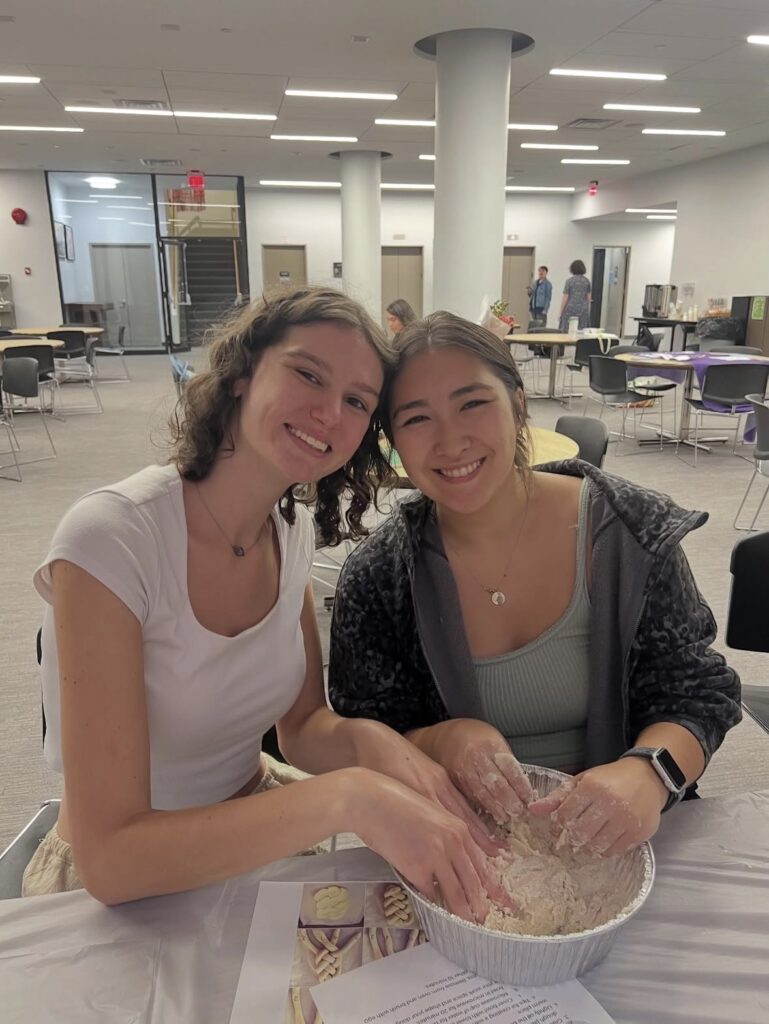
But the biggest shift wasn’t getting involved. It was finally meeting other Asian Jewish students and community members.
For the first time, I made friends with people who understood exactly what it felt like to constantly explain yourself. People who also grew up hearing that they didn’t “look” Jewish. People who knew what it was like to have others act surprised by their identity.
I cannot overstate how meaningful it was for me to find friends through Hillel who shared my life experience. Then, during my second year, something changed even more deeply. Our Springboard Fellow, Sofie, started a Jews of Color (JOC) club for Asian Jews, Black Jews, and Latinx Jews. Before that, I had never really imagined a space intentionally built around those experiences. Walking into that room for the first time, I felt seen in a way I hadn’t before.
And I didn’t want that feeling to disappear.
When Sofie’s fellowship ended, I pushed myself out of my comfort zone to keep the group going. I wanted other students to have someone they could turn to, someone who could connect them to a larger JOC community, whether that meant attending events together or simply joining a group chat where they could feel understood.
I no longer just saw myself as someone looking for community. I saw myself as someone responsible for building it.
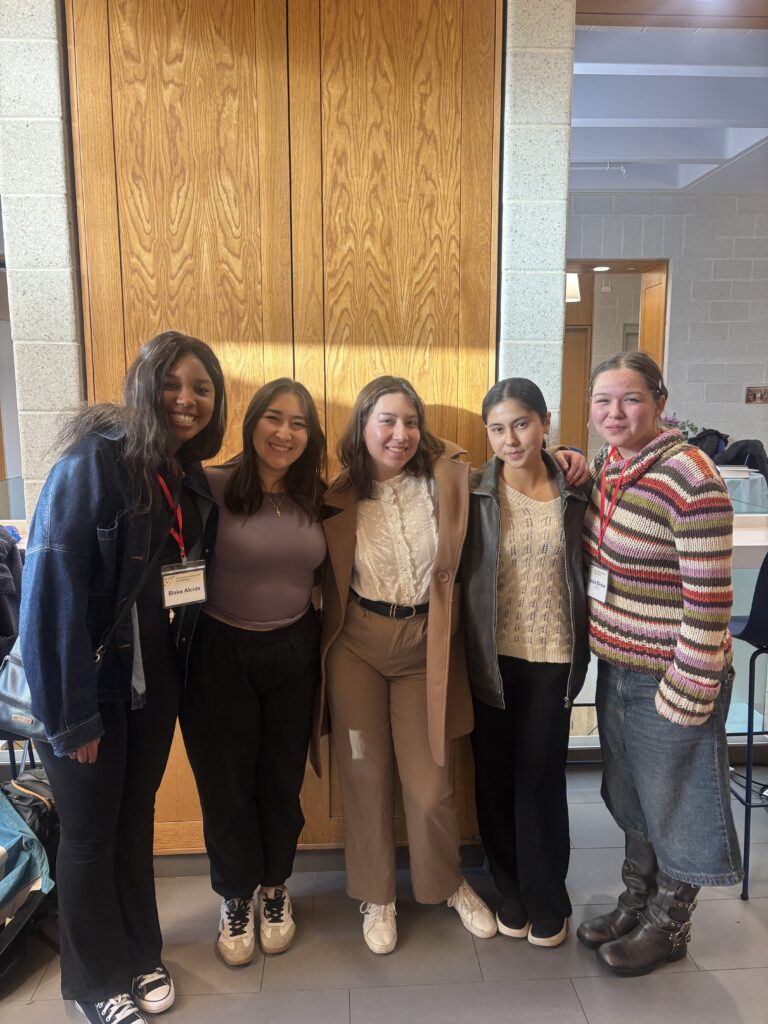
That feeling became even stronger this past fall when I helped organize the first-ever Asian Jewish Shabbaton at Yale University. More than 500 students from more than a dozen colleges and universities attended. Walking into a space filled with hundreds of Asian Jews was emotional in a way I still struggle to describe.
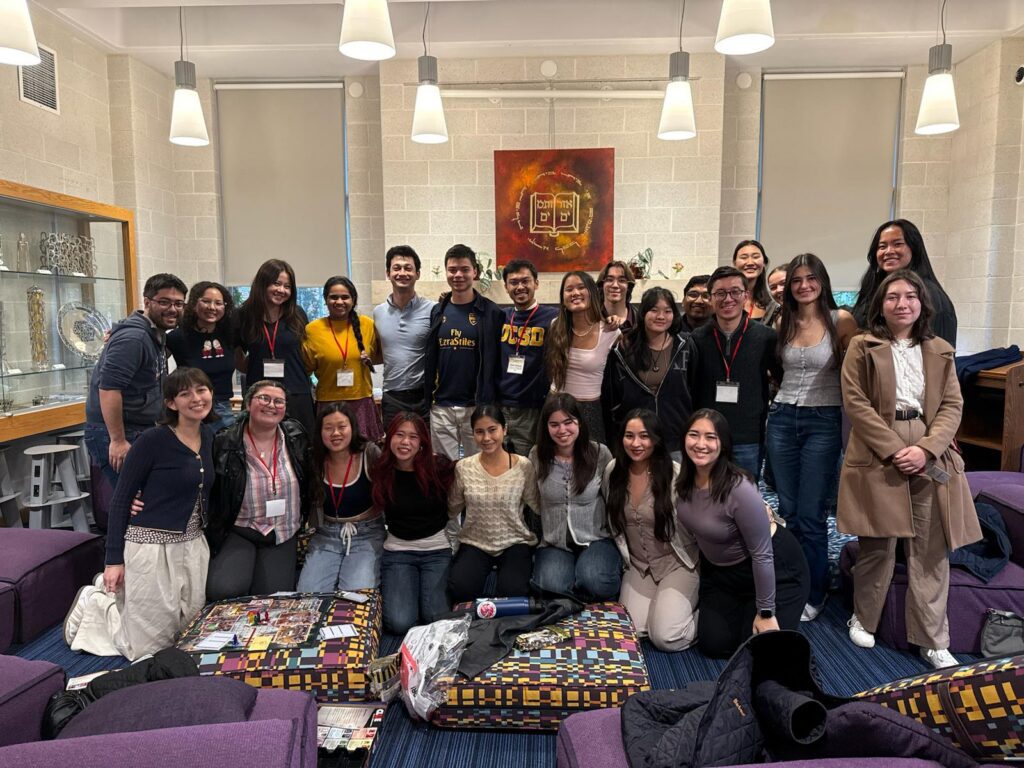
We talked openly about the complicated parts of our identities, the assumptions people make about us, and the loneliness many of us had experienced growing up. But we also celebrated. We laughed. We prayed together. We built something joyful together.
And the impact didn’t stop there.
Recruiting students for the Shabbaton helped me connect with even more Asian Jews at NYU. We started our own group chat. We began hosting gatherings and creating spaces for each other on campus. At the same time, I became more involved in bringing diverse Jewish traditions and cultures into broader Hillel programming, whether that meant incorporating a Spanish-speaking themed Shabbat or hosting an Asian Shabbat dinner with Chinese food.
What I’ve learned is that representation changes people. Sometimes all it takes is seeing someone who shares your experience to realize you belong here too.
If I could give advice to incoming Asian Jewish students now, as a senior preparing to graduate, I would tell them not to wait for permission to build the spaces they need.
If something feels missing in your Jewish community, and you know other students may be craving it too, don’t be afraid to step forward and create it. That first step can feel intimidating. But you might be gratefully surprised by how much of an impact you can have by simply standing up with pride in who you are.