Bringing Shabbat and Community to Campus with the Ruach Fellowship
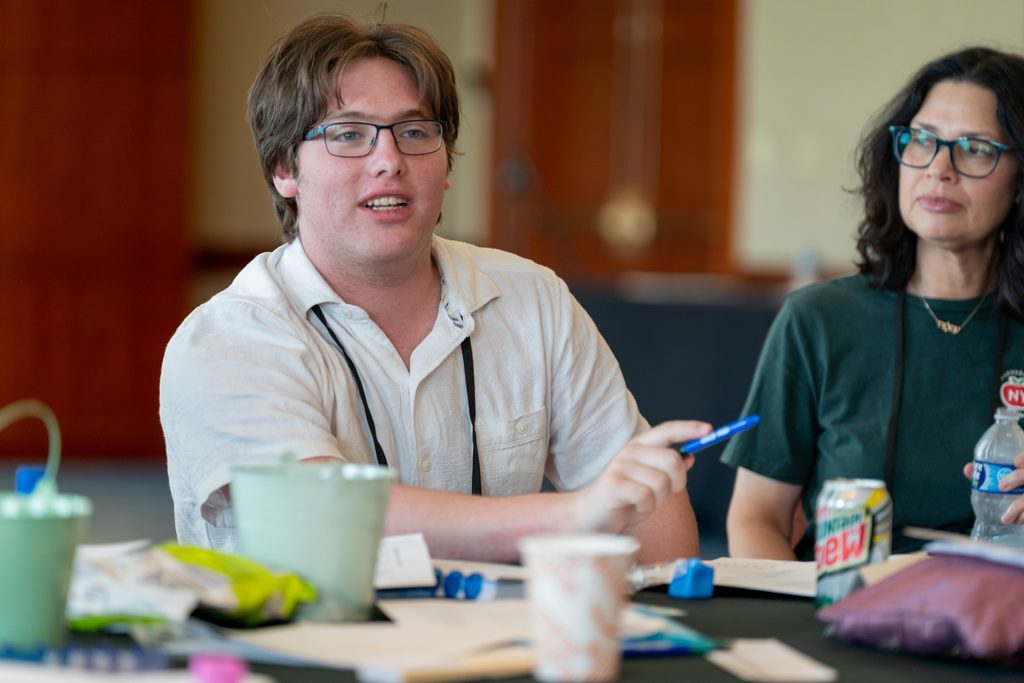
Andrew Austrager is entering his second year at the University of Massachusetts Amherst, double majoring in hospitality and tourism management and English, and is also in the Commonwealth Honors College.
Hundreds of miles, dozens of events, and it all led to the Ruach Fellowship. I’m getting ready to go back to school, but I’m still thinking about what I learned on my first trip to Chicago for the Hillel International Ruach Fellows’ Summer Shabbaton this August.
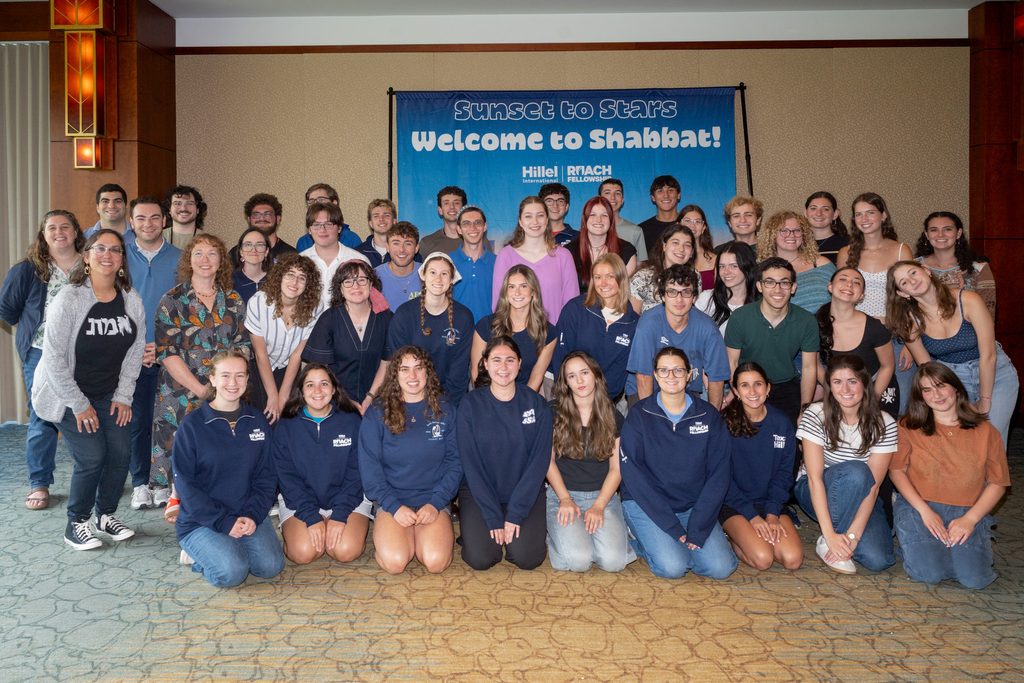
As a Ruach Fellow, I’m spending the year learning how to create and lead meaningful Jewish experiences on campus, especially around Shabbat and holidays. I’m one of more than 150 students from nearly 50 campuses participating this year, and this summer’s Shabbaton gave us a chance to come together, learn from each other, and get more comfortable leading different kinds of Jewish ritual and spiritual experiences. For me, it was a chance to think more deeply about what makes Shabbat meaningful and how I can bring some of that back to my own Hillel.
Over three days of team and skill building activities, services led by other fellows, and time spent with students from across North America, I came away with a better understanding of the purpose of this fellowship: Shabbat means something different to everyone, and we can find that meaning in different ways.
Each of the 40 fellows who attended had an assigned role during the weekend, from organizing an oneg or Torah reading to leading Shabbat morning services. But some of the most meaningful moments happened spontaneously. On the first night, about 15 of us started singing at an oneg. One song led to another, and before we knew it, we had been singing for more than an hour, sharing tunes we’d learned growing up.
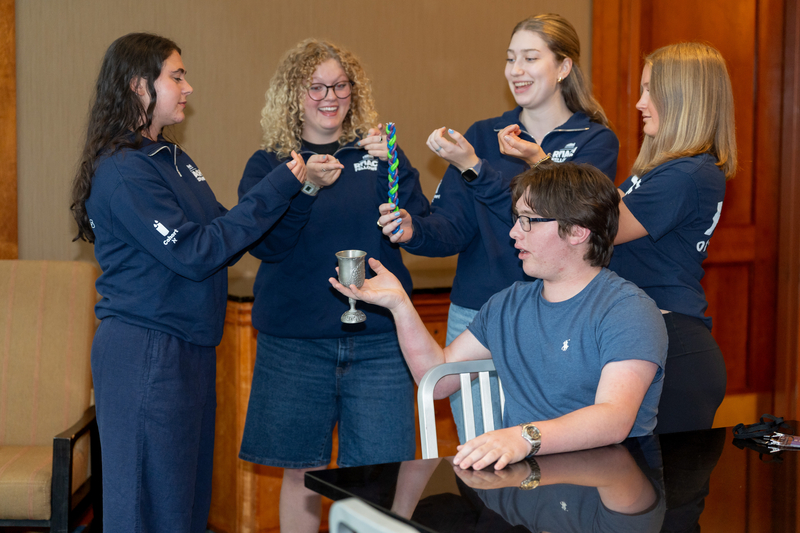
That simple moment of connection reflected one of the retreat’s central themes: belonging. We discussed four steps to creating belonging — being noticed, named, known, and needed — and strategies for helping people feel like they belong even when they’re completely new to a space.
The Shabbaton also gave us a chance to experience those steps ourselves. We were noticed when we entered the space and named as we met one another. We became known in our smaller groups, and we were needed when each of us took responsibility for making the Shabbaton what it was.
I joined the fellowship because I wanted to connect with students at other universities, learn how to lead in community, and, very practically, lead Shabbat services. I came in with limited experience leading Shabbat, and the fellowship pushed me to rethink what that leadership can look like.
At our first Shabbaton in February, we asked ourselves: How do we make a Shabbat weekend feel personal and enlightening for each participant? That question led to a deep discussion of pluralism and our next question: We each pray differently, so how do we create an experience where everyone feels welcome and at peace?
This Shabbaton focused on finding our own answers to those questions and helping us identify how we would take those learnings back to campus. One conversation that was particularly meaningful to me centered on the meaning of Shabbat, the unique needs of students in our Hillel communities, and how we can use techniques to increase engagement on our campuses. One example is implementing a simple seating arrangement for a Shabbat dinner, where students are all able to participate in enlightening conversation and laughter.
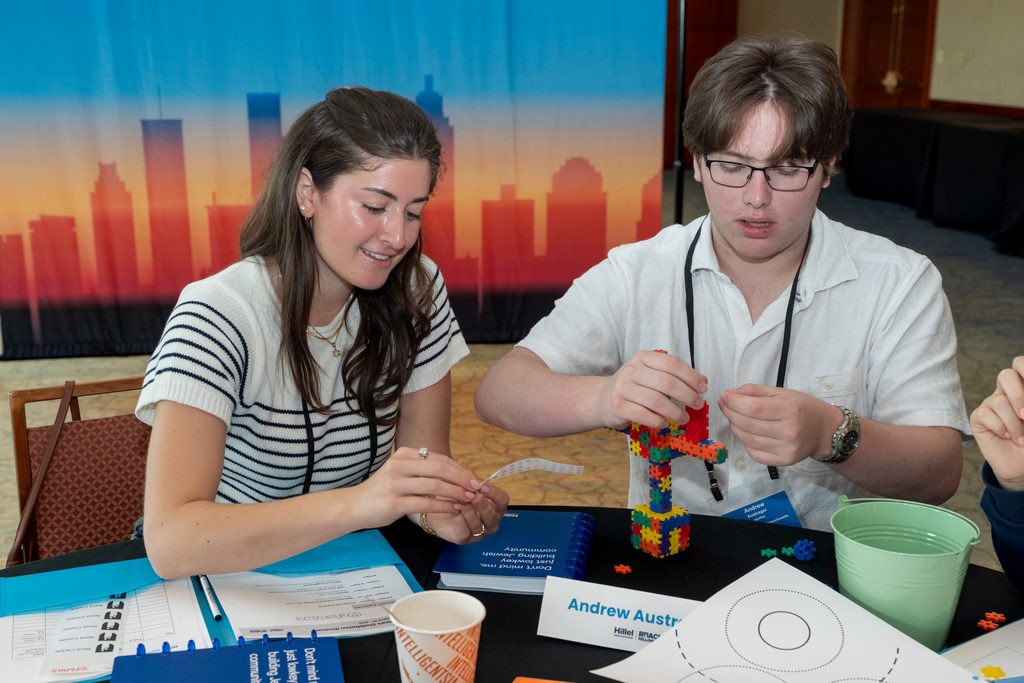
As I head back to UMass this month, one lesson has stuck with me most: Everyone brings their own experiences and religious practices, and it’s our sacred responsibility as a community and as student leaders to embrace and celebrate those differences.
I’m also taking back something I learned during a two-hour improv workshop on the final day, featuring Chicago’s famed comedy institution The Second City. In one activity, we stood in a circle while the hosts jumped around asking each person a question. No matter the answer, everyone cheered. It didn’t matter how words were phrased or how quickly they came. No one judged a bad answer or a slow response. There was simply applause for participating.
In a space where someone may be nervous to join in, sometimes what matters most is acknowledging that they showed up and supporting them when they step forward.
I’m grateful to the staff at Hillel International and the Ruach Fellowship for creating this experience. As a member of Cohort Aleph, I’m excited to see where my journey in understanding Jewish leadership goes next — embracing my role in a cohort of students who have the opportunity to discover what Shabbat means to them, then bring that meaning back to their college communities.